A kitchen splashback has a tough job. It sits behind heat, steam, oil, sauce splatters, and constant wipe-downs, yet it also takes up prime visual space at eye level. That is why choosing the best tiles for kitchen splashbacks is never just about picking a pretty finish. The right tile needs to balance style, cleanability, durability, and the overall mood you want your kitchen to carry.
In premium kitchens, the splashback often becomes the detail that pulls the whole scheme together. It can sharpen a minimal palette, soften a hard-edged joinery design, or bring texture and character into a room that risks feeling too flat. The best choice depends on how you cook, how much maintenance you are willing to take on, and whether you want your kitchen to feel quiet and architectural or expressive and layered.
What makes the best tiles for kitchen splashbacks?
Not every beautiful tile is ideal for a kitchen wall. Splashbacks may not deal with foot traffic, but they do face heat, moisture, staining, and frequent cleaning. In practical terms, the best tiles are those that hold their finish well, resist marks, and are easy to maintain without losing their visual appeal.
Surface texture matters more than many people expect. A deeply textured tile can look stunning under natural light, but if it sits directly behind a cooktop, grease can settle into every ridge. Likewise, highly porous materials may suit a low-use prep area, but they are less forgiving in busy family kitchens. The smartest selections combine refined design with everyday performance.
Tile size and grout lines also influence the result. Larger formats create a cleaner, more expansive look with less grout to clean. Smaller tiles and mosaics introduce detail and movement, but they usually require more upkeep. Neither approach is better across the board. It depends on the style of the kitchen and the level of maintenance you consider acceptable.
Porcelain tiles: the premium all-rounder
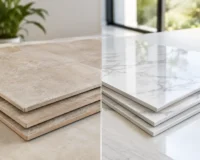
If you want the most versatile answer to the question of the best tiles for kitchen splashbacks, porcelain is usually at the top of the list. It is dense, durable, and less porous than many other materials, which makes it an excellent choice for kitchens that see real daily use.
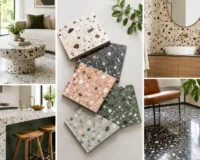
Porcelain also delivers exceptional design range. It can replicate natural stone, concrete, terrazzo, or even handmade finishes while offering a more controlled and lower-maintenance surface. That makes it especially appealing for homeowners and designers who want a luxurious aesthetic without the extra care requirements of more delicate materials.
Large-format porcelain is particularly strong in contemporary kitchens. It creates a sleek, uninterrupted backdrop and gives the room a tailored, elevated finish. If your cabinetry is already detailed or your countertop has bold movement, a porcelain splashback can provide balance without looking plain.
Ceramic tiles: classic, versatile, and approachable
Ceramic remains a popular splashback material for good reason. It is practical, widely available in beautiful finishes, and often ideal for decorative layouts. In kitchens where the goal is warmth, character, or a more handcrafted look, ceramic can be the perfect fit.
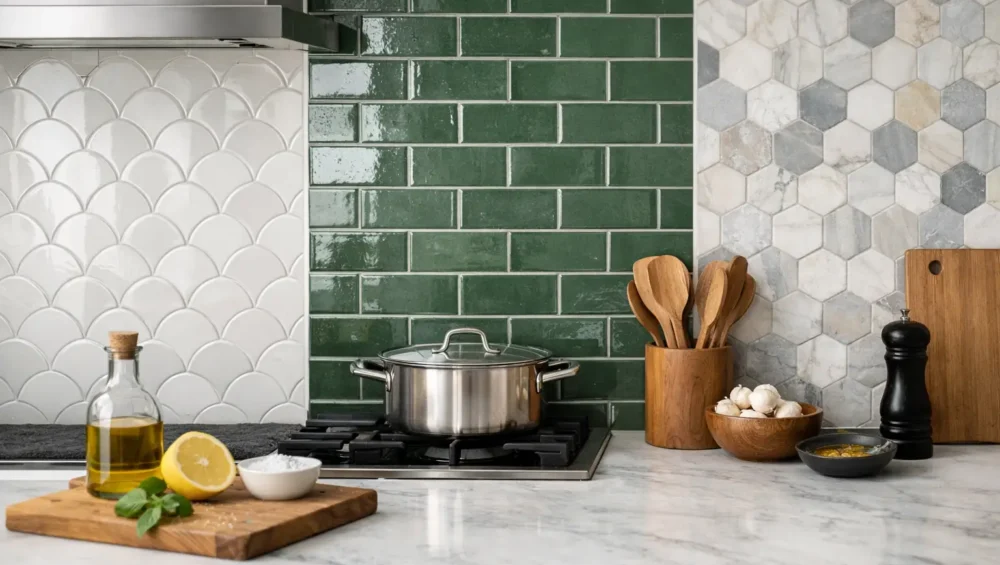
Gloss ceramic tiles are especially effective because they reflect light and wipe clean with ease. This is one reason subway tiles have remained so popular. They are timeless, adaptable, and can shift style depending on color, grout choice, and layout. A stacked installation feels crisp and modern, while a brick pattern leans more traditional.
That said, ceramic is not always as hard-wearing as porcelain. For a wall application, this is rarely a deal-breaker, but it is worth noting if you want the most durable option available. In a high-end kitchen, ceramic works best when chosen with intention, not simply because it is familiar.
Natural stone tiles: beautiful, but not carefree
There is no denying the appeal of natural stone. Marble, travertine, and limestone bring depth, variation, and a sense of permanence that manufactured surfaces often try to imitate. A stone splashback can make a kitchen feel richly layered and unmistakably premium.
The trade-off is maintenance. Natural stone is porous to varying degrees, and some varieties are more sensitive to staining, etching, or strong cleaners. In a kitchen used heavily for cooking, this matters. A marble mosaic behind a range may look extraordinary, but it asks more of the homeowner than a porcelain alternative would.
This does not mean stone should be avoided. It simply means it suits buyers who value its natural elegance and are comfortable with the care that comes with it. In lower-splash zones, or in kitchens where the backsplash is more decorative than hard-working, stone can be a compelling choice.
Mosaic tiles: detail and texture in smaller doses
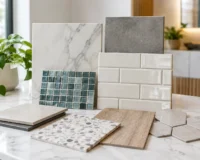
Mosaic tiles bring intricacy that larger formats cannot. They are ideal when you want a splashback to feel like a feature rather than a background. Glass-look mosaics, stone mosaics, and porcelain mosaics can all add visual rhythm, especially in kitchens with simple cabinetry and restrained materials elsewhere.
Because mosaics involve more grout joints, they are generally more labor-intensive to clean and maintain. This is the main trade-off. In a compact area such as a coffee station, niche wall, or feature zone, that may be completely worth it. Across a full cooking wall, it is a decision to weigh carefully.
For premium interiors, mosaics tend to work best when the palette is controlled. Sophisticated neutrals, soft veining, or tonal variation often feel more enduring than high-contrast novelty patterns. The goal is texture with restraint.
Zellige and handmade-look tiles: character with movement
For designers and homeowners drawn to artisanal finishes, zellige and handmade-look tiles offer something distinct. Their imperfect surfaces catch light beautifully and create subtle variation across the wall. This can make even a simple white or sand-toned splashback feel layered and luxurious.
These tiles are especially effective in kitchens that aim for softness and authenticity rather than strict uniformity. They pair well with timber, warm metals, natural stone countertops, and muted joinery colors. The overall effect feels curated rather than overly polished.
The consideration here is again practicality. Uneven surfaces and varied edges can mean more texture to clean and a less exact installation line. For many clients, that is part of the appeal. But if you want a very crisp, minimal kitchen, a flatter porcelain or ceramic tile may be the stronger match.
How to choose the right splashback tile for your kitchen
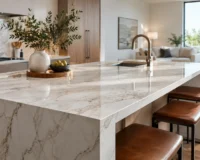
The most successful splashbacks are chosen in context. Start with the countertop and cabinetry, because those fixed surfaces usually drive the visual direction of the room. If your countertop has heavy veining or movement, a quieter splashback often creates a more refined result. If your kitchen materials are simple and understated, the tile can carry more personality.
Think carefully about finish. Gloss surfaces bounce light and are often easier to wipe down, while matte finishes can feel softer and more architectural. Neither is universally better. A glossy tile can brighten a darker kitchen, while a matte tile may better suit a calm, contemporary scheme.
Color should be considered beyond the sample board. White tiles can range from cool and stark to creamy and soft. Greige, taupe, olive, charcoal, and warm stone tones can all add sophistication without overpowering the space. In premium kitchens, subtlety often ages better than trend-led color choices.
It is also worth thinking about how far the splashback should extend. A standard-height installation may be enough for some kitchens, but full-height splashbacks that run to the underside of upper cabinetry, shelving, or even the ceiling can feel far more custom. They also make the tile read as a stronger architectural feature.
The best tile styles by kitchen look
For a modern kitchen, large-format porcelain in stone, concrete, or soft solid tones creates a clean and elevated finish. For a classic kitchen, ceramic subway tiles, marble-look porcelain, or herringbone layouts offer timeless appeal. For a more organic or European-inspired kitchen, handmade-look tiles, zellige, and warm natural textures feel especially at home.
If your goal is broad resale appeal, neutrals remain the safest direction. If the kitchen is part of a design-led home where personality matters more than universal taste, bolder pattern, texture, or shape can be the right move. The best result is rarely the most dramatic option in isolation. It is the one that makes the entire room feel resolved.
A final thought on choosing well
The best kitchen splashbacks do more than protect the wall. They shape the atmosphere of the room, influence how polished the cabinetry feels, and often determine whether the kitchen looks simply finished or genuinely designed. Choose a tile that suits the way you live as much as the way you want the space to look, and you will end up with a surface that feels every bit as impressive in daily use as it does on installation day.