Natural stone has undeniable presence, but it also asks a lot of a space. It can require sealing, careful maintenance, and a bigger allowance for variation from piece to piece. That is exactly why stone look porcelain tiles have become a go-to choice for homeowners, designers, and builders who want the character of stone with a more practical finish for modern living.
The appeal is simple: you get the layered movement, soft mineral tones, and architectural feel of limestone, travertine, marble, slate, or basalt, paired with the strength and ease of porcelain. In projects where style needs to work just as hard as the surface itself, that combination is hard to ignore.
Why stone look porcelain tiles are in demand
Stone-inspired interiors continue to lead both residential and commercial design because they create a sense of permanence. They feel grounded, refined, and quietly luxurious. But while natural stone is beautiful, it is not always the most forgiving option in busy kitchens, family bathrooms, hospitality venues, or outdoor entertaining areas.
Stone look porcelain tiles answer that tension well. They offer the visual depth people want from natural materials while reducing many of the concerns that come with porosity, staining, and upkeep. For clients balancing aesthetics with performance, porcelain often delivers the more versatile specification.
That does not mean porcelain is a substitute in the cheap sense. Premium collections are now remarkably sophisticated, with high-definition graphics, tonal variation, textured finishes, and edge detailing that make the look feel elevated rather than imitated. The result is a surface that reads as design-led, not compromised.
What makes porcelain a smart alternative to stone
Porcelain is prized for durability, and that matters more than many buyers first realize. Floors do not just need to look beautiful on installation day. They need to keep that finish through foot traffic, moisture, dropped cookware, muddy shoes, and routine cleaning.
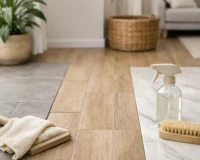
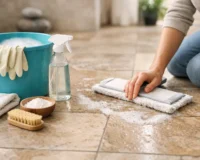
Because porcelain is dense and less porous than many natural stones, it is often easier to maintain in real homes and commercial settings. It generally resists water well, holds up to wear, and does not demand the same level of ongoing treatment. In spaces where convenience matters just as much as appearance, that is a major advantage.
There is also more control in the final design outcome. Natural stone is inherently variable, which can be part of its charm, but it can also make coordination harder across large surfaces. Stone look porcelain tiles give you a curated version of that variation. You still get movement and interest, but within a collection designed to feel cohesive.
The most popular stone looks and where they work best
Limestone-look porcelain
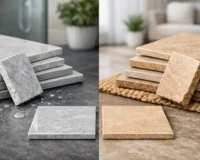
Limestone-inspired tiles are favored for calm, understated interiors. Their soft veining and powdery texture suit open-plan living areas, spa-like bathrooms, and contemporary kitchens where the goal is warmth without visual noise. They work especially well in larger formats, where fewer grout lines help the floor feel expansive and polished.
Travertine-look porcelain
Travertine has returned in a strong way, especially in spaces leaning into quiet luxury and organic modern design. A travertine-look porcelain tile can bring that gentle movement and classic warmth into bathrooms, entryways, and living rooms without the maintenance concerns associated with naturally porous stone. It is a strong choice when you want texture and character without sacrificing everyday practicality.
Marble-look porcelain
For a more formal or dramatic result, marble-look porcelain remains a standout. It adds instant elegance to powder rooms, feature walls, kitchens, and hospitality interiors. The key is choosing the right scale of veining. Some projects call for bold contrast, while others benefit from softer, more restrained patterning.
Slate and basalt-look porcelain
Darker stone references such as slate and basalt bring depth and a more architectural mood. These looks are often used in outdoor spaces, commercial entries, and contemporary bathrooms where a stronger visual statement is welcome. They can feel sleek and grounded at the same time, particularly when paired with matte finishes and minimalist detailing.
How to choose the right finish
The finish of a tile changes more than appearance. It shapes how the room feels, how light moves across the surface, and how practical the tile is under daily use.
Matte finishes are often the most versatile choice for stone-inspired porcelain. They tend to feel more authentic, especially for limestone, travertine, and slate looks, and they are well suited to floors in bathrooms, kitchens, and high-traffic zones. They also create a softer, more natural effect than highly polished surfaces.
Textured finishes add another layer of realism and can be especially useful outdoors or in wet areas where slip resistance matters. If continuity from indoor to outdoor is part of the design plan, choosing coordinating interior and exterior finishes within the same collection can create a more expansive, considered result.
Polished finishes have their place too, particularly in marble-inspired porcelain used on walls or in lower-traffic spaces where a more glamorous look is desired. The trade-off is that high shine can feel less natural for some stone styles and may show smudges or water marks more readily.
Size, layout, and grout matter more than people think
A premium tile can lose impact if the format or installation details are poorly matched to the space. This is where design decisions become just as important as the tile itself.
Larger format stone look porcelain tiles create a cleaner visual field and can make rooms feel more luxurious. They are especially effective in open living spaces and primary bathrooms, where a broad stone effect feels more architectural. Smaller formats can still be beautiful, but they create a busier surface because of the additional grout joints.
Layout also shapes the final impression. A straight lay often feels crisp and contemporary, while a staggered pattern can introduce a little more movement. In stone-inspired collections, restraint usually works best. Let the surface detail speak for itself rather than overcomplicating the installation.
Grout color should be chosen with equal care. A closely matched grout helps the tile read as a continuous surface, which is often ideal when mimicking natural stone. A contrasting grout can emphasize each tile edge, but that effect is not always desirable if the goal is a refined, monolithic finish.
Using stone look porcelain tiles by room
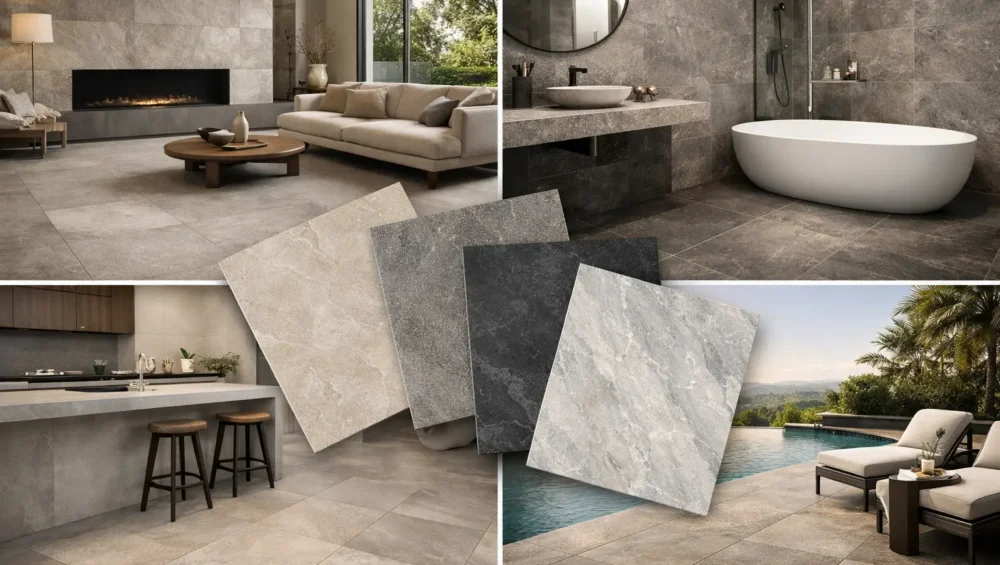
In kitchens, stone-inspired porcelain offers a strong balance of beauty and resilience. It can soften contemporary cabinetry, complement timber accents, and stand up to the spills and foot traffic that make kitchens one of the hardest-working rooms in the home.
In bathrooms, the material delivers a spa-like feel while remaining practical in wet conditions. Soft limestone and travertine looks are especially popular for creating a calm, elevated palette. Used across both floors and walls, they can make the room feel more cohesive and custom.
For outdoor areas, porcelain is compelling because it combines style with durability. Stone-look pavers and exterior-grade porcelain can bring a natural, high-end finish to patios, pool surrounds, and garden zones while being easier to maintain than many traditional stone options. The key is confirming the correct rating and slip resistance for the application.
In commercial settings, the appeal is equally strong. Retail spaces, hospitality venues, and multi-residential projects often need a surface that feels premium but performs under pressure. Stone look porcelain tiles can deliver that upscale visual language while helping simplify long-term maintenance.
What to watch before you buy
Not every stone-look tile is created equal. The best collections have convincing graphics, balanced variation, and finishes that genuinely reflect the stone they are referencing. Lower-quality options can look repetitive or flat once installed across a larger area.
It is also worth considering the amount of variation you want. Some buyers love a consistent, controlled appearance. Others want stronger movement and a more organic mix. Neither is wrong, but the choice should support the style of the room and the scale of the installation.
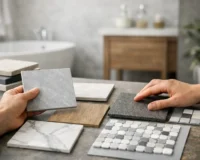
Sampling is one of the smartest steps in the process. A tile may look warm online and cooler in your home, or appear subtly textured in a showroom and more pronounced under direct natural light. Seeing the surface in person makes specification far more confident. At Mecca Tiles, that curated selection process is part of what helps premium projects come together with more clarity and less guesswork.
The most successful spaces are rarely built on trend alone. They work because the materials are chosen with both vision and realism in mind. If you want a surface that captures the elegance of natural stone while fitting the pace of everyday life, porcelain is a compelling place to start.