A floor can make a beautifully planned room feel considered, or make it feel compromised. When weighing ceramic versus porcelain flooring, the distinction is more than a showroom label. Both offer exceptional design range and lasting value, but their composition, performance, and ideal applications are different enough to shape the final result.
For a quiet powder room, a statement kitchen backsplash-to-floor scheme, or a hard-working entry, ceramic may be exactly right. For a busy family kitchen, a wet bathroom, or a polished outdoor entertaining space, porcelain often brings an extra layer of reassurance. The best choice is the one that suits the room, the installation conditions, and the look you want to live with.
Ceramic Versus Porcelain Flooring: The Core Difference
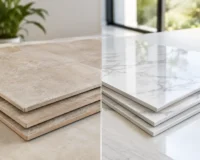
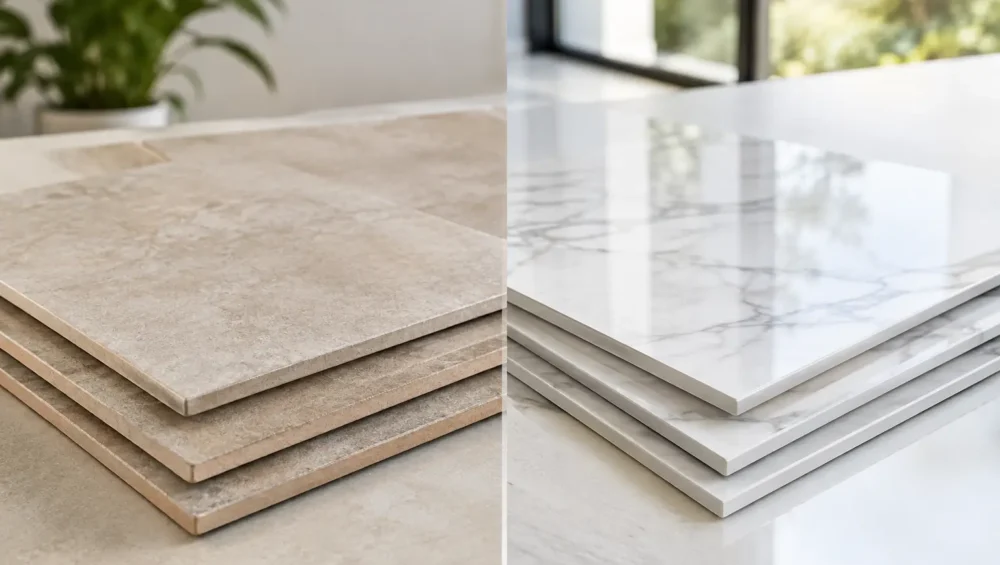
Ceramic and porcelain are both kiln-fired clay tiles, but porcelain is made with finer clay and fired at a higher temperature. This creates a denser body with very low water absorption. In practical terms, porcelain is generally harder, less porous, and better equipped for moisture, temperature shifts, and heavy foot traffic.
Ceramic tile has a slightly more open body and may be glazed to achieve its finished color, pattern, or sheen. It is still a durable flooring material for many interiors, particularly in residential spaces with normal daily use. Its relative ease of cutting can also make it a practical choice for rooms with detailed layouts, niches, or plenty of perimeter cuts.
Neither material is automatically the superior design choice. Premium ceramic can deliver rich glaze variation, handcrafted character, and dimensional finishes that porcelain is not always intended to imitate. Porcelain, meanwhile, excels at refined stone looks, large-format formats, concrete effects, and timber-look planks that perform beautifully in demanding settings.
Where Porcelain Flooring Has the Advantage
Porcelain is often the preferred choice where a floor must work hard without losing its finish. Its low porosity makes it particularly well suited to bathrooms, laundry rooms, mudrooms, kitchens, and other areas exposed to spills or regular moisture. It is also a natural fit for commercial interiors, entries, and open-plan living zones with high foot traffic.
For outdoor projects, porcelain offers a compelling combination of durability and design continuity. A slip-resistant porcelain paver or tile can extend the visual language of an interior living area onto a patio, balcony, or pool surround. Choose a product specifically rated for exterior use, and match the surface grip to the location. A beautiful smooth tile is not the right finish for every wet or uncovered area.
Through-body porcelain can be especially appealing for busy spaces. Its color and pattern run through the tile body rather than sitting only at the surface, so minor chips can be less noticeable. That said, a carefully selected glazed porcelain tile is also an excellent performer and opens up a wider range of decorative looks.
Large-format porcelain is another reason designers turn to the material. Fewer grout joints create a more expansive, composed appearance, whether the goal is a pale limestone-inspired floor or a dramatic charcoal concrete finish. Large tiles do require a suitably flat subfloor and an experienced installer, so the scale should be planned early rather than selected as an afterthought.
When Ceramic Is the Better Design Decision
Ceramic flooring shines in spaces where visual texture and decorative expression are central to the brief. Think intimate bathrooms, powder rooms, bedrooms, low-traffic living areas, and feature zones where a distinctive glazed finish can become part of the architecture.
The appeal often lies in the surface. Ceramic can have gentle undulation, a crackle glaze, a handcrafted edge, or tonal movement that brings warmth to a contemporary room. A small-format ceramic floor can also introduce rhythm and personality, especially when paired with a simple wall tile or restrained joinery.
Budget can be another factor. Ceramic is frequently more accessible than porcelain, though the actual price depends on format, finish, country of origin, and design complexity. Lower material cost does not mean lower impact. A thoughtfully chosen ceramic tile can look remarkably elevated, particularly when the grout color, layout, and surrounding finishes are considered together.
Ceramic is best reserved for applications within the manufacturer’s recommendations. In a calm residential room, it can be an inspired and enduring choice. In a high-traffic foyer shared by pets, children, and outdoor shoes, porcelain may offer greater long-term confidence.
Durability Is More Than Hardness
It is tempting to treat durability as a simple ceramic-versus-porcelain question, but the finish matters just as much as the material. A polished porcelain tile may show water marks and fine surface scratches more readily than a matte or textured alternative. A light grout can look fresh and architectural, yet demand more maintenance in an entry or kitchen.
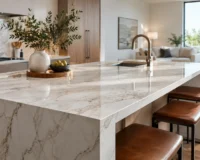
Consider how the room is actually used. A sunny living room may benefit from a matte finish that softens glare. A compact bathroom can feel larger with a lighter tile and restrained grout joint. For a busy kitchen, a mid-tone stone-look porcelain with gentle pattern variation can be more forgiving of crumbs, splashes, and everyday movement than a uniform dark floor.
Tile ratings and technical specifications matter, particularly for commercial spaces and exterior applications. Ask about slip resistance, frost resistance where relevant, water absorption, and suitability for the intended installation. A premium surface should not only look right on a sample board – it should be specified to perform in its setting.
Style, Format, and Grout Change the Final Look
The choice between ceramic and porcelain establishes the foundation, but format creates the mood. Large porcelain slabs or oversized tiles create a quiet, architectural surface with minimal grout interruption. Timber-look porcelain planks bring warmth to kitchens and living areas while avoiding the maintenance concerns of natural wood in wet zones.
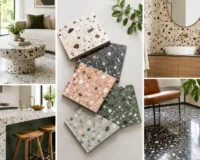
Smaller ceramic formats can feel more expressive. A square tile laid on the diagonal brings a traditional note; a slim rectangle in a stacked pattern feels clean and contemporary; a mosaic can add detail without overwhelming a compact room. Patterned ceramic floors can anchor a bathroom or laundry with a boutique-hotel sensibility, especially when the rest of the palette remains calm.
Grout deserves the same attention as the tile. Matching grout creates a continuous, tailored effect. Contrasting grout highlights geometry and makes each tile part of the composition. For floors, practical grout shades with a little depth are often easier to maintain than stark white, particularly near exterior doors and cooking areas.
Installation and Maintenance Considerations
Porcelain’s density is a performance benefit, but it can be more demanding to cut and install. Large-format porcelain, rectified edges, and intricate patterns call for an installer experienced with the material. Correct substrate preparation, suitable adhesive, movement joints, and leveling are essential to a floor that remains beautiful over time.
Ceramic is generally easier to cut, but installation quality is no less important. Uneven tiles, lippage, poorly aligned patterns, or unsuitable grout can diminish even the most luxurious selection. Before ordering, confirm the tile’s recommended joint width, shade variation, lead time, and whether extra material is needed for cuts, future repairs, and pattern matching.
Both ceramic and porcelain are straightforward to maintain. Regular sweeping or vacuuming removes grit that can dull any surface over time, while a pH-neutral cleaner is usually all that is needed for routine washing. Avoid harsh chemicals unless the product guidance specifically allows them. Grout may need periodic cleaning and sealing depending on its type and location.
How to Choose With Confidence
Start with the room rather than the trend. If moisture, heavy traffic, outdoor exposure, or a large continuous floor is part of the brief, begin your search with porcelain. If the project calls for tactile glazing, artisanal variation, or decorative character in a lower-impact interior space, ceramic may offer the more compelling result.
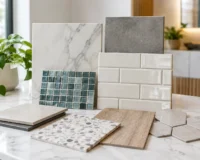
Then look at samples where they will be used. Move them between daylight and artificial light, place them beside cabinetry or paint, and consider them at floor level rather than only in your hand. A premium tile deserves to be experienced in context. Mecca Tiles makes that process easier with curated surface options designed to bring both performance and visual distinction to the spaces that matter most.
Choose the floor that supports the way the room will be lived in, not simply the one that looks best under showroom lighting. When material, finish, format, and installation are aligned, either ceramic or porcelain can transform a functional surface into a lasting part of the home.