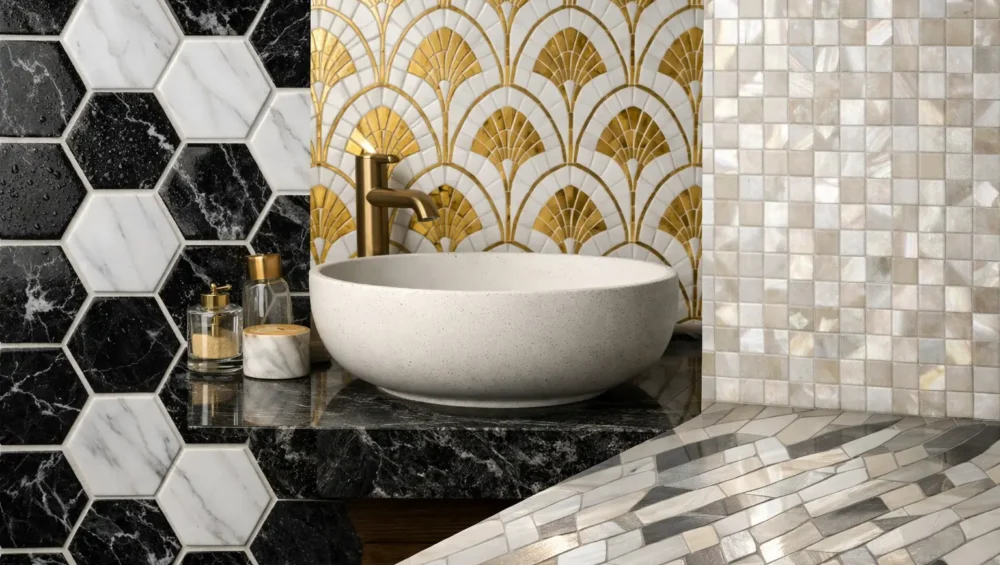
A well-chosen mosaic does more than cover a surface. It catches light, adds movement, and gives a room its defining detail. Premium mosaic tiles make that effect feel intentional, whether they are used for a quiet shower niche, a dramatic kitchen backsplash, or an entire pool that shifts in color beneath the water.
The difference is visible up close. Refined materials, carefully considered finishes, and thoughtful color variation create a surface with depth rather than repetition. For homeowners, designers, and builders, mosaic is an opportunity to introduce luxury at a human scale – one small piece at a time.
Why Premium Mosaic Tiles Change a Room
Mosaic tiles have an uncommon ability to work as both a backdrop and a focal point. Their smaller format creates more grout lines, which adds texture and rhythm to a wall or floor. In a neutral bathroom, a soft stone mosaic can bring warmth without competing with the vanity or fixtures. In a kitchen, glossy glass or ceramic mosaics can give a simple palette a sharper, more polished finish.
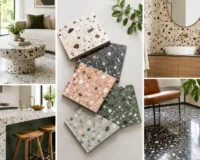
Premium collections distinguish themselves through material quality and visual nuance. Natural stone offers veining and tonal shifts that cannot be duplicated exactly. Porcelain provides exceptional consistency and durability, often with convincing stone, terrazzo, or handmade-inspired looks. Glass can introduce luminosity, while metal accents add a tailored edge to contemporary spaces.
This is not simply about choosing the most decorative option. A successful mosaic supports the room’s wider design story. It may echo the veins of a porcelain slab, soften the clean lines of a modern kitchen, or connect an indoor bathroom to an outdoor pool area through a shared palette.
Start With the Surface and Setting
The right mosaic begins with where it will be installed. A tile that performs beautifully on a powder-room feature wall may not be appropriate for a wet shower floor or a sun-exposed pool interior. Material, finish, grout, and installation all need to suit the setting.
Bathrooms and shower areas
Mosaics are especially effective in bathrooms because they conform easily to slopes, corners, niches, and curved surfaces. For shower floors, the additional grout joints can also improve underfoot grip. Matte porcelain mosaics are often a practical choice for wet areas, offering a refined look with lower maintenance demands than some natural stones.
Natural stone brings unmistakable elegance to bathroom walls and vanity surrounds, but it needs a realistic care plan. Depending on the stone and finish, sealing may be required, and acidic or harsh cleaners should be avoided. If the goal is the look of stone with minimal upkeep, premium porcelain mosaics can be the stronger fit.
Kitchen backsplashes
A backsplash is a high-impact place to use a more expressive mosaic. It occupies a relatively small area, allowing you to introduce rich color, a hand-finished appearance, or a detailed pattern without overwhelming the room. Glossy finishes bounce light around darker kitchens, while honed stone or matte ceramic can bring a quieter, more architectural quality.
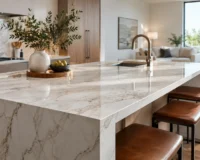
Consider the visual relationship between the mosaic and countertop before committing. A heavily veined slab usually benefits from a simpler mosaic in a related tone. If the countertop is plain and restrained, the backsplash can take on more character through shape, texture, or color variation.
Pools and outdoor areas
Pool mosaics must be selected for more than appearance. They should be rated for submerged applications and suited to changing temperatures, chemicals, and sun exposure. Glass and porcelain are popular choices because they deliver color clarity and long-term performance when properly specified and installed.
Outdoor feature walls and entertaining areas also need finishes that can handle the environment. Slip resistance matters on floors near water, while UV stability and moisture resistance matter for exposed walls. A design-led selection should still meet the practical needs of the site.
Choose a Material That Matches Your Priorities
Every mosaic material has a different visual language. The best choice depends on whether your priority is natural character, easy maintenance, reflective light, or a precise contemporary finish.
Porcelain mosaic tiles are among the most versatile options. They are durable, low-porosity, and available in an extensive range of colors, shapes, and surface effects. They are well suited to busy family bathrooms, kitchen floors, laundries, and commercial interiors where performance matters as much as presentation.
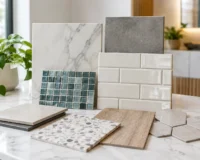
Natural stone mosaics, including marble, travertine, and limestone, bring depth that feels inherently luxurious. Their variation is part of their appeal, but it also means samples are essential. A sample shows the general direction of a collection, not every vein or shade that will appear across the finished installation. This is a feature of natural material, not a flaw.
Glass mosaics create a luminous finish that is difficult to achieve with other materials. They are especially striking in pools, shower walls, and decorative bands where light can move across the surface. Some glass styles can be more demanding during installation, so experienced preparation and the correct adhesive are key to a clean result.
Ceramic mosaics often offer a handcrafted, expressive look, with slight variation in glaze and edges that gives a space warmth. They are a strong choice for feature walls and backsplashes. For floors or high-moisture areas, confirm the individual product’s suitability rather than assuming every ceramic mosaic performs the same way.
Shape, Scale, and Color Set the Mood
The format of a mosaic can change the mood of a room as much as the material itself. Penny rounds feel playful and timeless. Kit Kat or finger mosaics create vertical or horizontal movement, depending on orientation. Hexagons offer geometric interest, while herringbone and basketweave patterns bring a more decorative, tailored finish.
Scale deserves attention. Tiny mosaics can feel intricate and luxurious, particularly in a shower niche or pool. Larger mosaic pieces may read as calmer from a distance and reduce the amount of grout visible across the surface. In compact rooms, a smaller-format tile can add character, but an overly busy pattern may make the space feel crowded. It depends on the amount of natural light, the size of the installation, and the surrounding materials.
Color should also be viewed in context. White mosaics are not all the same: some lean warm and creamy, others look crisp blue-white, and some contain subtle gray movement. Similarly, a green mosaic may appear muted in a showroom but deepen dramatically against warm timber or brass fixtures. Order samples and view them beside cabinetry, paint, stone, and hardware at different times of day.
The Details That Make Mosaic Look Expensive
Premium mosaic tiles deserve careful installation. Because mosaics contain many individual pieces, small alignment issues can become more noticeable than they would with large-format tile. A skilled installer will prepare the substrate carefully, use the right adhesive and trowel technique, and check that sheet-mounted mosaics are aligned without visible seams.
Grout is part of the design, not an afterthought. A closely matched grout lets the tile shape and material take center stage. A contrasting grout emphasizes the pattern and creates a more graphic effect. On light-colored surfaces, consider how grout will look after daily use, particularly in showers, kitchens, and entry areas. A mid-tone grout can be a practical compromise between a crisp visual and ongoing maintenance.
Edge finishing matters too. Where a mosaic ends, choose a solution that looks deliberate: a coordinating trim, a stone pencil edge, a neatly framed field tile, or a carefully finished return. These small transitions are often what separate a good installation from a truly polished one.
Design With Confidence Before You Buy
Mosaic is tactile and light-responsive, which makes sampling particularly valuable. Hold a sample against the intended wall or floor. Test it beside your other finishes. In wet spaces, picture it with grout lines rather than as an isolated sheet. This extra step can prevent a beautiful tile from becoming the wrong tile for the room.
At Mecca Tiles, curated premium mosaics make it easier to move from a design idea to a considered selection. Begin with the room, narrow the material and finish based on performance, then let shape and color deliver the personality. The most memorable spaces rarely rely on more decoration – they choose one exceptional surface and let it do its work.