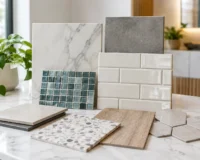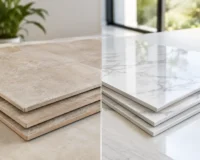
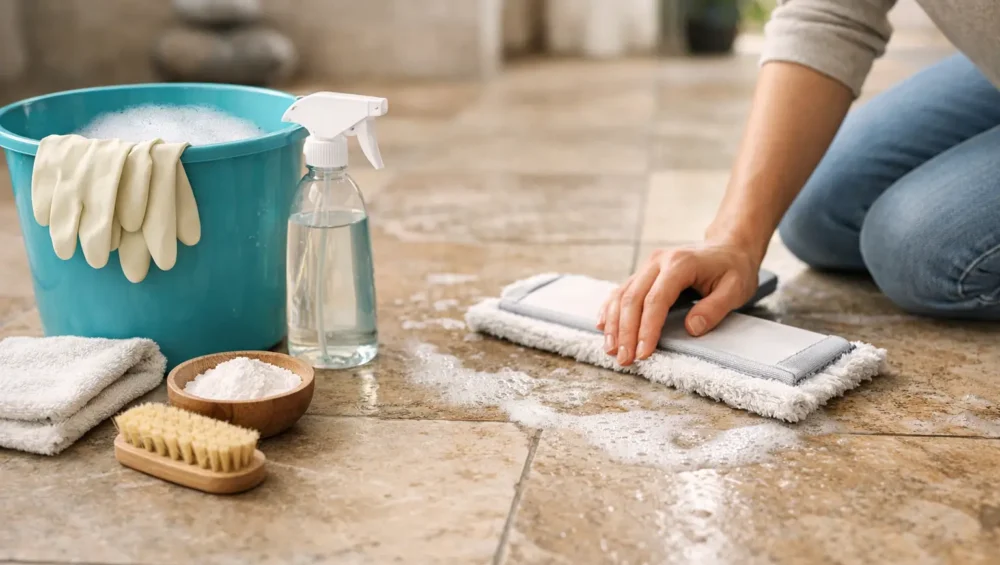
Natural stone brings depth, movement, and a distinctly considered finish to a room. But knowing how to clean natural stone tiles is what keeps marble luminous, travertine warm, slate richly textured, and limestone beautifully understated long after installation. The rule is simple: treat stone as a natural material, not as a hard, indestructible surface.
Unlike porcelain or ceramic, natural stone can be porous and chemically sensitive. A cleaning shortcut that works on a kitchen countertop or standard floor tile can etch, dull, or stain stone. With a gentle routine and the right response to spills, however, natural stone remains one of the most enduring luxury surfaces in a home or commercial setting.
Why Natural Stone Needs Different Care
Natural stone tiles are formed by nature, so each material has its own mineral composition, density, and level of porosity. Marble, limestone, and travertine are calcareous stones, meaning they contain calcium carbonate. Acidic products can react with that calcium and leave a pale, dull mark called etching. Granite, slate, and quartzite are generally more acid resistant, but they can still be damaged by harsh chemicals, residue buildup, and abrasive tools.
Finish matters, too. A polished marble floor can show etching and streaks more readily than honed marble, while cleft slate has a textured surface that can hold dust if it is not swept thoroughly. Tumbled travertine may have natural pits and filled areas that need careful cleaning. The most successful maintenance plan is always tailored to the particular stone, finish, and location.
What to Use to Clean Natural Stone Tiles
For routine cleaning, less is more. Begin by removing loose grit, then clean with warm water and a pH-neutral cleaner specifically made for natural stone. This approach lifts everyday soil without stripping sealer or leaving a cloudy film over the surface.
Keep these essentials on hand:
- A soft broom, microfiber dust mop, or vacuum with a hard-floor setting
- A pH-neutral natural stone cleaner
- A clean microfiber mop or soft cloth
- Warm water and a separate bucket for rinsing
- White absorbent cloths or paper towels for immediate spill cleanup
Avoid vinegar, lemon juice, bleach, ammonia, bathroom cleaners, and most all-purpose sprays. They may sound effective, but acidic and highly alkaline formulas can change the surface of the stone itself. Powder cleansers, stiff scrubbing brushes, and scouring pads are equally risky, especially on honed or polished finishes.
Dish soap is not the ideal substitute for stone cleaner. A tiny amount may be acceptable for an occasional light wash, but regular use often leaves a film that attracts dirt and reduces the stone’s natural clarity.
How to Clean Natural Stone Tile Floors
Start by dry cleaning the floor. Sand, dirt, and crumbs act like fine abrasives underfoot, particularly in entryways, kitchens, and busy commercial spaces. Sweep or dust mop several times a week in high-traffic areas, and place quality mats at exterior doors to reduce the grit that reaches the tile.
Next, dilute a pH-neutral cleaner according to its instructions. Do not assume a stronger solution will produce a cleaner floor. Overconcentrated product is more likely to leave residue. Work in small sections with a well-wrung microfiber mop rather than soaking the floor. Excess water can settle into grout lines, open-textured stone, and natural fissures.
Rinse the mop regularly and refresh the water as it becomes cloudy. Once finished, allow the floor to air dry or buff it gently with a clean, dry microfiber cloth. This final step is especially worthwhile on polished marble, limestone, and dark slate, where water spots can distract from the finish.
Cleaning Natural Stone Walls, Showers, and Backsplashes
Vertical tile surfaces need the same pH-neutral approach, but moisture management becomes more important. Spray the cleaner onto a soft cloth or sponge instead of saturating the wall, then wipe and rinse with a second damp cloth. Dry the surface after cleaning.
In showers, use a squeegee after bathing to reduce soap residue and hard-water deposits. This small daily habit is often more effective than aggressive weekly scrubbing. If mineral deposits develop, do not reach for an acidic limescale remover. Use a stone-safe product designed for the purpose, and test it in an inconspicuous area first.
Treating Spills and Stains Without Guesswork
Spills should be blotted immediately, never wiped outward. Blotting contains the liquid; wiping spreads it across more stone and grout. Water, wine, coffee, cooking oil, cosmetics, and colored sauces all behave differently, so the correct treatment depends on what caused the mark.
An oily stain often darkens the stone and may require a stone-safe degreaser or poultice to draw the oil out. Organic stains from food, leaves, tea, or wine can sometimes be lifted with a suitable stone stain remover. Rust, ink, paint, and grout haze are more specialized problems. They may require professional assessment, particularly on light marble or limestone where an incorrect treatment can create permanent discoloration.
Etching is not technically a stain. It is physical surface damage caused by acid, and it can appear as a dull spot, ring, or splash mark. Cleaner will not remove it. Minor etching on some polished stones can be professionally refinished, while honed surfaces may need a different restoration method. If a mark appeared after contact with lemon, vinegar, wine, or a harsh cleaner, assume etching before trying more products.
Sealing Natural Stone: Helpful, Not Bulletproof
A penetrating sealer helps slow the absorption of liquids into porous stone and grout. It does not make the surface stainproof, prevent etching, or eliminate the need to clean spills promptly. Think of it as valuable protection that gives you more time to act, rather than an invisible shield.
Whether your tile needs sealing depends on the stone, its finish, the original installation system, and where it is used. Dense granite or some quartzite may need less frequent sealing than travertine, limestone, or unglazed slate. Kitchen floors, shower walls, outdoor entertaining areas, and commercial entries also face more moisture and contamination than a low-traffic interior wall.
A simple water test can indicate whether resealing may be due. Place a few drops of water on a clean, dry tile in an inconspicuous location. If the stone darkens quickly as it absorbs the water, consult your installer or stone supplier about an appropriate penetrating sealer. Do not apply sealer over dirt, soap film, or existing coating residue, as it can lock in a patchy appearance.
Common Mistakes That Dull Premium Stone
The most common mistake is treating natural stone like a generic tile surface. Vinegar-based cleaning advice is widespread, but it is unsuitable for marble, limestone, travertine, and many terrazzo surfaces. Steam cleaning can also be a poor choice if high heat or moisture affects sealers, adhesives, grout, or vulnerable stone finishes.
Another issue is neglecting the grout. Dirty grout can make a pristine stone floor look tired, yet aggressive grout cleaners can damage adjacent tile. Use a stone-safe grout cleaner and a soft brush only where needed. For deep discoloration, professional cleaning is usually the more elegant solution than repeated chemical treatments.
Finally, do not overlook furniture pads, entry mats, and prompt spill care. These quiet protective measures preserve the surface’s visual impact far better than a once-a-year rescue clean.
A Care Routine That Preserves the Finish
For most interior stone floors, dry dusting regularly and damp mopping when needed is enough. Kitchens and busy entrances may need attention weekly, while a formal powder room can require far less. Shower stone benefits from daily squeegeeing and a gentle weekly clean. Outdoor stone needs seasonal attention, with debris, organic matter, and standing water removed before they have time to stain or encourage mildew.
Before using any new cleaner, test it in a concealed corner and allow the area to dry fully. This is particularly wise for rare, highly veined, dark, or textured stone, where changes in sheen can be more visible. Keep records of the stone type, sealer used, and installer recommendations so future maintenance stays consistent.
Natural stone earns its place in exceptional interiors because it is never perfectly uniform. Its veins, fossils, tonal variation, and softened edges are part of the design. Care for those qualities with the same intention used to select the tile, and the surface will continue to bring character and quiet luxury to the space for years to come.