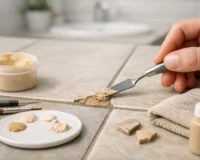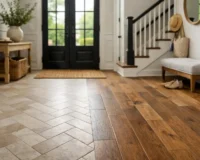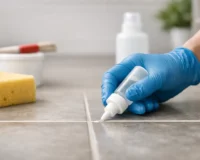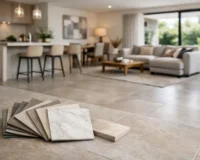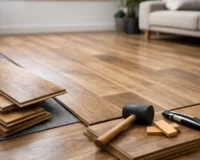
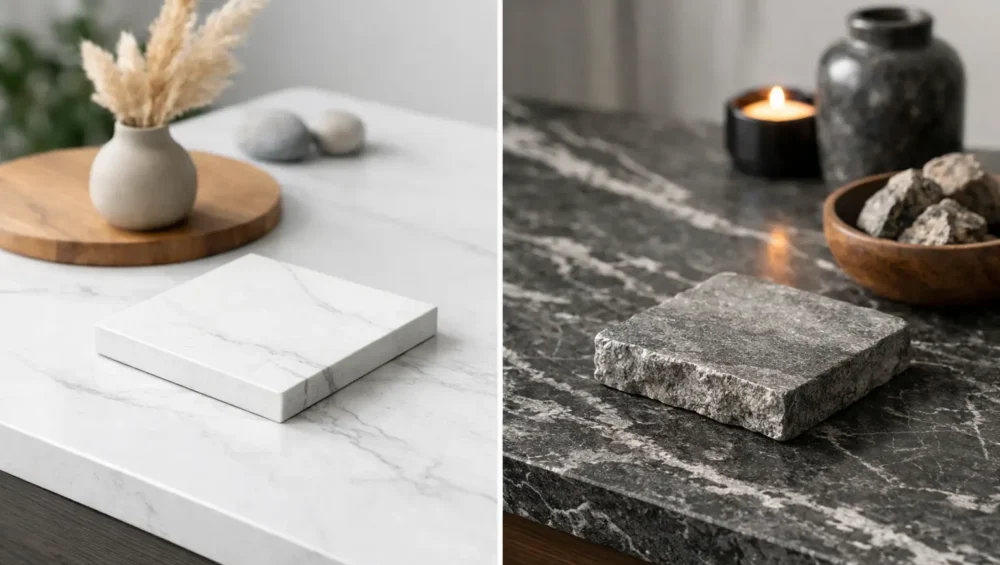
A dramatic kitchen island, a floor-to-ceiling shower wall, or a quiet limestone patio can change the entire character of a project. But when comparing porcelain slabs vs stone, the better surface is rarely the one with the most impressive showroom moment. It is the material that suits the room, the way it will be used, the desired level of maintenance, and the visual story you want the space to tell.
Both materials can deliver a premium finish. Porcelain slabs bring striking scale, technical performance, and controlled consistency. Natural stone offers depth, movement, and the unmistakable character of a material formed over time. The right choice comes down to what you want to protect, preserve, and experience every day.
Porcelain Slabs vs Stone: Start With the Surface Story
Porcelain slabs are large-format, fired surfaces designed to replicate natural stone, concrete, metal, timber, or create a refined solid color statement. Their expansive format allows for fewer grout lines across countertops, splashbacks, shower walls, feature walls, and flooring. This makes them particularly compelling in contemporary interiors where clean planes and visual continuity are central to the design.
Natural stone is inherently individual. Marble can bring expressive veining and formal elegance, while quartzite offers crystalline movement and impressive strength. Limestone and travertine create a softer, more organic atmosphere, and granite delivers a granular, durable presence. No two stone slabs are identical, which is precisely why designers and homeowners continue to choose them for one-of-a-kind spaces.
The distinction is not simply manufactured versus natural. It is controlled visual consistency versus natural variation. If your vision calls for a carefully repeated vein pattern across a large kitchen or commercial reception, porcelain can make that look easier to plan. If you want each surface to have its own markings, tonal shifts, and quiet imperfections, stone offers an authenticity that cannot be duplicated exactly.
Durability and Daily Performance
Porcelain slabs handle demanding routines
Porcelain is nonporous or extremely low-porosity, highly resistant to stains, and generally easy to maintain. In busy kitchens, it stands up well to splashes, cooking oils, and everyday cleaning. It is also resistant to UV fading, making many porcelain slab designs suitable for outdoor kitchens, facades, and entertaining areas where direct sunlight is part of the brief.
Its fired composition provides strong resistance to scratching and heat under normal residential use. Even so, a surface should never be treated as indestructible. Heavy impacts can chip an edge, especially around cutouts, and countertop fabrication requires experienced handling because large porcelain panels are comparatively thin and need correct support.
For bathrooms, porcelain slabs offer a polished answer to a common challenge: reducing grout joints without creating a high-maintenance surface. A large shower wall in a marble-look porcelain can feel luxurious while remaining straightforward to wipe down. Choose the finish carefully, however. A polished surface may be ideal for walls and feature areas, while a matte or structured finish is usually the more practical option for wet floors.
Stone rewards considered care
Natural stone is durable, but its performance depends on the specific material. Dense quartzite and granite can be excellent choices for hardworking countertops. Marble is prized for its elegance but is more vulnerable to etching from acidic foods and drinks. Limestone, travertine, and many marbles can absorb moisture and staining agents if not properly sealed and maintained.
This does not make stone unsuitable for a kitchen or bathroom. It simply means the owner needs to appreciate how the material will age. A honed marble counter may develop a gentle patina from cooking and entertaining. For some, that lived-in character is part of the appeal. For others, particularly in a high-use family kitchen or hospitality setting, it can become a source of frustration.
Sealing schedules vary by stone, finish, and location. Regular cleaning with pH-neutral products also matters. Avoid harsh chemicals and acidic cleaners, as they can damage the finish or weaken sealers. If a low-maintenance surface is non-negotiable, porcelain typically provides greater peace of mind.
Design Freedom, Veining, and Scale
The visual possibilities of porcelain have expanded well beyond basic tile. Premium porcelain slabs can feature layered veining, mineral-like depth, soft matte finishes, and dramatic bookmatched effects. They make it possible to carry one design from a kitchen countertop to a full-height backsplash, or from a vanity to shower walls, with a composed and cohesive result.
Porcelain is also a strong choice when a project needs consistency across several rooms. Because slabs are manufactured in controlled production runs, it is easier to achieve a harmonious look across a larger installation. There will still be variation between faces and batches, so reviewing the actual product is worthwhile, but the overall effect is more predictable than natural stone.
Stone is often chosen for the opposite reason. A dramatic marble slab can become the defining feature of a room, with veins that move naturally across an island or fireplace surround. The variation adds warmth and visual complexity that can balance minimalist cabinetry, streamlined metalwork, or architectural concrete.
For either material, slab selection is a design decision, not an afterthought. Review samples to understand the base color, texture, and finish, then inspect full slabs before fabrication where possible. This is especially important for strong-vein designs, as vein placement around corners, waterfall ends, sinks, and cooktops will shape the finished result.
Cost Is More Than the Price of the Slab
Material pricing is only one part of the investment. Large-format porcelain often requires specialist fabrication, careful transport, precision cutting, and proper substrate preparation. Stone also requires skilled fabrication, particularly when the design includes mitred edges, curved details, bookmatching, or complex cutouts.
A porcelain slab may offer savings over some premium natural stones, but that is not guaranteed. Highly detailed installation work can raise the final cost considerably. Conversely, a more accessible natural stone in a straightforward layout may be more attainable than expected.
When comparing quotes, look beyond the square-foot price. Confirm whether the scope includes templating, delivery, cutouts, edge profiles, sealing, installation, waste allowance, and removal of existing surfaces. A transparent quote creates a clearer comparison and helps protect the finish you have invested in.
Where Each Material Works Best
For a high-use kitchen, porcelain is often the practical favorite when stain resistance, easy cleaning, and consistent color are priorities. Quartzite or granite can be equally compelling when the project calls for genuine stone and the household is comfortable with basic care. Marble belongs in kitchens where beauty and patina are welcome parts of the experience rather than problems to prevent.
In bathrooms, both porcelain and stone can create an elevated retreat. Porcelain is especially useful for shower walls and wet zones because of its low-maintenance performance. Stone can bring exceptional warmth to vanity tops, feature walls, or lower-traffic powder rooms, provided the finish and sealing plan are appropriate.
For outdoor areas, porcelain has a distinct advantage in many climates due to its resistance to moisture, UV exposure, and staining. It is available in textured finishes that support safer movement around pools and entertaining spaces. Some natural stones are beautiful outdoors, particularly in patios and landscape settings, but the exact stone must be selected for its weather resistance, slip characteristics, and ability to handle freeze-thaw conditions where relevant.
Commercial projects need an even more specific assessment. Foot traffic, cleaning chemicals, food service, weather exposure, and accessibility requirements all influence the decision. Porcelain can be an intelligent specification for high-traffic floors, walls, and exterior applications. Stone may be reserved for signature counters, lobby features, and areas where natural materiality supports the brand experience.
The Choice Comes Down to How You Live
Choose porcelain slabs when you want expansive luxury with fewer grout lines, dependable performance, and minimal upkeep. Choose natural stone when the irreplaceable variation of a geological material matters more than uniformity and you are prepared to care for it accordingly.
A well-chosen surface should feel right long after the renovation dust has settled. Order samples, consider the light in the actual room, and ask how the finish will perform in your specific application. The most memorable spaces are not built around a trend alone – they are built around materials that look exceptional and live beautifully.