A limestone floor can make a room feel quietly extraordinary the moment you walk in. A porcelain tile with precise veining can deliver that same elevated look with far less maintenance. That is why the natural stone vs porcelain decision matters so much – the right surface does more than finish a space. It shapes how the space lives, wears, and feels for years.
For homeowners, designers, and builders working on premium interiors or outdoor areas, this choice is rarely just about appearance. It is about the balance between character and convenience, investment and upkeep, softness and strength. Both materials can look exceptional. The better option depends on where you are using it, how much maintenance you are comfortable with, and what kind of statement you want the space to make.
Natural stone vs porcelain: the real difference
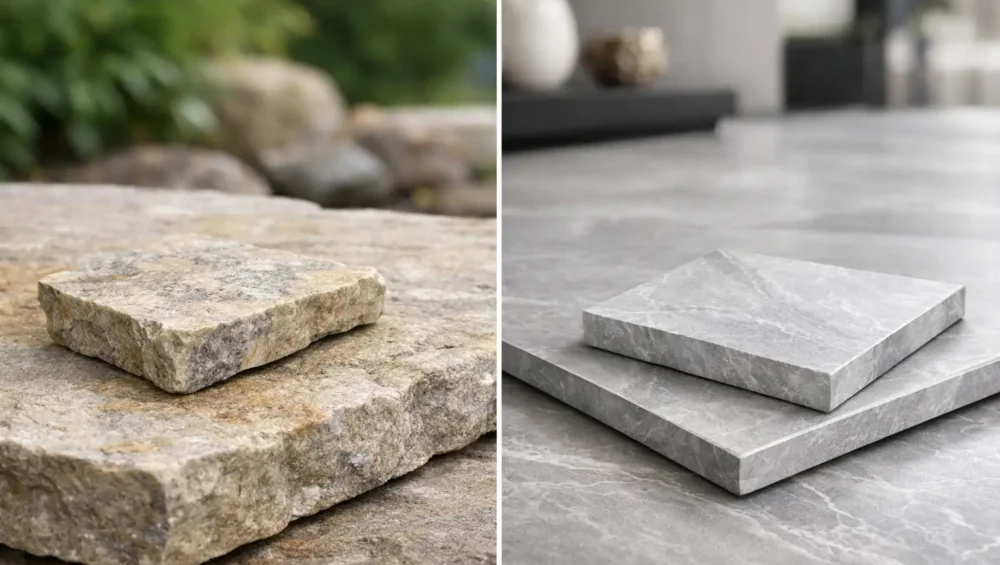
Natural stone is exactly what it sounds like – material cut from the earth, then finished into tile or slab form. Marble, travertine, limestone, slate, and granite each carry natural movement, tonal variation, and texture that cannot be replicated perfectly. Even within the same batch, every piece is slightly different. That variation is part of the appeal.
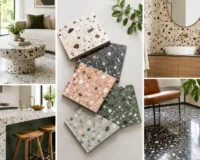
Porcelain is a manufactured tile fired at high temperatures to create a dense, hard-wearing surface. It can be designed to resemble marble, limestone, concrete, timber, terrazzo, or something more contemporary and graphic. Today’s premium porcelain is remarkably refined, with advanced printing and surface technology that deliver realism as well as consistency.
If you are drawn to one-of-a-kind beauty, natural stone has an emotional quality that is hard to match. If you want design flexibility with easier day-to-day performance, porcelain often has the edge.
The look and feel of each material
In design-led spaces, the difference often starts with atmosphere. Natural stone brings softness, depth, and a sense of permanence. Honed limestone feels understated and architectural. Veined marble feels luxurious and expressive. Travertine introduces warmth and a slightly organic rhythm that suits both classic and modern settings.
Porcelain offers greater control. If your project calls for a clean, uniform finish across a large floor plan, porcelain is easier to coordinate. If you love the look of stone but want fewer visual surprises, porcelain gives you a more predictable outcome. That can be especially useful in commercial spaces, open-plan homes, and projects where design consistency matters.
Texture also plays a role. Stone often has a tactile richness that reads as more natural underfoot. Porcelain can still feel sophisticated, but its character comes from precision rather than irregularity. Neither is inherently better. One feels crafted by nature, the other by design.
When natural stone makes the strongest statement
Natural stone tends to shine in spaces where materiality is the feature. Think entryways, powder rooms, luxury bathrooms, fireplace surrounds, and outdoor entertaining areas with a resort-like mood. It works particularly well when the goal is timeless elegance rather than trend-driven styling.
Because every tile is unique, stone creates movement that feels layered and authentic. That is a major reason designers continue to specify it for high-end residential and hospitality settings.
When porcelain is the smarter visual choice
Porcelain is ideal when you want a premium look with more control over tone, pattern, and finish. It is also well suited to large-format applications, minimalist interiors, and projects where a seamless visual flow is important. A marble-look porcelain can create a polished, luxurious finish in a primary bathroom without the care requirements of real marble.
For many clients, that combination of style and practicality is exactly the sweet spot.
Performance in everyday spaces
This is where natural stone vs porcelain becomes more than a design conversation. Kitchens, bathrooms, mudrooms, pool surrounds, and outdoor patios all place different demands on a surface.
Porcelain is generally more resistant to stains, moisture, scratching, and wear. Because it is non-porous or very close to it, it does not absorb water the way many stones can. That makes it especially appealing in wet zones and high-traffic areas. It is a reliable choice for busy family homes, hospitality settings, and commercial projects where performance cannot be compromised.
Natural stone can absolutely perform well, but it asks more of the owner. Many stone surfaces need sealing and ongoing care to protect against moisture, etching, and staining. Marble, for example, is beautiful but more vulnerable to acidic spills. Limestone and travertine can also be more sensitive than porcelain in active spaces.
That does not make stone impractical. It simply means the material should match the setting. In a powder room used occasionally, marble may feel completely worth it. In a heavily used kitchen with children and frequent entertaining, porcelain may be the more comfortable choice.
Maintenance and long-term upkeep
If low maintenance is high on your priority list, porcelain is usually the easier answer. Routine sweeping and mopping are often enough to keep it looking sharp. It does not typically require sealing, and it is less likely to show wear from daily life.
Natural stone asks for a more considered maintenance routine. Depending on the stone, sealing may be needed at installation and periodically afterward. Cleaners need to be stone-safe, and spills should be handled promptly. Some owners love this trade-off because they value the authenticity of the material. Others prefer a surface that demands very little.
There is also the matter of patina. Stone can age beautifully, but that aging may include soft wear, tonal shifts, or marks that become part of the look. In the right setting, that can feel elegant and lived-in. If you prefer a finish that stays closer to its original appearance, porcelain is often a better fit.
Cost and value
Price is not always as simple as natural stone being expensive and porcelain being affordable. Both categories span a wide range depending on design, size, finish, and installation complexity. That said, natural stone often comes with a higher total project cost because the material itself can be more expensive and installation may require additional expertise.
Porcelain tends to offer stronger cost efficiency, especially when you want the visual effect of a premium stone across larger areas. It can also reduce future maintenance costs, which matters over the life of the project.
Still, value is not just about the upfront number. For some clients, the distinctiveness of genuine stone is worth the investment. For others, porcelain delivers the smarter overall return because it balances luxury aesthetics with easier ownership.
Best uses by room
In bathrooms, both materials can work beautifully. Natural stone creates a spa-like atmosphere with real depth and softness, while porcelain offers easier care around water, soap, and daily use. For family bathrooms, porcelain is often the practical winner. For statement powder rooms or serene primary suites, stone can feel exceptional.
In kitchens, porcelain is usually the safer choice for floors and backsplashes because it resists spills and wear more easily. Stone can still be stunning, particularly in lower-impact areas, but it requires more vigilance.
For outdoor spaces, the answer depends on the specific product and climate exposure. Many natural stones bring an effortless Mediterranean or resort-inspired character outdoors, especially travertine and slate. Porcelain pavers, however, are increasingly popular for their durability, slip-resistant finishes, and low maintenance. In projects where clean lines and easy upkeep matter, porcelain performs beautifully.
In commercial settings, porcelain often stands out for durability, consistency, and ease of replacement. Natural stone can be breathtaking in boutique, hospitality, or luxury retail environments, but it should be selected with traffic levels and maintenance plans in mind.
How to choose with confidence
The best material is the one that fits both your design vision and your tolerance for upkeep. If your priority is authenticity, variation, and a surface that feels deeply connected to nature, natural stone brings a level of richness that remains unmatched. If your priority is resilience, convenience, and broad design flexibility, porcelain is a sophisticated and dependable choice.
It also helps to think beyond a single room. A whole-home material palette should feel cohesive, not repetitive. You might choose natural stone for a feature bathroom or entry and porcelain for adjoining high-traffic zones. That layered approach can create a more resolved, luxurious result.
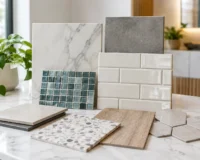
At Mecca Tiles, this is often where the right sample makes all the difference. Looking at tone, texture, and finish in your own light gives the decision more clarity than any screen ever can.
The most impressive spaces are rarely built on rules alone. They come from choosing materials that suit the way you want to live, then letting good design do the rest.