A tile selection can change the entire character of a room before the cabinetry, fixtures, or paint color have a chance to speak. In the mosaic vs subway tiles decision, the right choice comes down to more than appearance. Scale, grout lines, slip resistance, maintenance, and the mood you want to create all deserve a place in the conversation.
Subway tile brings graphic order and timeless structure. Mosaic introduces texture, detail, and a more expressive surface. Both can look beautifully at home in a premium kitchen or bathroom, but they deliver very different results once installed.
Mosaic vs Subway Tiles: The Essential Difference
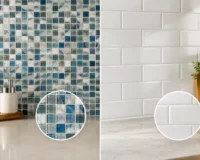
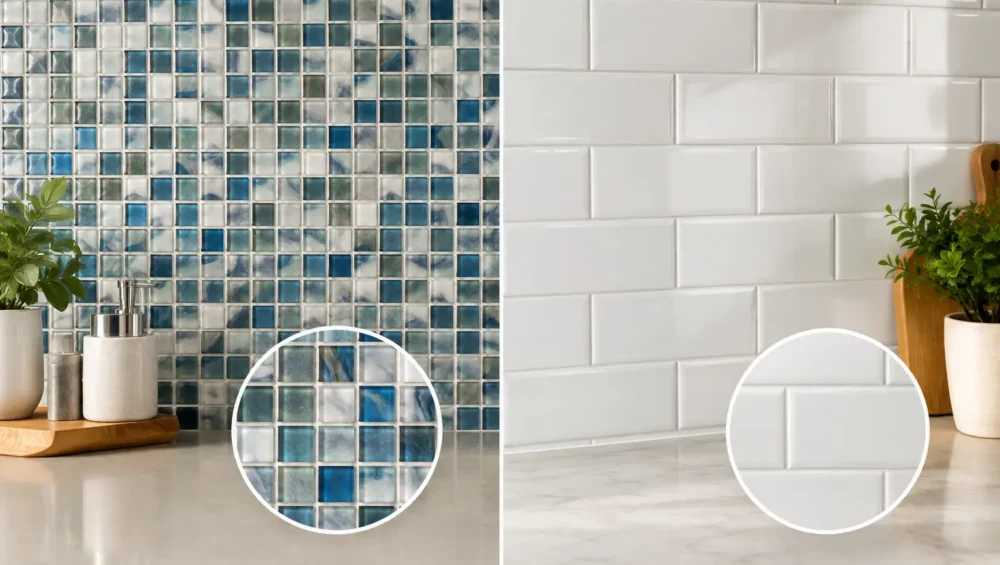
Subway tiles are typically small-format rectangular tiles, traditionally measuring 3 by 6 inches, though contemporary collections now offer elongated, oversized, handmade-look, and slimline versions. Their repeated shape creates a clean, architectural rhythm. Set in a classic running bond, stacked vertically, or arranged in a herringbone pattern, subway tile can move easily between traditional, coastal, modern, and transitional interiors.
Mosaic tiles are made from smaller individual pieces, often mounted on mesh-backed sheets for installation. They may be square, penny-round, hexagonal, basketweave, fish scale, kit kat, or irregular stone chips. Mosaics can be crafted from porcelain, ceramic, natural stone, glass, or mixed materials, offering remarkable variety in finish and texture.
The distinction is immediately visual. Subway tile reads as calm and intentional, especially across a large wall. Mosaic tile has more movement because of its smaller scale and greater number of grout joints. It can be subtle in a single neutral color or become the focal point of a room through pattern, material variation, or a decorative blend.
Choose Subway Tile for Timeless Structure
Subway tiles are a natural choice when you want a polished backdrop that will support other design features. In a kitchen, a white or soft neutral subway tile backsplash can frame veined stone countertops, timber cabinetry, sculptural lighting, or statement hardware without competing for attention. In a bathroom, it creates a sense of order that makes compact spaces feel brighter and more expansive.
This style is also highly adaptable. A glossy white tile with a contrasting grout has a crisp, heritage-inspired look, while matte tiles in warm ivory, clay, olive, or charcoal feel more contemporary. Tile orientation makes a meaningful difference too. Horizontal installation visually widens a wall, vertical stacking can create height, and herringbone gives a classic tile shape a more tailored finish.
Subway tile is usually easier to clean than a detailed mosaic surface because it has fewer grout lines. That makes it particularly practical for kitchen backsplashes, bathroom walls, and laundry rooms. For a shower, choose a tile rated for wet-area wall use and pair it with high-quality grout and proper waterproofing.
There is a trade-off. Because subway tile is widely recognized, it can feel predictable if the material, color, layout, and grout choice are all conventional. The answer is not necessarily to avoid it. Instead, elevate the finish with a handcrafted edge, a rich glaze, an elongated profile, a considered layout, or a nuanced grout color that complements rather than outlines every tile.
Choose Mosaic Tile for Detail and Texture
Mosaic tile is at its best when a surface deserves closer attention. It brings depth to shower niches, feature walls, vanity splashbacks, fireplace surrounds, and pool areas. A stone mosaic can add natural variation and quiet luxury, while a glossy ceramic or glass mosaic can reflect light and give a smaller bathroom a jewel-box quality.
For shower floors, mosaics offer a practical advantage beyond their visual appeal. The frequent grout joints create added grip underfoot, which can make small-format mosaic sheets a smart choice for wet floors. Their flexibility also allows them to follow the slope toward a drain more easily than larger tiles, helping achieve a clean, functional finish.
Mosaics work especially well on curved walls, rounded benches, and tight architectural details where a larger format tile would require extensive cutting. They also make it possible to introduce a patterned moment without covering an entire room. A restrained mosaic stripe behind a vanity or inside a shower niche can bring a custom-designed feel while keeping the broader scheme calm.
The consideration is upkeep. More grout lines mean more areas that can collect soap residue, mineral deposits, and everyday grime, especially in showers. Selecting a quality grout, sealing natural stone where required, and following a regular cleaning routine will preserve the finish. If low-maintenance living is a priority, use mosaic selectively rather than across every wall and floor.
Material Matters as Much as Shape
The material you choose changes how mosaic and subway tiles perform. Porcelain is a strong all-around option for busy homes because it is dense, durable, and available in an exceptional range of colors and finishes. Ceramic is a beautiful choice for decorative wall applications, particularly where glazed color and artisanal variation are part of the design story.
Natural stone mosaics offer a depth that manufactured materials cannot fully replicate. Marble, travertine, and limestone bring organic character, but they need appropriate sealing and more considered care. They are best chosen by homeowners and designers who appreciate natural variation as part of the luxury.
Glass mosaics can brighten a wet area with their reflective finish, although they require careful installation to avoid visible adhesive behind translucent pieces. For floor applications, always confirm that the specific tile has the necessary slip and wear ratings. A beautiful surface still needs to suit the demands of the space.
Where Each Tile Works Best
In kitchens, subway tile is often the more practical choice for the main backsplash. It is easy to wipe down, works with a wide range of countertop materials, and can be elevated through layout and grout selection. Mosaic is ideal when you want a concentrated focal point, such as behind a range or within an open shelf recess.
In bathrooms, the decision can be more layered. Subway tile creates a serene wall finish around a tub or in a shower enclosure. Mosaic can define the shower floor, line a niche, or wrap a curved feature wall. Combining both gives the room a designer-led sense of hierarchy: one surface sets the foundation, while the other provides detail.
For pool areas and waterline applications, mosaics are a classic choice due to their ability to contour around curves and their luminous reaction to water and sunlight. Use tiles specifically designed for pool environments, as chemical exposure and constant moisture demand the right material and installation system.
In commercial settings, the choice depends on the desired experience. Subway tile can feel clean and enduring in hospitality bathrooms, cafes, and retail interiors. Mosaic can deliver stronger brand personality at an entry, bar front, spa wall, or feature zone. In both cases, commercial projects should prioritize rated materials, durable grout, and professional installation.
Cost, Installation, and Grout Considerations
Tile cost is only one part of the budget. Subway tile is generally quicker to install, particularly in a straightforward stacked or running-bond layout. Herringbone, mitred corners, and handmade tiles may increase labor because they require more planning and cuts.
Mosaic sheets can speed up coverage in some situations, but they are not automatically the less expensive installation. Keeping sheets aligned, maintaining consistent joints, cutting around fittings, and grouting numerous small pieces takes precision. Intricate patterns and natural stone mosaics often require an experienced installer to achieve the refined finish the material deserves.
Grout color has significant influence in both options. Matching grout creates a softer, more continuous surface and lets the tile finish lead. Contrasting grout emphasizes geometry, making subway tile look sharper and mosaics more graphic. For light-colored grout in wet or high-use rooms, choose a stain-resistant formulation and commit to regular care.
How to Make the Final Selection
Start with the role the tile needs to play. If you want an elegant, versatile foundation that will complement changing décor over time, subway tile is difficult to surpass. If your project needs tactile interest, a safer shower-floor surface, or a distinctive feature that makes the room memorable, mosaic may be the stronger choice.
Then consider scale. Large rooms can comfortably carry either style, though extensive mosaic walls may feel busy unless the color palette is restrained. In smaller rooms, a simple subway tile can create breathing room, while a carefully placed mosaic can add personality without visual clutter.
Ordering samples is the most reliable way to decide. View them next to your cabinetry, countertop, fixtures, and paint in the actual light of the room. A warm white can look entirely different beside cool marble, and a mosaic that feels subtle in a showroom may become the defining detail in a compact shower.
The most compelling interiors rarely choose tile by trend alone. Let the architecture, light, and way you use the room lead the decision, then select the surface that makes every daily moment feel more considered.