A great tile choice does more than cover a wall or floor. It establishes the mood of a room before furniture, lighting, or art has a chance to speak. Designer tile collections give homeowners and design professionals a more considered starting point: surfaces with intention behind their color, proportion, finish, and performance.
Whether you are planning a quiet spa-style bathroom, a kitchen with architectural presence, or a commercial space built for constant use, the right collection helps turn a practical material into a defining design element. The key is choosing with the full room in mind, not simply falling for a beautiful sample.
What Sets Designer Tile Collections Apart
Designer tile collections are curated around a complete visual idea. Rather than offering a single standalone finish, they often bring together coordinated formats, tonal variations, decorative pieces, trims, and textures that can carry a design from floor to wall and into adjacent spaces.
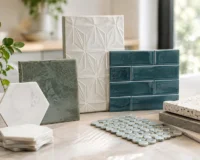
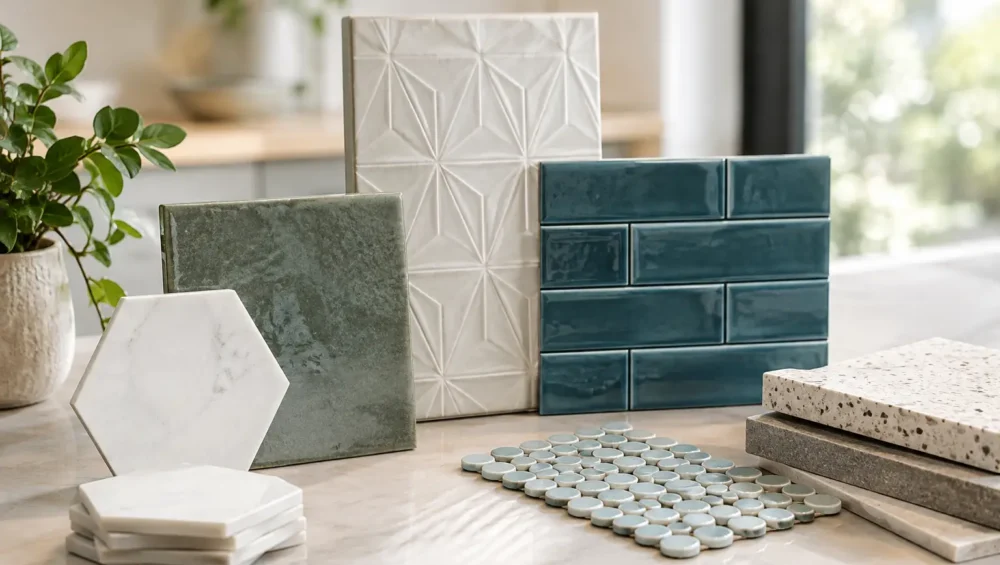
This creates a sense of continuity that is difficult to achieve with a one-off tile selection. A soft limestone-look porcelain may be available in large-format floor tiles, smaller wall pieces, and outdoor pavers. A handcrafted-look ceramic range may pair a glossy field tile with a textured variation or contrasting mosaic. The result can feel layered and personal while remaining visually coherent.
Quality also matters beneath the surface. Premium collections are developed with close attention to glaze depth, print detail, edge finish, slip resistance, and the way tiles sit together after installation. Those details influence the final result as much as the initial color palette. A tile that looks refined in a sample should also perform well underfoot, clean easily, and suit its intended environment.
Start With the Feeling, Then Check the Function
The most successful spaces begin with a clear point of view. Before comparing formats or grout colors, decide how you want the room to feel. Do you want a bathroom that is calm and cocooning, a kitchen that is bright and tailored, or an entry that feels dramatic from the first step?
Warm neutrals, matte finishes, and stone-inspired surfaces create softness and restraint. High-gloss ceramic, veined porcelain, and rich jewel tones introduce more light, movement, and personality. Patterned tile can make a compact powder room memorable, while a quiet large-format surface may give a larger open-plan space the polished foundation it needs.
Function should shape that vision rather than limit it. A shower floor needs suitable slip resistance and a format that works comfortably with drainage. A busy family kitchen benefits from a durable, easy-care surface. Exterior areas require tile rated for changing weather conditions and appropriate grip when wet. Natural stone can deliver exceptional character, but it may need more considered sealing and maintenance than porcelain.
There is no universal best material. The right choice depends on how the space is used, how much maintenance suits your lifestyle, and whether the surface needs to meet specific installation or commercial requirements.
Choosing a Collection by Room
Bathrooms: Create a Complete Retreat
Bathrooms are ideal for collections that offer more than one format. Use a larger tile across walls to reduce visual interruption, then introduce a smaller mosaic or textured tile in the shower zone or niche. This gives the room a tailored finish while helping address practical needs such as grip and falls to drain.
For a timeless luxury look, consider stone-look porcelain in warm ivory, soft gray, or sand. If you prefer stronger contrast, a deep green, ink blue, or charcoal wall tile can bring intimacy to a powder room or ensuite. Balance bolder color with carefully selected lighting, mirrors, and fixtures so the finished room feels rich rather than crowded.
Kitchens: Build a Surface Story
In a kitchen, tile works hardest when it connects cabinetry, countertops, and hardware. A simple subway tile can feel entirely new in an elongated format, a soft handmade profile, or a nuanced glaze. For a more architectural effect, large-format porcelain or porcelain slabs can extend the visual language of a benchtop into the backsplash.
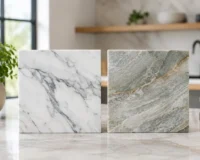
Consider the amount of movement already present in the room. If your countertop has dramatic veining, a quieter backsplash may let it remain the focal point. If cabinetry is understated, a patterned or richly glazed tile can bring needed depth. Grout color is part of this decision too: tonal grout gives a more continuous look, while contrasting grout makes each tile shape more graphic.
Living Areas and Entries: Let the Floor Lead
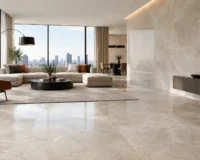
A floor can quietly unify a home. Large-format porcelain, terrazzo-look tile, and natural stone-inspired finishes are especially effective in living areas, entryways, and open-plan kitchens because they create visual flow between zones.
Scale is essential. Larger tiles can make a spacious room feel calm and expansive, but they need a sufficiently level substrate and thoughtful layout. Smaller formats can add rhythm and flexibility in irregular rooms. For an entry, a patterned tile or mosaic border can create a distinct arrival moment without committing the whole home to a decorative finish.
Outdoor Spaces: Continue the Architecture
Outdoor tile should feel like an extension of the home, not an afterthought. Collections with coordinated indoor and outdoor finishes make it easier to continue a stone, concrete, or timber-look aesthetic through a doorway and onto a patio, pool surround, or entertaining area.
Performance is particularly important here. Confirm that the tile is appropriate for exterior installation, local climate, wet conditions, and the intended use. A beautiful surface around a pool needs more than visual appeal – it needs an appropriate texture, durable construction, and careful installation.
Color, Texture, and Format: The Details That Change Everything
The same tile color can read differently under warm artificial light, direct daylight, or the cooler light of a shaded room. Ordering samples and viewing them in the actual space is one of the smartest decisions you can make. Place them beside cabinetry, paint, stone, and timber finishes at different times of day.
Texture deserves equal attention. A polished surface reflects light and can make a room feel brighter and more formal. Matte tile tends to feel softer and is often more forgiving of everyday marks. Honed stone offers natural variation and understated elegance, while tactile ceramics bring a handcrafted quality that gives walls more depth.
Format affects proportion. Long, narrow tiles can lengthen a wall or create a contemporary linear effect. Square tiles feel balanced and can reference classic interiors. Mosaics offer intricate detail in small areas, and oversized formats reduce grout lines for a clean, expansive finish. The best choice is often the one that respects the room’s dimensions instead of competing with them.
How to Make a Premium Choice With Confidence
A designer collection deserves a considered selection process. Begin by narrowing the room, the visual direction, and the performance requirements. Then order samples before making a full commitment. This is especially valuable for tiles with tonal variation, natural stone movement, or textured glazes, where no screen image can fully convey the material.
Think beyond the tile itself. Ask how the grout, trim pieces, transitions, and installation pattern will support the finished design. A mitred edge, matching trim, or well-chosen metal profile can give a project a more resolved appearance. Conversely, an unsuitable grout or rushed layout can diminish even the most exceptional tile.
It is also wise to discuss quantities early. Ordering enough material from the same batch, including an allowance for cuts and future repairs, helps protect the integrity of the project. For larger homes, hospitality spaces, or commercial settings, confirm lead times and technical suitability before installation is scheduled.
At Mecca Tiles, curated premium surfaces and sample ordering make it easier to move from inspiration to a choice you can see, touch, and specify with confidence.
Bring Character to Every Surface
The strongest interiors do not rely on excess. They use material thoughtfully, allowing color, texture, and proportion to create atmosphere where it matters most. Choose a collection that suits the demands of the space, then give it room to make an impression. The right tile can turn an everyday room into one that feels composed, enduring, and entirely your own.