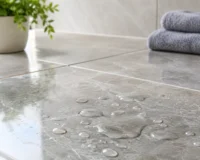
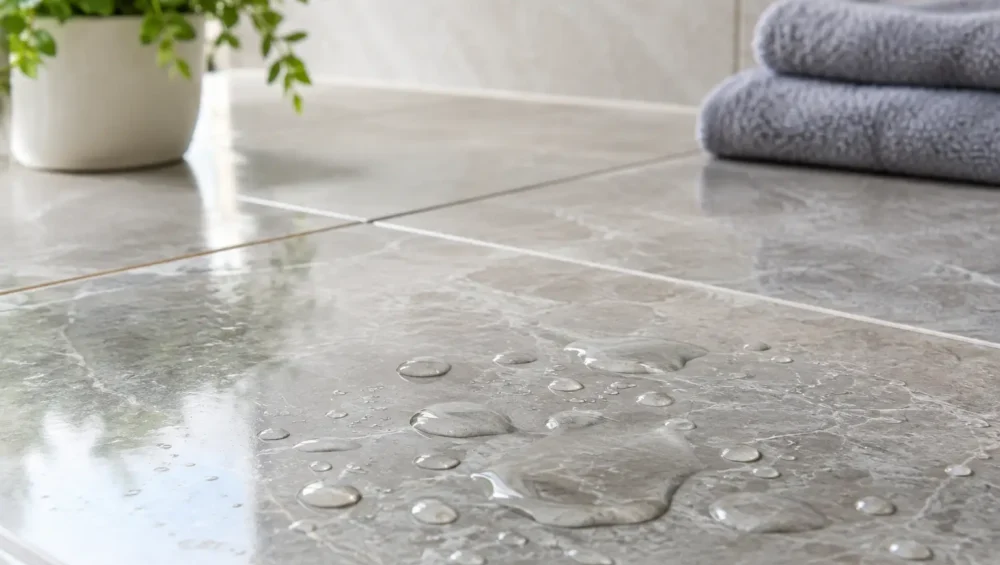
A glossy ceramic wall in a shower can look perfectly impervious to water, but appearances do not tell the whole story. So, are ceramic tiles waterproof? Most ceramic tiles are water-resistant rather than completely waterproof. Their glazed face can repel everyday splashes beautifully, while the tile body, grout joints, edges, and installation system still need to be chosen carefully for wet areas.
That distinction matters when you are selecting a surface for a bathroom, kitchen backsplash, laundry room, entryway, or outdoor living area. A well-specified ceramic tile installation delivers lasting beauty and practical performance. The wrong tile, grout, or substrate can allow moisture to travel where it should not.
Are Ceramic Tiles Waterproof or Water-Resistant?
Ceramic tile is made from natural clay and minerals that are shaped, fired, and often finished with a protective glaze. The glaze creates the smooth or textured decorative surface you see and touch. On glazed ceramic tile, water generally sits on the face rather than soaking in, making it an excellent choice for walls exposed to routine moisture and cleaning.
However, ceramic has a degree of water absorption. The amount varies by product, firing temperature, density, and finish. Unglazed ceramic is typically more absorbent than glazed ceramic, and even a glazed tile may absorb water through its unglazed back, cut edges, or small imperfections in the surface.
Porcelain is a type of ceramic, but it is fired at higher temperatures and is denser, with much lower water absorption. This is why porcelain is often the preferred premium choice for shower floors, exterior applications, pool surrounds, and heavily used commercial environments. Ceramic should not be dismissed, though. It can be a refined, durable, and cost-conscious surface when used in the right location.
What Actually Protects a Tiled Wet Area?
A water-resistant tile face is only one layer of protection. In a shower or other truly wet zone, the waterproofing system behind the tile does the critical work. Tile and grout are finish materials, not a substitute for a waterproof membrane.
A properly built wet-area installation typically includes a sound substrate, a compatible waterproof membrane, suitable tile adhesive, grout, and carefully sealed transitions around fixtures, corners, drains, and penetrations. These layers work together to direct moisture away from the structure. If water reaches the grout joint, it should not be able to damage the wall or floor beneath.
This is also why professional installation matters as much as the tile itself. A luxurious handmade-look ceramic tile will only perform as intended when its substrate is prepared correctly and its movement joints, falls, and waterproofing details are resolved with care.
Grout is not waterproof
Cement-based grout is porous to some degree. It may resist water after sealing, but it is not a permanent waterproof barrier. Grout sealer can help reduce staining and make maintenance easier, particularly with light-colored grout, but it does not replace membrane waterproofing.
Epoxy grout offers greater stain and moisture resistance than standard cement grout and can be an appealing upgrade in high-use showers, kitchens, and commercial spaces. It is more demanding to install, however, and it may not suit every tile or design preference. Your installer can advise on the right grout system for the tile format and location.
Edges, joints, and corners need attention
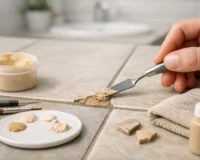
Water rarely causes problems in the center of a tile. It tends to find gaps at shower niches, wall-to-floor junctions, pipe penetrations, window reveals, and poorly finished edges. Flexible sealant, not rigid grout, is generally used where two surfaces meet and movement is expected.
For a polished result, plan trims and edge details early. A matching ceramic trim, a porcelain edge piece, or a slim metal profile can give exposed edges a crisp finish while protecting vulnerable tile sides.
Where Ceramic Tile Works Best
Ceramic tile is a design-forward option for many interior applications. It is especially well suited to bathroom walls, powder rooms, kitchen backsplashes, laundry walls, fireplace surrounds, and low-to-moderate traffic floors where the selected product is rated for flooring.
In these settings, ceramic opens up a remarkable range of color, shape, glaze variation, decorative relief, and artisanal character. Think elongated subway tiles with a soft handcrafted sheen, scalloped tiles that create movement across a feature wall, or matte geometric formats that bring a considered finish to a laundry room.
For shower walls, glazed ceramic can be an excellent selection when it is installed over a fully waterproofed system. Large-format options create fewer grout lines, while smaller-format tiles offer detail and flexibility around niches and curves. The best choice depends on the look you want and the practical requirements of the space.
Ceramic may be less suitable for shower floors, steam rooms, outdoor paving, pool interiors, and freeze-thaw climates. These areas demand close attention to water absorption, slip resistance, thermal movement, and installation specifications. Dense porcelain, purpose-made pool tile, or another surface rated specifically for the environment will often provide more confidence.
How to Choose Ceramic Tile for Bathrooms and Kitchens
Start with the room, not just the style. A kitchen backsplash sees splashes and cooking residue but is not continuously wet, so many glazed ceramic tiles perform beautifully there. A main bathroom shower has a much more demanding moisture load and needs a complete wet-area system behind the tile.
Then consider finish. Glossy glazes reflect light and make compact bathrooms feel brighter, while matte ceramic offers a softer, more architectural look. On floors, check the tile’s suitability and slip-resistance rating rather than assuming that a wall tile can be used underfoot. Small mosaics can provide useful grip on shower floors because their extra grout lines create traction, but the mosaic itself must still be approved for that application.
Tile size affects maintenance and visual impact. Larger tiles create a calm, expansive surface with fewer grout joints. Smaller tiles introduce texture, pattern, and more detailed craftsmanship, though they require more grouting and cleaning. Neither is automatically better. The right balance comes from the room’s scale, drainage needs, and the finish you want to live with.
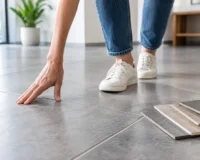
Before committing, order samples and view them in the actual room. Glaze can shift from warm to cool under different lighting, and a textured surface can feel very different in person than it appears online. Place samples beside cabinetry, stone, paint, and fixtures to create a complete material story.
Keeping Ceramic Tile Looking Beautiful
Ceramic tile is valued for low-maintenance living, but care still protects its finish. Wipe shower walls after use when possible, clean regularly with a pH-neutral tile cleaner, and avoid abrasive scouring pads that may dull glossy glaze or damage specialty finishes. Address soap residue and hard-water buildup before it becomes difficult to remove.
For grout, follow the product guidance on sealing and cleaning. Reapply a penetrating sealer where recommended, especially in areas exposed to cooking oils, cosmetics, or frequent moisture. If you notice cracked grout, loose tiles, darkened areas, or failing sealant around a shower, arrange an inspection promptly. Small repairs are far simpler than unmanaged moisture behind a wall.
The Right Surface Makes the Difference
Ceramic tile is not inherently waterproof from face to back, but a quality glazed ceramic paired with professional waterproofing can transform wet-area walls into an elegant, enduring finish. For floors, exteriors, and constantly wet environments, choosing a denser, purpose-rated alternative may be the wiser investment.
The most successful spaces pair the tile’s visual character with the demands of the room. Explore samples before selecting, confirm the intended application with your installer, and let each surface earn its place through both performance and design.