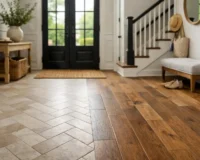
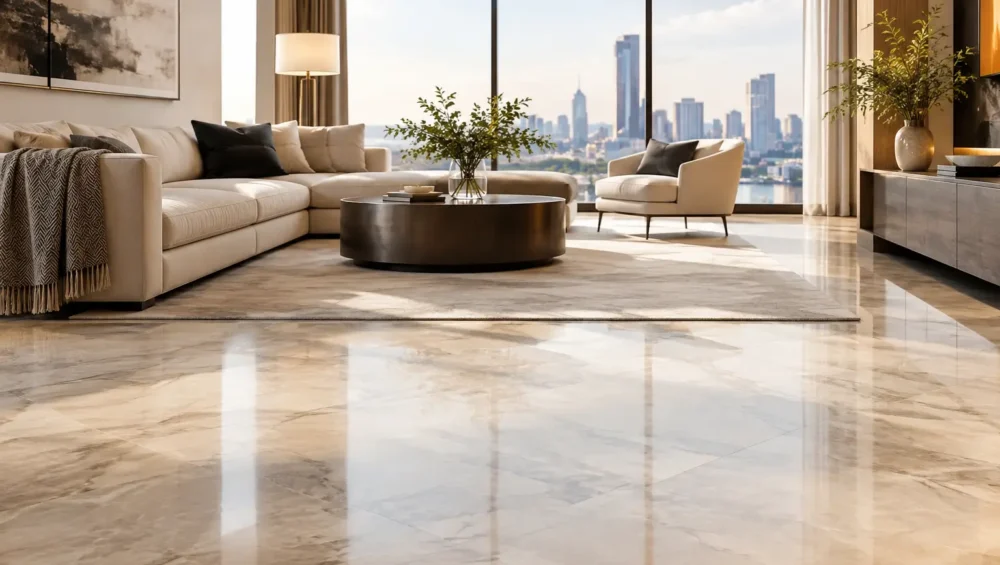
A floor can set the entire direction of a room before a single cabinet pull, pendant light, or piece of furniture is chosen. The strongest luxury flooring trends move beyond surface-level glamour, pairing tactile materials and expressive design with the durability required for real life. For homeowners and design professionals, the opportunity is to choose a foundation that feels distinctive underfoot and still performs beautifully through years of use.
The most compelling spaces are becoming less coordinated and more considered. Rather than matching every finish, designers are selecting flooring with depth, movement, and a clear point of view. Think warm stone-look porcelain through an open-plan living area, handcrafted terracotta in a sunlit kitchen, or patterned tile that gives a compact powder room its own identity.
Luxury Flooring Trends Shaping 2026
Natural variation takes center stage
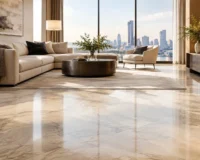
Perfectly uniform surfaces are giving way to materials with visual nuance. Veining, tonal shifts, fossil-like details, mineral flecks, and subtle texture make a floor feel collected rather than manufactured. This is one reason natural stone, terrazzo, and high-quality porcelain inspired by limestone, travertine, and marble remain central to premium interiors.
Travertine looks are especially influential, but the modern interpretation is softer and more architectural than overtly traditional. Honed finishes, gentle beige and sand tones, and larger-scale cuts create a calm foundation for timber, brushed metal, linen, and sculptural furniture. Porcelain delivers this look with easier day-to-day maintenance, making it a practical choice for busy kitchens, entryways, and commercial settings.
Natural stone offers unmatched character, though it requires a more committed care routine. Sealing requirements, porosity, and the likelihood of patina should be part of the decision, not an afterthought. For projects where authentic variation is the priority, those qualities are often exactly what make stone feel luxurious.
Large-format surfaces create visual calm
Large-format porcelain tiles and porcelain slabs continue to define high-end projects. Fewer grout lines produce a more expansive visual field, allowing stone-inspired patterns and concrete finishes to read with greater impact. In open living areas, large-format flooring can make separate zones feel connected while preserving a tailored, elevated look.
Scale matters. An oversized tile can be striking in a generous living room or lobby, but it is not automatically the right solution for every room. Smaller bathrooms with multiple corners, floor wastes, or awkward dimensions may benefit from a format that allows cleaner cuts and more controlled falls. The luxury is not simply in choosing the largest available tile. It is in choosing a format that suits the architecture.
Installation also deserves early attention. Large-format products require a well-prepared substrate, experienced installation, and thoughtful handling. Budgeting for proper preparation protects the refined result that drew you to the material in the first place.
Warm neutrals replace cool minimalism
Crisp gray interiors are making room for warmer palettes that feel grounded and enduring. Cream, almond, mushroom, clay, caramel, and soft tobacco tones are appearing across tile, hybrid timber, terracotta, and stone collections. These shades bring depth without making a room feel heavy, and they work naturally with the layered materials popular in premium homes.
The shift is not about avoiding contrast. Dark flooring still has a place in dramatic dining rooms, boutique hospitality spaces, and contemporary bathrooms. The difference is that contrast is being softened by texture and undertone. A deep charcoal slate-look porcelain may be balanced with warm plaster walls, aged bronze, and pale oak rather than stark white and chrome.
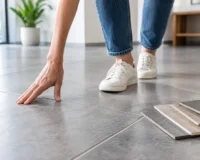
For a lasting choice, study samples in the room where the flooring will live. Morning light, evening light, surrounding paint colors, and cabinetry can all change the perceived warmth of a tile. A sample is one of the simplest ways to move from an attractive online image to a confident material decision.
Texture Is the New Definition of Luxury
Tactile finishes add quiet richness
Polished marble will always have a place, particularly where a formal, light-reflective finish is desired. Yet matte, honed, brushed, and lightly structured surfaces are increasingly favored for their restraint. They offer a softer visual effect and can be more forgiving of water marks, footprints, and everyday dust.
Textural flooring also changes how a space feels, not just how it looks. A gently pitted limestone-look tile brings a sense of permanence to an entry. A handmade-look ceramic offers warmth in a laundry or mudroom. Timber-grain hybrid planks introduce a residential softness in bedrooms and upstairs spaces where comfort is a priority.
Function should guide finish selection. Wet areas need appropriate slip resistance, while pool surrounds and exterior entertaining zones need products designed for exposure, drainage, and changing weather. A surface that looks luxurious but feels precarious under bare feet is not a premium outcome.
Terrazzo and mosaics become focal materials
Terrazzo is moving well beyond its retro reputation. Contemporary terrazzo ranges from quiet, small-chip compositions in tonal neutrals to dramatic mixes with bold aggregate and rich color. Used across a bathroom floor, it creates an instant sense of craft. Used selectively in an entry or commercial reception area, it can become a memorable signature element.
Mosaics are also being used with greater intention. Instead of covering every wall and floor, designers are reserving them for places where detail matters: shower floors, niches, fireplace hearths, bar fronts, and curved architectural features. Their smaller scale makes them especially useful where drainage is required or a room needs a delicate contrast to large-format surfaces.
Room-by-Room Choices That Feel Considered
In kitchens, porcelain remains a standout luxury option because it can achieve stone, concrete, timber, and terrazzo aesthetics while standing up to spills, traffic, and frequent cleaning. A warm limestone-look tile laid in a straight stack or a subtle French pattern can give a kitchen substantial architectural presence. If the space has a large island, choose a floor with movement that supports the cabinetry rather than competing with it.
Bathrooms offer more freedom for expressive flooring. Stone-look porcelain creates a spa-like retreat, while encaustic-inspired patterns can add personality to a powder room or secondary bath. When using a statement tile, let it lead. Pair it with calmer wall finishes and fixtures so the room feels curated rather than crowded.
For outdoor spaces, continuity is a major luxury cue. Coordinating indoor and outdoor porcelain in compatible finishes can visually extend the living area toward a patio, courtyard, or pool zone. Exterior tiles need their own performance credentials, however. Confirm that the product is suited to outdoor installation and select an appropriate grip finish for the setting.
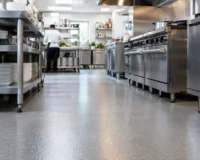
Commercial projects require another layer of consideration. Hotels, retail spaces, restaurants, and multifamily common areas need surfaces that make a strong first impression while tolerating sustained foot traffic. Through-body porcelain, durable pavers, and commercial-grade stone looks offer the balance of design impact and practical longevity these environments demand.
Pattern Is Returning, With Restraint
Patterned flooring is no longer confined to heritage homes. Checkerboard layouts, geometric encaustic designs, herringbone-inspired tile arrangements, and tonal mosaics are giving contemporary spaces a welcome sense of rhythm. The key is scale and placement.
A large checkerboard in soft cream and taupe can feel timeless in a foyer or kitchen. A high-contrast geometric tile may be better suited to a small vestibule, powder room, or hospitality entrance where it can create a deliberate moment. In larger rooms, a patterned floor often benefits from simpler furnishings and generous areas of visual rest.
Tile layout itself is becoming a design feature. Straight stack installations feel crisp and modern; offset patterns bring familiarity; directional plank layouts can visually lengthen a room. Before ordering, consider the grout color and joint width alongside the tile. These details can either sharpen the graphic effect or allow the surface to read as one continuous field.
Choose a Trend You Can Live With
The best luxury flooring is not chosen because it appears everywhere. It is chosen because it supports the way a space will be used and gives the project a character that will still feel right after the trend cycle shifts. A dramatic surface can be a brilliant choice in a small, self-contained room. In a whole-home installation, a more nuanced material may offer greater longevity and flexibility.
Start with the room’s demands: moisture, sunlight, traffic, pets, cleaning habits, and transitions to adjacent spaces. Then narrow the aesthetic direction through samples, scale, finish, and layout. Premium flooring earns its place when beauty and performance are selected together.
Choose the surface that makes you pause when you enter the room, then make sure it has the practical qualities to welcome you back every day.