A beautiful tile should still look beautiful after muddy shoes, cooking splatters, shower steam, and a busy Saturday at home. If you are asking what tiles are easiest to maintain, porcelain is usually the clear front-runner. Its dense, low-porosity surface resists moisture, stains, and everyday wear without demanding a complicated care routine.
That does not mean porcelain is the only smart choice. The easiest tile for your project depends on where it will be installed, the finish you choose, the grout around it, and how much natural variation you want in the final design. A high-performance surface can still feel warm, refined, and distinctly yours.
What Tiles Are Easiest to Maintain? Start With Porcelain
Porcelain tile is widely considered the most low-maintenance option for floors and walls. It is fired at high temperatures, creating a dense surface that absorbs very little water. In practical terms, that means fewer worries about spills, moisture, staining, and day-to-day cleaning.
For kitchens, bathrooms, laundry rooms, entryways, and high-traffic living spaces, porcelain delivers the polished look of a premium finish with straightforward upkeep. A regular sweep or vacuum, followed by a mop with warm water and a pH-neutral cleaner, is generally all it needs. Unlike many natural materials, porcelain does not usually require sealing.
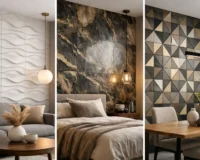
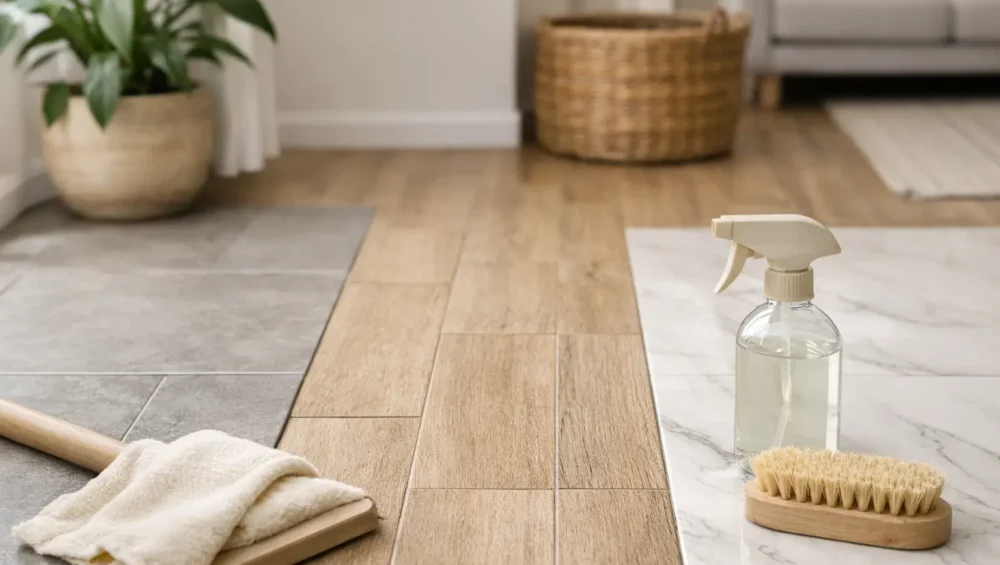
Its design range is another advantage. Modern porcelain can convincingly capture the soft veining of marble, the texture of limestone, the warmth of timber, or the depth of concrete. You can create an elevated, architectural look without taking on the sealing and stain-management requirements associated with some natural stone surfaces.
Glazed porcelain versus through-body porcelain
Glazed porcelain has a protective glass-like coating that supplies color, pattern, and stain resistance. It is an excellent choice for most residential walls and floors, particularly when you want expressive pattern, glossy color, or a stone-inspired design.
Through-body porcelain carries its color and composition through the tile itself. This makes it especially appealing for busy commercial interiors, outdoor paving, and heavily used floors where chips or edge wear may be more visible over time. Both options are easy to clean, but through-body porcelain offers extra reassurance in demanding settings.
Ceramic Tile Is Easy-Care for Walls and Lighter-Use Spaces
Ceramic tile is another practical, stylish choice, especially for walls. Glazed ceramic is smooth, easy to wipe down, and naturally suited to kitchen backsplashes, shower walls, fireplace surrounds, and decorative feature areas. Sauce splashes behind a cooktop or toothpaste marks around a vanity can be cleaned with little more than a soft cloth and a mild cleaner.
Compared with porcelain, ceramic is generally less dense and more likely to chip in a hard-working floor application. That does not make it a poor choice. It simply means placement matters. A premium ceramic wall tile can bring handcrafted character, rich color, or a glossy finish to a room while keeping maintenance wonderfully simple.
For floors, check the tile’s recommended application and slip rating before committing. In a low-traffic powder room or carefully considered residential space, ceramic can work beautifully. For an active family kitchen or a busy hallway, porcelain is typically the more forgiving long-term investment.
The Finish Matters as Much as the Material
A tile can be technically low-maintenance yet show every footprint if its finish is not right for the room. This is where a thoughtful selection can make daily life feel far easier.
Matte porcelain is a favorite for busy floors because it disguises water spots, light dust, and minor smudges better than a highly polished surface. It also often provides better slip resistance, making it a natural fit for bathrooms, laundries, entryways, and outdoor areas. The trade-off is that deeply textured matte tiles can hold dirt in their surface detail, so choose a texture appropriate for the amount of cleaning you are willing to do.
Polished porcelain creates a luxurious, light-reflecting finish that suits formal living areas, statement bathrooms, and elegant wall applications. It is still simple to maintain, but it may reveal streaks, water marks, and pet prints more readily. A microfiber mop and regular light cleaning will keep it looking pristine.
For the lowest-fuss floor, consider a satin, honed-look, or lightly textured porcelain in a mid-tone shade. These finishes offer visual softness while being more forgiving between cleans than bright white gloss or very dark polished tile.
Large-Format Tiles Mean Less Grout to Clean
Tile size has a direct impact on maintenance. Larger tiles create fewer grout joints, which means fewer lines where soap residue, dust, and discoloration can collect. Large-format porcelain is particularly effective in open-plan living areas, modern bathrooms, and expansive kitchen floors, where it creates a calm, continuous surface with a more luxurious visual effect.
Smaller mosaics have their own appeal, especially on shower floors, splashbacks, and curved surfaces. However, more individual pieces mean more grout. If easy upkeep is your priority, reserve mosaic for a feature zone or choose a larger mosaic sheet with a grout color designed to hide everyday marks.
Rectified tiles, which have precisely cut edges, can often be installed with narrower grout joints. The result is sleek and contemporary, with less visible grout across the finished surface. Installation quality remains essential. Even the most practical tile benefits from careful preparation, correct spacing, and grout suited to the setting.
Do Not Overlook Grout When Choosing Easy-Maintenance Tile
Grout is often the real maintenance decision. White grout against a busy kitchen floor can look crisp on day one, but it is likely to show spills, soil, and discoloration sooner than a mid-tone or coordinated shade. Choosing grout that relates closely to the tile color creates a more cohesive surface and makes routine wear less noticeable.
For wet areas and high-use floors, ask your installer about high-performance grout options. Epoxy grout is highly resistant to staining and moisture, making it a strong choice for showers, commercial spaces, and areas exposed to frequent spills. It is more expensive and can be more demanding to install, but its long-term ease of care can justify the investment.
Cement-based grout remains widely used and can perform well when properly sealed and maintained. It may need periodic resealing depending on the product and location. This is not a reason to avoid it, but it is worth factoring into the maintenance plan from the beginning.
Natural Stone Is Beautiful, but It Requires More Attention
Natural stone brings irreplaceable depth, movement, and material authenticity to an interior. Marble, travertine, limestone, terrazzo, and slate can transform a room into something richly layered and enduring. Yet natural stone is not usually the answer for homeowners seeking the easiest possible maintenance routine.
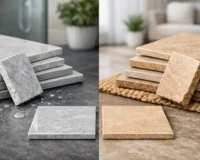
Many stones are porous and need sealing to help protect them from moisture and staining. Acidic spills such as lemon juice, vinegar, wine, and certain cleaners can etch or mark calcareous stones including marble and limestone. Their natural patina is often part of the appeal, but it requires an owner who appreciates character rather than expecting a perfectly uniform surface forever.
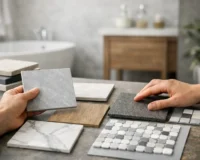
If you love the look of stone but want less upkeep, stone-look porcelain is a compelling alternative. It gives you the visual drama of veining, fossil-like texture, or soft mineral color with the resilience of porcelain. For households with young children, pets, frequent entertaining, or rental properties, this balance can be particularly valuable.
Match the Tile to the Room
The easiest tile is the one that suits how the room is actually used. In a shower, choose porcelain or glazed ceramic walls and consider a slip-resistant mosaic or textured porcelain floor. In a kitchen, porcelain flooring and a glazed ceramic or porcelain backsplash offer quick cleanup without compromising design impact.
For outdoor spaces, select porcelain pavers or exterior-rated porcelain with appropriate slip resistance and frost performance for your climate. Outdoor tile faces dirt, rain, leaves, and furniture movement, so a slightly textured, medium-toned finish is often more practical than a smooth high-gloss option.
Entryways and mudrooms benefit from durable porcelain in a finish that conceals tracked-in dust. A warm gray, sand, taupe, or naturally varied stone-look design will often look cleaner between mopping than a solid black or brilliant white floor.
A Simple Care Routine for Long-Lasting Tile
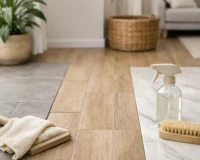
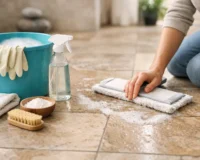
Even low-maintenance tile rewards simple, consistent care. Sweep abrasive grit from floors regularly, as sand and dirt can dull finishes over time. Wipe spills promptly, especially on grout and natural stone, and use a pH-neutral cleaner rather than harsh acids, bleach, or oil-based products that can leave residue.
Avoid abrasive scouring pads on polished finishes, and always follow the product guidance for specialty surfaces. For porcelain and glazed ceramic, restrained cleaning is usually better than an overcomplicated collection of products. Clean water, the right mild cleaner, and a soft mop often go a long way.
The most effortless surfaces are not necessarily the plainest ones. Choose a porcelain or glazed ceramic tile with a forgiving finish, well-considered grout, and a design you will enjoy seeing every day. That is how a practical choice becomes a lasting part of a beautifully finished home.