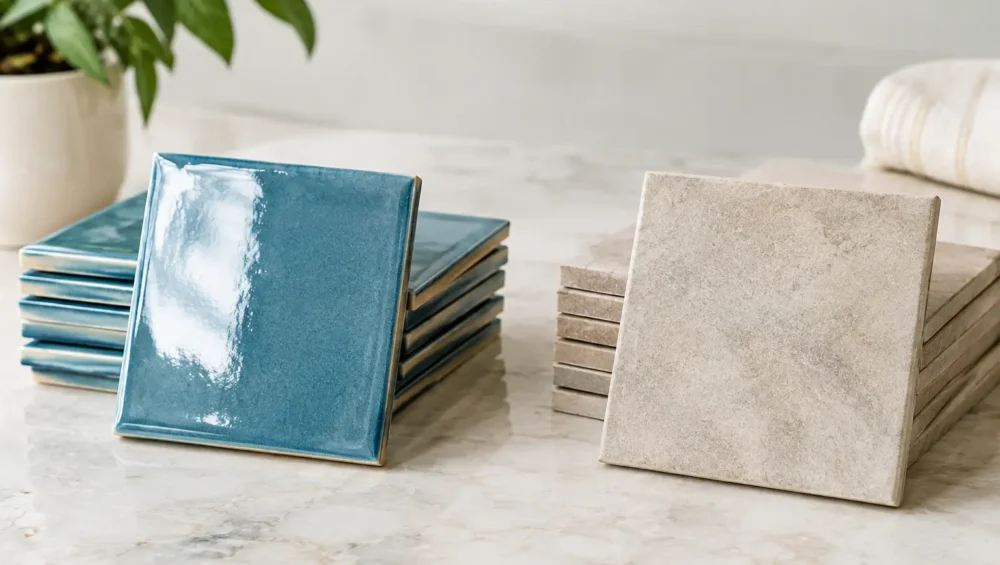
A tile can look exceptional in a showroom and still be the wrong choice for the way a room is used. When comparing glazed versus unglazed tiles, the finish affects far more than color. It influences slip resistance, cleaning routines, visual depth, wear patterns, and the overall character of the space.
For a light-filled kitchen, a glossy glazed surface may deliver the polished, refined look you want. For an outdoor entry, a matte unglazed porcelain may provide the traction and quiet durability the setting demands. The best choice is not simply about which tile is more premium. It is about matching the surface to the project.
What Makes a Tile Glazed or Unglazed?
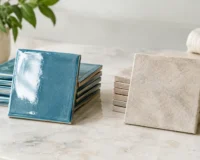
A glazed tile has a glass-like coating applied to its face before firing. This coating can create almost any look: crisp white, high gloss, soft satin, richly veined marble, hand-painted pattern, or concrete-inspired texture. The glaze gives manufacturers enormous design freedom, which is why glazed porcelain and ceramic are central to many luxury kitchen, bathroom, and wall-tile collections.
An unglazed tile does not have that separate surface coating. Its color and character come from the tile body itself, often through pigments mixed throughout the material. Unglazed porcelain is especially valued for its dense composition, understated matte finish, and consistency through the body of the tile. Terracotta, quarry tile, and certain natural-looking porcelains may also offer an unglazed appearance, though each material has its own performance profile.
The distinction matters because a glazed tile’s visible surface is the glaze, while an unglazed tile’s visible surface is the material itself. This changes how each option responds to scratches, stains, moisture, and daily traffic.
Glazed Versus Unglazed Tiles: The Visual Difference
Glazed tiles offer exceptional decorative range. A glaze can be glossy enough to reflect light across a compact powder room, subtly satin for a modern kitchen backsplash, or matte and textured to evoke stone, plaster, or aged cement. It can also carry intricate patterns and dimensional effects that would be difficult to achieve in an unglazed body.
This versatility makes glazed tile an elegant choice when the surface is a focal point. Think of a deep green subway tile wrapping a bar, a terrazzo-look porcelain floor in a hospitality setting, or a large-format marble-look slab creating a dramatic shower wall. Glazed finishes can be strikingly realistic while offering the practical advantages of porcelain or ceramic.
Unglazed tiles tend to feel more elemental. Their appeal lies in tonal variation, natural texture, and a less reflective finish. They are well suited to interiors that call for grounded materiality: warm Mediterranean courtyards, minimal contemporary bathrooms, architectural commercial entries, and indoor-outdoor spaces where a glossy surface would feel out of place.
Neither option is automatically more luxurious. A high-gloss glazed tile can bring glamour and luminosity, while an unglazed porcelain paver can feel quietly sophisticated and exceptionally architectural. The right finish should support the room’s lighting, palette, and intended mood.
How They Perform Under Daily Use
Glazed tiles are generally easy to clean because the finished surface is nonporous or very low-porosity, particularly with glazed porcelain. Spills, cooking splashes, and bathroom residue usually remain on the surface rather than penetrating it. This makes glazed options a practical choice for backsplashes, shower walls, and many residential floors.
Their key consideration is the finish. A glossy glazed floor can show water spots, footprints, and smudges more readily than a matte surface. Very smooth glossy tiles may also be less appropriate in wet, frequently used floor areas. A glaze can be highly durable, but a deep chip may expose the differently colored body beneath it, depending on the product.
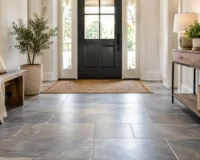
Unglazed porcelain is often selected for high-traffic areas because the color and pattern run through the tile body. Minor abrasion is typically less noticeable than it would be on a glazed surface. Many unglazed tiles also have a naturally matte or textured face, which can offer more underfoot grip.
That does not mean unglazed automatically equals maintenance-free. Some unglazed materials, especially porous terracotta or natural stone, can absorb moisture and staining agents unless properly sealed. For those materials, sealing and periodic resealing are part of preserving the surface. Dense unglazed porcelain, on the other hand, is remarkably low maintenance and well suited to demanding settings.
Where Each Finish Works Best
In kitchens, glazed porcelain or ceramic performs beautifully on walls and backsplashes, where its color clarity and easy-clean surface are major advantages. For a kitchen floor, both finishes can work. Choose a matte glazed porcelain if you want a decorative stone or timber look, or an unglazed porcelain if you prefer a restrained, hard-wearing surface that disguises daily activity.
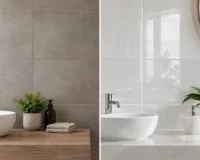
Bathrooms require closer attention to finish and texture. Glazed wall tile is a natural fit for shower walls, vanity backsplashes, and feature niches because it is easy to wipe down and available in a broad spectrum of colors and formats. On floors, prioritize a tile rated for wet areas with a surface that provides suitable traction. A matte glazed porcelain or textured unglazed porcelain is often a more considered choice than a polished finish.
For outdoor patios, pool surrounds, and entrance paths, unglazed porcelain is a standout option. It can provide the contemporary appeal of natural stone with dependable durability, frost resistance, and lower maintenance. Outdoor-rated glazed porcelain can also be excellent, provided the product has the right textured finish and performance rating for exterior use.
In commercial spaces, the decision comes down to expected traffic, cleaning practices, and visual intent. Glazed porcelain can create a memorable retail, restaurant, or lobby floor, particularly in a matte finish. Unglazed porcelain is often favored in busy entries, corridors, and hospitality spaces where long-term wear resistance and dependable grip take priority.
Look Beyond the Finish Before You Buy
Glazed versus unglazed tiles is only one part of the specification. A beautiful surface still needs to meet the demands of its location. Before selecting, consider the tile’s intended use, its finish, its water absorption, and its slip-resistance data.
For wet floors and exterior areas, ask for the product’s wet slip rating or DCOF information, then confirm that it suits local code requirements and the conditions of the project. A tile that is suitable for a shower wall is not necessarily suitable for a shower floor. Likewise, a porcelain tile labeled for indoor floors may not be appropriate around a pool or on an exposed patio.
Tile size matters, too. Large-format tiles create a clean, expansive look with fewer grout lines, but smaller formats can provide additional grout joints underfoot in shower floors and other wet areas. Grout color and texture should be chosen with the same care as the tile itself, particularly when maintenance and slip resistance are priorities.
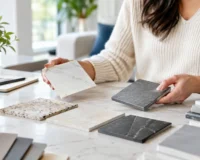
Ordering samples is one of the most valuable steps in the selection process. View them in the room where they will be installed, at different times of day, beside cabinetry, paint, stone, and hardware. A glaze that appears soft and matte under showroom lighting may read differently in strong morning sun, while an unglazed surface may reveal beautiful depth once it is paired with natural timber or brushed metal.
Care That Protects the Finish
For glazed porcelain and ceramic, routine care is straightforward: sweep or vacuum away grit, then clean with a pH-neutral tile cleaner and a soft mop or cloth. Avoid abrasive pads and harsh acidic products that can dull grout or damage adjacent stone and metal finishes.
Dense unglazed porcelain follows a similar routine, although textured surfaces may need a soft brush occasionally to lift dirt from the texture. Porous unglazed materials such as terracotta require more tailored care, including an appropriate sealer and prompt attention to spills. Always follow the recommendations for the specific tile, grout, and sealing system used in the installation.
A considered tile choice should feel right underfoot, hold its beauty through everyday life, and complement the architecture around it. Bring home samples, assess the finish in real light, and choose the surface that makes your space feel as enduring as it looks.