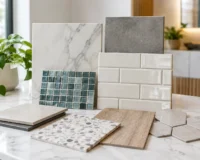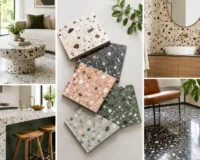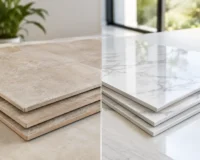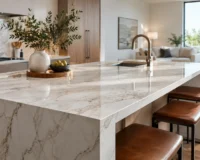
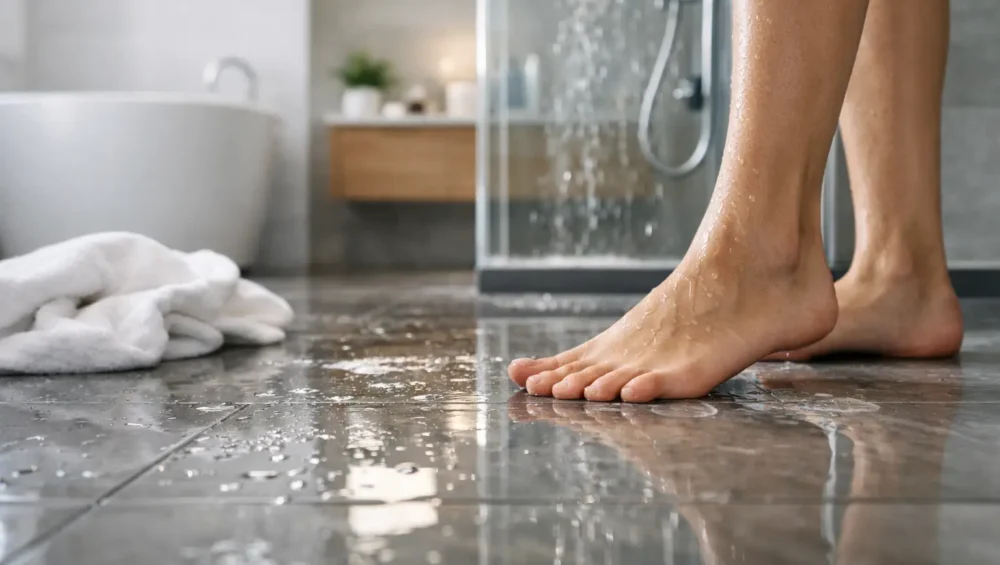
A polished tile floor can make a bathroom feel larger, brighter, and unmistakably refined. But the question homeowners and designers should ask before falling for that mirror-like finish is: are glossy tiles slippery? The honest answer is yes, they can be – particularly when water, soap, or bare wet feet are involved. That does not make glossy tile a poor choice. It simply means its best use is more selective than its luminous appearance might suggest.
Glossy porcelain and ceramic tiles remain a beautiful option for walls, splashbacks, powder rooms, and lower-risk floor areas. The key is balancing the visual effect you want with the level of traction the space requires.
Are Glossy Tiles Slippery When Wet?
Glossy tiles have a smooth, polished surface that reflects light rather than dispersing it. That finish is what gives them their elegant depth and high-end sheen, but it also leaves less texture for shoes or feet to grip. Add a layer of water, shower gel, oil, or pool water, and the surface can become noticeably more slippery.
A dry glossy tile floor is not automatically dangerous. In a low-moisture room, such as a formal powder room or a bedroom with a tiled feature area, it may perform perfectly well. The risk increases where moisture is routine or difficult to control: shower floors, main bathrooms, laundry rooms, pool surrounds, entryways exposed to rain, and commercial spaces with frequent foot traffic.
Slip resistance is not determined by shine alone. It also depends on the tile’s tested slip rating, the profile of the surface, the size of the tile, the grout layout, how the floor is cleaned, and whether the area is usually dry or wet. A glazed tile with a gloss finish may look similar to another at first glance while offering very different practical performance.
Where Glossy Tile Works Best
Used in the right setting, glossy tile delivers a striking, design-led result. It bounces natural and artificial light around a room, enhances richly veined marble-look designs, and gives compact spaces a more open feel. It is also simple to wipe clean, making it a natural fit for vertical surfaces.
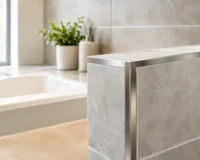
Glossy wall tile is an especially strong choice in showers, bathrooms, kitchens, and laundries. Because walls are not walked on, you can enjoy the finish without compromising underfoot safety. A glossy subway tile, large-format porcelain slab, or polished mosaic can introduce a sense of luxury around a vanity, bath, or kitchen backsplash.
On floors, glossy finishes are most suitable in dry, low-traffic spaces where occupants are unlikely to walk in wet footwear or bare wet feet. A powder room is a common example. Even then, consider the users of the home. A family bathroom used by young children or an accessible bathroom for an older resident calls for a more cautious specification than a rarely used guest powder room.
Spaces Where a Matte or Textured Finish Is Smarter
For wet zones, a matte, structured, or grip finish is usually the more confident choice. These tiles have a fine texture or surface profile that creates additional traction, without sacrificing a considered, premium look.
Shower floors
Shower floors demand the most careful tile selection. They are constantly wet, often soapy, and commonly used barefoot. Smaller mosaics are often ideal here because the greater number of grout joints contributes extra grip and allows the floor to fall neatly toward the drain. Select a tile specifically rated for wet barefoot areas rather than relying on its appearance.
Main bathroom floors and laundries
Bathrooms and laundries experience splashes, condensation, damp towels, and hurried mornings. Matte porcelain offers a sophisticated, understated finish while giving the room a more practical footing. A stone-look or concrete-look surface can deliver visual warmth and depth without the high reflectivity of gloss.
Entryways, patios, and pool surrounds
These areas deal with rain, dirt, wet shoes, and changing weather. Outdoor-rated porcelain pavers or textured tiles are designed for the task and are generally a better investment than a polished surface that needs constant caution. Around pools, where water is inevitable, proper slip resistance is a functional requirement as much as a design decision.
Understanding Slip Ratings Before You Buy
A slip rating provides more useful guidance than simply labeling a tile as glossy, matte, or textured. It reflects testing under particular conditions, helping you compare whether a product is appropriate for a given location.
For residential projects, ask for the tile’s technical specifications and explain exactly where it will be installed. A tile that is suitable for a bathroom wall may not be suitable for a shower floor. Likewise, a tile that performs well in an indoor living area may not be appropriate for an exposed patio.
Commercial projects require even more precision. Hospitality venues, retail entrances, apartment common areas, and food-service settings may need to satisfy project-specific codes, insurance requirements, or accessibility considerations. Your designer, builder, architect, or tile professional should confirm the required performance level before the final selection is approved.
Do not assume that a higher slip-resistance rating is always better in every room. More textured finishes can hold onto dirt more readily and may require more attentive cleaning. The best tile is the one that meets the safety needs of the space while still supporting the desired aesthetic and maintenance routine.
Tile Size and Grout Can Change the Feel Underfoot
Tile format plays a quiet but meaningful role in floor safety. Large-format glossy tiles have fewer grout lines, creating a sleek, uninterrupted surface. This looks beautiful, but it also means there is less grout texture to interrupt a wet foot or shoe.
Smaller tiles, particularly mosaics, have more grout joints. On a shower floor, those joints can improve traction and make the installation more adaptable to drainage slopes. That is why a glossy mosaic might be considered for a wall feature, while a matte or grip mosaic is the more reliable choice beneath the shower.
Grout should never be treated as a substitute for selecting the right tile finish. Still, its presence affects the overall floor surface. A properly installed grout joint adds visual definition, helps manage tile movement, and can offer a modest traction benefit in smaller-format installations.
How to Keep Glossy Tile Floors Safer
If glossy tile is already installed in a space that occasionally gets wet, practical habits can reduce the risk. Keep water off the floor where possible, use a well-placed bath mat outside the shower, and address spills promptly. In an entryway, a durable mat inside and outside the door helps capture water before it reaches the tile.
Cleaning matters, too. Soap residue, waxy cleaners, and oily products can leave a film that makes any tile surface less secure. Use a cleaner recommended for your specific tile and grout, rinse as directed, and avoid products that promise shine enhancement on an already glossy floor.
For households with young children, older adults, or anyone with limited mobility, it is wise to prioritize traction over a high-shine floor finish in wet rooms. A beautifully specified matte porcelain can still feel elevated, especially when paired with glossy wall tile, warm lighting, brushed metal fittings, or expressive natural stone.
A More Considered Way to Use Glossy Tile
The most successful interiors rarely rely on one finish everywhere. Pairing glossy wall tile with a matte floor is one of the easiest ways to create contrast, depth, and a layered luxury feel. The walls catch the light and bring a polished visual moment, while the floor provides the grounded, practical surface the room needs.
This approach also opens up more creative freedom. A luminous zellige-inspired wall tile can sit alongside a soft stone-look porcelain floor. A dramatic polished marble-look slab can frame a vanity, balanced by a tactile mosaic in the shower. Each surface performs the role it is best suited to perform.
Before ordering, view samples in the actual room whenever possible. Light changes the appearance of gloss throughout the day, and touching the tile gives a clearer sense of its surface than a product image alone. Consider the room’s water exposure, who will use it, how it will be cleaned, and the level of visual drama you want to achieve.
A glossy finish deserves its place in a beautifully designed home – just give it the right stage. Reserve its reflective elegance for walls and drier areas, then choose a slip-conscious floor tile that lets every step feel as confident as the space looks.