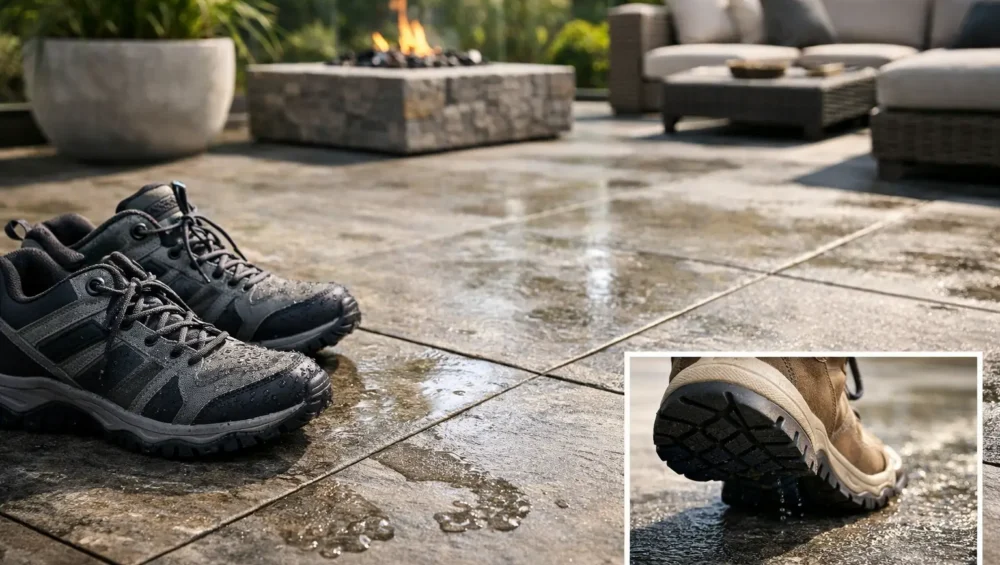
A beautiful patio stops feeling luxurious the moment it becomes slippery after rain. That is why slip resistant outdoor tiles matter so much. They do more than improve safety – they shape how an outdoor space feels to walk on, how it performs through the seasons, and how confidently you can specify a surface for a pool deck, terrace, entry, or entertaining area.
For homeowners and design professionals alike, the challenge is rarely finding an outdoor tile that looks good. The real decision is choosing one that balances texture, durability, maintenance, and visual refinement. The best result is not simply the roughest surface available. It is a tile that feels considered, complements the architecture, and performs exactly where it needs to.
What makes slip resistant outdoor tiles different?
Slip resistance comes down to surface traction. Outdoor tiles are exposed to rain, pool water, dirt, and changing temperatures, so the finish needs to help create grip underfoot. That grip may come from a structured surface, a textured glaze, a matte finish, or the composition of the material itself.
This matters because not all outdoor surfaces behave the same way once wet. A tile that feels perfectly stable in a covered alfresco may be less suitable around a pool. Likewise, a sleek finish that works beautifully on an exterior wall or low-traffic balcony may not be the right choice for steps or sloped walkways.
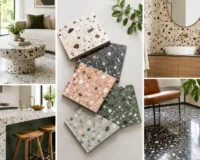
For premium projects, performance should never mean compromising on design. Today’s outdoor collections offer far more sophistication than the old assumption that safety surfaces must look harsh or overly industrial. Stone-look porcelain, concrete-inspired formats, terrazzo visuals, and refined neutrals can all deliver traction while maintaining a polished aesthetic.
Where slip resistance matters most
Not every outdoor area needs the same level of grip. This is where good selection becomes more nuanced.
Pool surrounds are one of the most demanding zones because bare feet, frequent splashing, and sunscreen residue can all affect traction. Entryways also deserve close attention, especially when people are stepping in from wet weather. Pathways, garden steps, courtyards, rooftop terraces, and outdoor dining areas each have their own functional demands depending on slope, drainage, and traffic.
Commercial settings raise the stakes further. Hospitality venues, apartment common areas, and retail exteriors often need surfaces that satisfy both design expectations and stricter safety requirements. In these spaces, product specification is not just a style decision. It is part of risk management.
Understanding finishes, texture, and ratings
When comparing slip resistant outdoor tiles, many buyers focus first on appearance. That is natural, but the technical side deserves equal weight.
Textured finishes generally create more grip than polished ones, though texture can vary widely. Some tiles have a subtle tactile surface that reads as elegant and understated. Others are more pronounced, designed for areas with consistent exposure to water. The right choice depends on the setting and on how comfortable you want the surface to feel under bare feet.
Slip ratings are also important. These ratings help indicate how a tile performs under certain conditions, but they should be interpreted in context. A rating is useful guidance, not a standalone answer. The location, maintenance routine, footwear, drainage, and expected use all influence real-world performance.
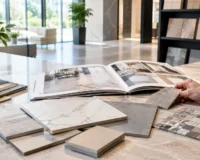
This is one reason samples are valuable. Seeing the tile in person tells you one story. Feeling the surface under hand and foot tells you another. For a premium outdoor project, both matter.
Best materials for slip resistant outdoor tiles
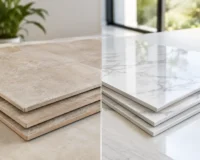
Porcelain is often the first choice for outdoor applications because it combines durability, low porosity, and design flexibility. It can convincingly replicate natural stone, concrete, timber, or terrazzo while offering a consistent finish and relatively easy maintenance. For many residential and commercial projects, outdoor-rated porcelain gives the cleanest balance of style and practicality.
Natural stone has enduring appeal, especially in spaces aiming for warmth, texture, and a more organic finish. Certain stones can perform beautifully outdoors, but they require a more informed approach. Porosity, sealing needs, and sensitivity to weathering vary by stone type. The visual result is often exceptional, but maintenance expectations should be clear from the beginning.
Concrete pavers and thicker exterior tiles also suit many landscapes and entertaining zones, particularly when strength and a grounded architectural look are priorities. These can work especially well in large-format applications where continuity between indoor and outdoor areas is part of the design brief.
The right material is rarely about trends alone. It is about matching the surface to the environment, the level of upkeep the client expects, and the overall character of the project.
How to choose the right outdoor tile for your space
The most successful specifications start with the space itself. Ask what the tile will be exposed to every day. Is the area uncovered? Does it sit around a pool? Will it handle heavy furniture, frequent entertaining, or commercial traffic? Is it visible from interior living spaces where visual continuity matters?
Then consider the experience underfoot. Some outdoor tiles offer a more rugged texture, which can be ideal for wet zones but less comfortable in casual barefoot living areas. Others strike a finer balance, delivering grip in a way that feels more refined. Neither is universally better. It depends on the project.
Scale also changes the look dramatically. Large-format tiles can make terraces and patios feel expansive and contemporary, with fewer grout lines and a more architectural finish. Smaller formats may suit detailed areas, steps, or spaces that benefit from more visual rhythm. Grout color, edge detail, and laying pattern all contribute to the final effect.
For design-led homes, color should work with the wider palette rather than compete with it. Soft stone tones, warm grays, sandy neutrals, and charcoal surfaces remain popular because they feel elevated and versatile. They also tend to age well visually, which matters in outdoor areas that are expected to look current for years.
Style and safety can absolutely coexist
There is a persistent idea that functional outdoor surfaces have to look purely utilitarian. In premium design, that trade-off is no longer necessary.
A well-chosen tile can frame a pool with resort-like polish, give a courtyard a calm architectural tone, or create a seamless transition from kitchen to alfresco. Texture can be subtle. Surface variation can feel natural rather than busy. Even highly practical finishes can still read as luxurious when the format, tone, and detailing are right.
This is where curated selection makes a difference. Instead of sorting through endless generic options, it helps to focus on collections that already combine outdoor performance with elevated design language. At Mecca Tiles, this balance is central to the way outdoor surfaces are presented – premium enough to transform a space, practical enough to live with every day.
Common mistakes to avoid
One of the most common mistakes is choosing based on look alone and assuming all matte tiles are suitable outdoors. Matte does not automatically mean slip resistant, and outdoor suitability should never be guessed.
Another is overcorrecting by choosing an overly aggressive texture for a space that does not need it. A harsh finish may collect dirt more easily or feel less comfortable in a residential setting. Better performance is not always about maximum texture. It is about appropriate texture.
It is also easy to underestimate installation details. Even the best tile can disappoint if drainage is poor, slopes are incorrect, or the grout and substrate are not suited to exterior conditions. A premium surface deserves a properly considered installation.
A smarter way to shop for slip resistant outdoor tiles
When you are investing in an outdoor surface, confidence comes from seeing the tile, understanding the finish, and narrowing options based on actual use. That process should feel inspiring, not complicated.
Start with the area you are designing and the level of exposure it will face. Refine by material, finish, size, and visual style. Order samples if available. Compare textures in natural light. Think about how the tile connects with adjoining spaces, not just how it looks on its own.
Outdoor design works best when beauty and performance are selected together from the start. The right tile should elevate the space at first glance and still feel like the right decision after years of weather, foot traffic, and everyday living.
If you are choosing for a patio, pool, courtyard, or commercial exterior, the smartest move is to look beyond surface appearance and select a finish that delivers confidence with every step. That is where exceptional outdoor spaces begin.