A beautiful entryway has a demanding job. It is the first impression of the home, but it is also where rain-soaked shoes, sandy feet, pet paws, prams, and daily foot traffic arrive. The best flooring for entryways needs to feel considered and luxurious while standing up to the realities of life at the front door.
For most homes, tile is the strongest choice. It offers exceptional durability, easy upkeep, and a breadth of colors, textures, and formats that lets the entry set the design direction for the rooms beyond. The right material, finish, and grout selection matter just as much as the pattern you fall in love with.
What Entryway Flooring Needs to Handle
An entryway floor is exposed to more abrasion and moisture than many interior spaces. Fine grit can act like sandpaper underfoot, particularly near exterior doors. Water can be tracked in during wet weather, while bags, furniture, bicycles, and high heels all place pressure on the surface.
That does not mean the space should look purely utilitarian. A well-chosen floor balances performance with presence. Look for a surface that is hard-wearing, moisture-resistant, easy to clean, and appropriate for the amount of natural light in the space. Slip resistance should also be part of the decision, especially for exposed entrances, pool-adjacent homes, young families, and busy commercial settings.
Best Flooring for Entryways: Porcelain Tile
Porcelain tile is often the leading choice for a high-traffic entryway. Fired at very high temperatures, it is dense, highly durable, and resistant to water absorption. It handles the daily friction of shoes and grit with confidence, making it a polished solution for both family homes and design-led commercial projects.
Its design flexibility is another advantage. Porcelain can deliver the quiet sophistication of limestone, the warmth of timber, the movement of marble, or the architectural simplicity of concrete, without asking for the same level of ongoing care as many natural materials. Large-format porcelain creates a refined, expansive look with fewer grout lines, while smaller tiles can add texture and visual rhythm.
For a front entrance, consider a matte, honed-look, or structured finish rather than a highly polished surface. Polished porcelain can look striking in a formal foyer, but it may show water marks more readily and can be less practical when wet. A matte finish gives the room a softer, more grounded appearance while providing better day-to-day traction.
Ideal porcelain looks for different homes
A pale stone-look porcelain suits coastal, contemporary, and Mediterranean-inspired homes, especially when it continues into open-plan living areas. Concrete-look porcelain brings a tailored, architectural quality to modern interiors. For a more dramatic arrival, deep charcoal, richly veined marble-look porcelain, or large dark slabs can create a sense of scale and luxury.
Wood-look porcelain deserves attention where a homeowner wants the warmth of timber at the threshold without concern about wet shoes or scratches. Used in a plank format, it can carry a warm, natural look from the entry into connected living zones while offering the resilience of tile.
Natural Stone for a Distinctive Arrival
Natural stone creates an entryway with genuine depth and character. Every piece carries variation in tone, veining, and texture, giving the floor a sense of permanence that manufactured finishes cannot fully replicate. Travertine, limestone, marble, bluestone, and granite can all be beautiful choices, depending on the architecture of the home and the level of maintenance desired.
Stone is not one category with one performance profile. Dense stones such as granite are especially durable, while marble offers unmistakable elegance but can be more vulnerable to etching, scratching, and staining. Limestone and travertine bring a soft, organic appeal, though they should be sealed correctly and maintained with stone-safe cleaning products.
A honed or tumbled finish is generally more forgiving in an entryway than a polished stone finish. These surfaces conceal minor marks more easily and often provide better grip underfoot. Natural stone is an excellent choice when the goal is a layered, enduring interior, but it rewards an owner who is comfortable with natural variation and occasional maintenance.
Patterned, Mosaic, and Terrazzo Tile for Character
If the entryway is compact, it can be the ideal place to make a bolder design decision. Patterned tile gives a small foyer a memorable identity, framing the transition from outdoors to indoors with color and geometry. It works particularly well in heritage homes, Mediterranean schemes, and spaces where the rest of the palette is calm and restrained.
Mosaic tile offers a similar opportunity, especially in a border, inset, or defined landing area. Smaller formats create more grout lines, which can improve slip resistance, but they also require more detailed cleaning. Choose a grout color that supports the overall design while being practical enough for a hard-working threshold.
Terrazzo is another elevated option for entryways. Its distinctive aggregate surface feels both timeless and current, pairing beautifully with timber joinery, brass details, and sculptural lighting. Porcelain terrazzo-look tiles offer a lower-maintenance alternative to poured terrazzo while retaining its graphic, richly layered appeal.
Why Timber and Hybrid Flooring Need Careful Planning
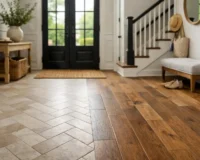
Timber floors can make an entry feel warm and welcoming, particularly in a home with a continuous timber floor throughout. However, a direct exterior entry is one of the toughest locations for real timber. Moisture, grit, and repeated abrasion may damage coatings or leave marks over time.
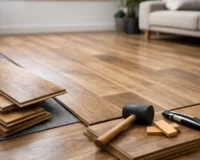
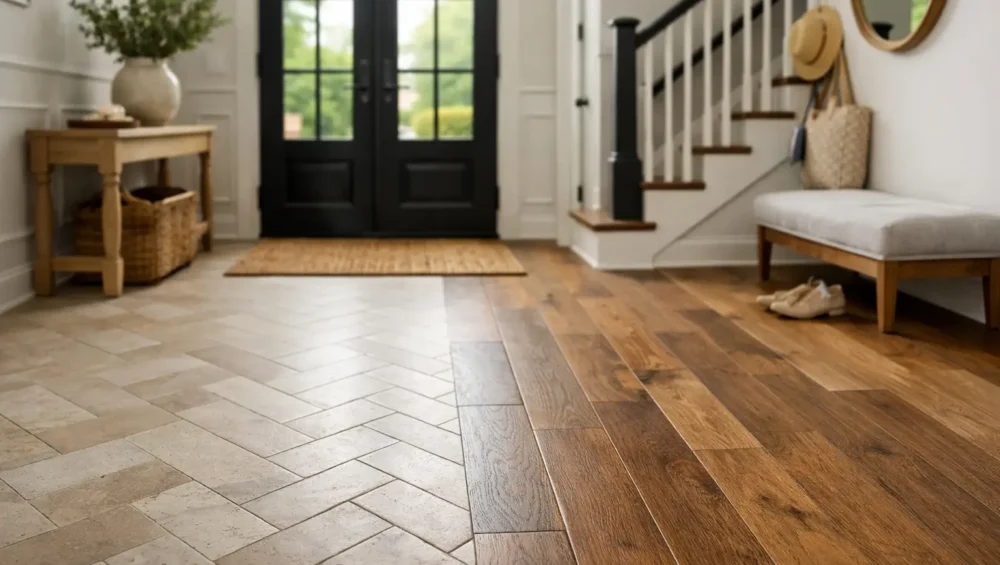
Hybrid timber flooring is more resistant to water and practical for many busy households, but it still has limitations at a threshold. Standing water, uneven subfloors, and poor installation can compromise performance. If you love the look of timber, consider using porcelain or natural stone in a defined entry zone, then transitioning to timber or hybrid flooring beyond it. This gives the home a purposeful arrival point and protects the more delicate surface.
Choose the Right Finish, Format, and Grout
The best material can still disappoint if the supporting details are overlooked. For entryways, a lower-sheen finish is usually the most practical choice. It is better at disguising dust, footprints, and minor surface marks than a glossy finish, and it often feels more relaxed and contemporary.
Tile size should respond to the proportions of the room. Large-format tiles can make a generous foyer feel calm and expansive. In a narrow hallway, rectangular tiles laid lengthwise can emphasize the room’s scale. Smaller formats, mosaics, and patterned tiles are often most successful when the entry is treated as a distinct design moment rather than an extension of a large open area.
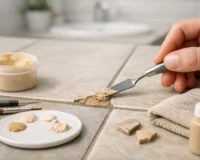
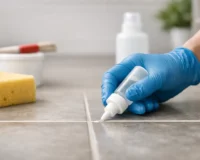
Grout deserves more attention than it usually receives. Very light grout can look crisp, but it may show dirt quickly at an active front door. A mid-tone grout often offers the best balance, defining the tile layout without becoming the focal point. Quality installation, suitable movement joints, and correct substrate preparation are essential for a result that performs as beautifully as it looks.
A Practical Way to Make the Final Choice
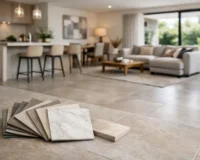
Before committing, take samples home and view them at different times of day. Entryways are often affected by sharp sunlight, shaded porches, or limited interior light, and each condition changes how a surface reads. Place samples near the door, against wall colors, joinery, and any adjoining flooring.
Think honestly about how the entrance is used. A formal front door used only for guests has different needs from the everyday family entrance where sports bags and muddy boots land. In a high-use setting, a slip-resistant porcelain with a subtle pattern or stone-look variation is usually a confident investment. In a low-traffic foyer, natural stone or a polished decorative tile may be worth the extra care.
The right entryway floor should make daily life easier without fading into the background. Start with a durable surface, choose a finish suited to your conditions, and let the color, scale, and texture create an arrival that feels distinctly yours. Ordering samples from a curated collection, such as Mecca Tiles, is a simple way to see that balance of performance and design in your own light before the project begins.