A beautiful outdoor surface has to do more than photograph well. It must feel comfortable underfoot, handle rain and heat, suit the architecture, and continue looking considered after years of entertaining, pool days, and daily traffic. When weighing pavers vs outdoor tiles, the right choice comes down to the space beneath your feet, the conditions around it, and the finish you want to carry through your home.
Both options can create a high-end exterior. The distinction is not simply traditional versus contemporary, nor practical versus beautiful. Premium pavers and outdoor tiles now offer an exceptional range of colors, textures, formats, and performance qualities. The key is selecting the surface system that works with your project rather than forcing a look into the wrong environment.
Pavers vs Outdoor Tiles: The Essential Difference
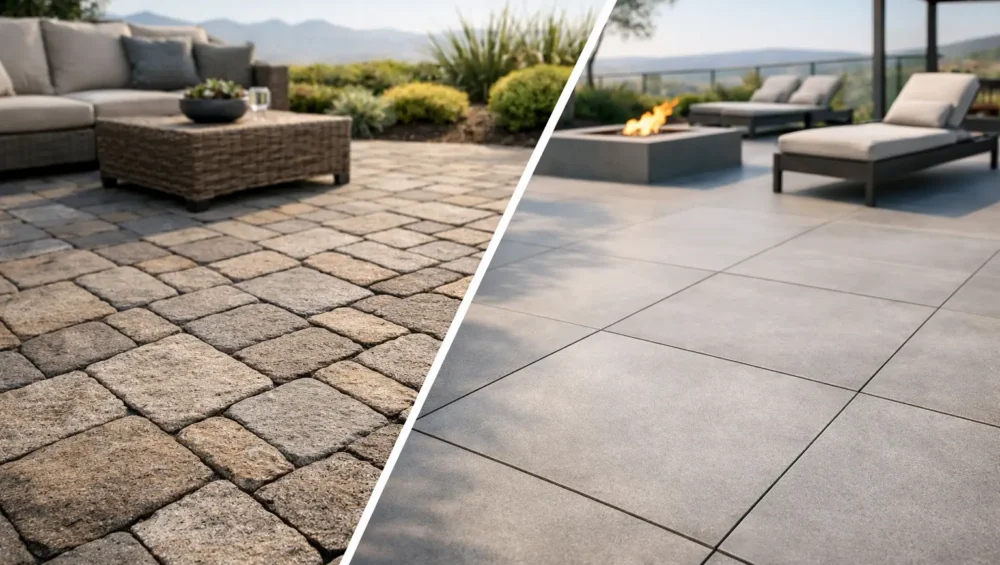
Pavers are typically thicker individual units designed to sit on a prepared sand or gravel base, pedestal system, or mortar bed. They may be made from concrete, natural stone, clay, or thick porcelain. Their generous thickness and modular installation make them a natural fit for garden paths, driveways, courtyards, and areas where drainage or ground movement is a consideration.
Outdoor tiles are generally installed over a stable concrete slab using exterior-rated adhesive and grout. Porcelain is a leading choice because it is dense, low-absorption, easy to maintain, and available in sophisticated stone, concrete, timber, and terrazzo-inspired looks. Natural stone tiles also bring depth and individuality, although their sealing and care requirements vary by stone type.
The dividing line is not always sharp. A 20 mm porcelain paver, for example, delivers the refined visual continuity of tile with the thickness and installation flexibility associated with pavers. This makes it an appealing option for design-led projects that move from an indoor floor to a patio, pathway, or pool surround.
Choose Based on the Surface Below
The existing base often makes the decision clearer before color or pattern enters the conversation.
If your patio or balcony already has a structurally sound concrete slab, outdoor tiles can be an elegant and efficient solution. A professional installer can create a clean, level finish with narrow joints, allowing the surface to read as one continuous plane. This is particularly effective for contemporary terraces, covered alfresco zones, and entertaining areas where you want a tailored architectural feel.
For a new garden path, freestanding courtyard, or outdoor area with no slab, pavers are usually the more logical route. They can be laid over a compacted base that allows water to move through the joints and into the ground below. Should a section settle or become damaged, individual pavers can often be lifted and reset without disturbing the entire area.
Pedestal systems offer another option for thick porcelain pavers and certain stone pavers. They are especially useful on rooftops, balconies, and decks where drainage beneath the finished surface is required. This method should always be designed around load limits, waterproofing, edge restraint, and drainage details.
What About Ground Movement?
Pavers generally tolerate minor movement better than tiles installed directly over a slab. In regions with freeze-thaw cycles, expansive soils, or significant seasonal shifts, a flexible paver installation can reduce the risk of cracking caused by movement below.
That does not mean tiles are unsuitable outdoors in variable climates. It means the substrate preparation, drainage, movement joints, adhesive, and tile rating must be correct. A premium porcelain tile installed to exterior specifications can perform beautifully for years, but the installation details are not a place to compromise.
Design: Continuous Luxury or Textural Character
Outdoor tiles excel when visual flow is the priority. Selecting the same or a complementary porcelain surface for an interior living area and adjacent patio can make the home feel larger and more connected. Large-format tiles with a matte, slip-resistant finish create a crisp, composed setting for outdoor furniture, greenery, and architectural lighting.
Pavers bring a different kind of richness. Their joints create rhythm, texture, and a sense of permanence that suits landscape-focused spaces. Tumbled stone, clay pavers, and textured concrete styles can feel warm, grounded, and beautifully at home beside planting beds, rendered walls, or a classic façade.
Format matters as much as material. Large pavers can deliver a minimal, modern look, while smaller formats create more visual movement and grip. Patterned layouts, such as stacked bond, running bond, or French pattern stone, can shape the character of an exterior without introducing additional colors.
For pool surrounds, consider the wider visual composition. A pale limestone-look porcelain may give a resort-inspired calm with less maintenance than some natural stones. A honed natural stone paver can provide unmistakable organic variation, but it may require sealing and more attentive care. Neither is automatically better. The right selection should reflect the desired aesthetic, budget, exposure, and maintenance expectations.
Safety, Heat, and Water Underfoot
An outdoor surface should be selected with real use in mind. A beautiful finish beside a pool is only successful if it offers suitable slip resistance when wet. Likewise, an entry path should remain secure during rain, and a dining terrace should be comfortable for bare feet in warm weather.
Look for exterior-rated surfaces with an appropriate slip-resistant texture. Pool decks, sloped areas, and frequently wet zones usually need greater grip than a covered patio. Texture should feel intentional rather than harsh: refined grip can preserve a premium look while offering more confidence underfoot.
Heat is another important consideration, particularly in sunny climates. Lighter colors typically absorb less heat than dark charcoal or black surfaces, although material density, finish, local weather, and direct exposure all affect how warm a surface becomes. Order samples, place them in the intended location, and assess them at different times of day. It is one of the simplest ways to make a more assured choice.
Drainage deserves equal attention. Paver joints can naturally support surface drainage when the base is designed correctly. Tiled patios need carefully planned falls that direct water away from the home and prevent pooling. Neither system can compensate for poor drainage design.
Maintenance and Long-Term Value
Porcelain outdoor tiles are among the lowest-maintenance premium options. Their nonporous composition resists staining, moisture absorption, and fading, while routine cleaning is usually straightforward. Grout lines still need periodic attention, especially in exposed areas, but a quality exterior grout and thoughtful joint color can keep upkeep manageable.
Natural stone pavers and tiles offer a distinct, enduring beauty, but they require a more involved care plan. Depending on the stone, sealing may be needed to reduce moisture absorption and staining. Some stones develop a patina over time, which many homeowners value as part of their character. Others prefer the consistency and easy-care appeal of porcelain.
Concrete and clay pavers can be durable, cost-effective choices for expansive outdoor areas. Their appearance can evolve with weathering, and they may benefit from occasional cleaning, resealing, or replacement of individual units. A high-quality installation with proper edge restraints will have a major effect on how well the surface holds its line over time.
Long-term value is not only about the initial square-foot cost. Factor in site preparation, installation complexity, waterproofing, drainage, sealing, expected maintenance, and the cost of future repairs. An economical material can become expensive if it is poorly matched to the site. Conversely, a premium surface chosen for the right conditions can elevate the property and reduce replacement decisions later.
Where Each Option Performs Best
Pavers are often the stronger choice for pathways, garden courtyards, driveways, and ground-level patios built without an existing slab. They are also well suited to projects seeking a tactile, landscape-integrated finish or an installation that can accommodate slight movement.
Outdoor tiles are particularly compelling for covered patios, concrete terraces, balconies, and pool areas with a stable substrate. They suit projects where a clean architectural finish, larger formats, coordinated indoor-outdoor design, and low-maintenance performance are high priorities.
Thick porcelain pavers occupy a valuable middle ground. They can be laid on a sand-and-gravel base, installed on pedestals, or adhered to concrete depending on the product and site requirements. For homeowners and designers who want the contemporary precision of porcelain without limiting installation options, this category is worth serious consideration.
Make the Final Selection With Samples
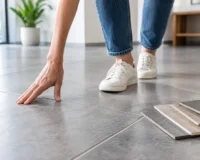
A sample reveals what a screen cannot: undertone, texture, scale, and how the finish responds to sunlight. View several options against exterior cladding, landscaping, pool coping, and furniture materials. A warm gray that feels elegant indoors may appear cool beside sandstone, while a cream-toned surface may create a softer transition from the house to the garden.
Ask your installer to confirm substrate suitability, drainage requirements, expansion joints, slip rating, and the recommended setting materials before placing an order. This step protects both the finish and the investment.
The most memorable outdoor spaces do not choose between performance and beauty. They bring the two together in a surface that feels right from the front path to the final evening spent outdoors.