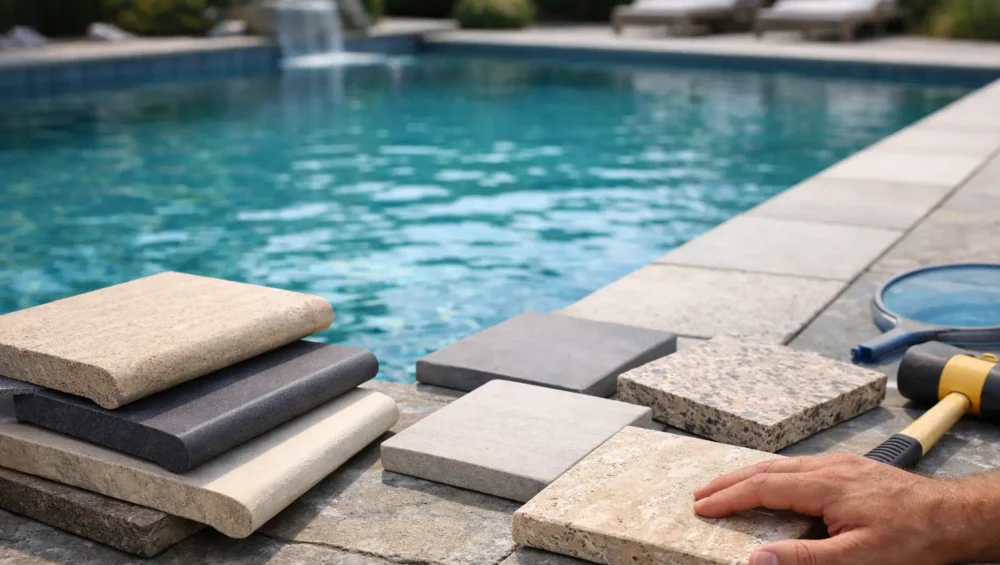
The pool edge is where bare feet, water, sunlight, and architecture meet. Knowing how to select pool coping tiles means looking beyond a beautiful color or profile: the right choice must feel secure underfoot, manage water well, complement the pool interior, and retain its finish through years of heat, splashes, and outdoor living.
Coping is the finishing surface that caps the pool shell. It frames the waterline, creates a practical transition to the surrounding deck, and has an outsized influence on how refined the entire space feels. Whether your project calls for crisp contemporary porcelain, softly honed natural stone, or a sculptural bullnose edge, the best result starts with choosing for performance and then refining the design.
Start With the Pool’s Setting
A coping tile that performs beautifully in a sheltered courtyard may not be the right fit for an exposed, sun-drenched pool. Begin by assessing the conditions around the pool: direct sun, prevailing weather, nearby trees, salt exposure, and the amount of foot traffic the edge will receive.
In hot climates, surface temperature matters. Dark, dense materials can become uncomfortably warm under intense sun, while lighter tones and certain natural stones may feel more forgiving. This does not mean every pool needs pale coping. A deep charcoal or dramatic stone edge can be striking, but it should be considered alongside shade structures, landscaping, and how the pool is used at the hottest part of the day.
Saltwater pools also deserve careful material selection. Salt, chlorinated water, sunscreen, and cleaning products place ongoing demands on the coping surface and grout. Choose a material specified for pool surrounds, and confirm that its finish and installation system are suitable for your pool type. A premium surface is only as dependable as its suitability for the environment.
Choose a Material That Balances Beauty and Performance
There is no single best pool coping material. The right option depends on the look you want, the level of maintenance you accept, and the practical demands of the site.
Porcelain coping
Porcelain is a compelling choice for clean-lined, contemporary pools. It is dense, low-porosity, color-consistent, and generally easy to maintain. Many collections offer matching pavers, allowing the coping and deck to read as one continuous architectural surface. This creates an especially polished effect in modern outdoor schemes.
Look for pool-rated porcelain with an appropriate exterior slip-resistance classification and a purpose-designed coping profile. A full-body or high-quality porcelain product can also offer the visual character of stone, concrete, or terrazzo with a more predictable maintenance routine.
Natural stone coping
Natural stone brings depth, tonal movement, and a sense of permanence that manufactured surfaces rarely replicate exactly. Travertine, limestone, granite, and sandstone can each create a distinct mood, from relaxed Mediterranean warmth to restrained coastal luxury.
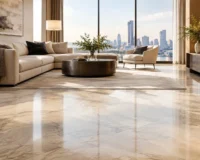
The trade-off is variation and care. Natural stone requires the right sealer, thoughtful cleaning, and a finish suited to wet areas. Some stones are more porous or more sensitive to certain chemicals than others. Honed, brushed, or lightly textured finishes often provide a more practical balance than highly polished stone, which can become slippery when wet.
Concrete-look and stone-look surfaces
For projects seeking a quiet, architectural palette, concrete-look porcelain and engineered stone-look options offer visual simplicity without sacrificing impact. These surfaces work well with timber, rendered walls, black pool fencing, and minimalist planting. Their strength lies in restraint: the coping supports the overall composition rather than competing with the water.
Prioritize Grip Without Choosing a Rough Surface
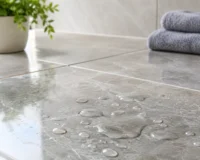
Pool coping must provide confident footing when wet. Yet slip resistance is not simply about selecting the roughest possible tile. An overly abrasive finish can be uncomfortable on bare feet, difficult to clean, and visually at odds with a refined pool design.
Aim for a pool-appropriate textured, honed, brushed, or matte finish that offers grip while still feeling pleasant underfoot. Ask how the material performs when wet, not just how it feels dry in a showroom. Surface treatments can change the tactile experience substantially, particularly with natural stone.
The edge profile also contributes to safety. A rounded bullnose can soften the pool perimeter and feel comfortable to hold, while a square edge creates a sharper, more contemporary line. Both can work well when correctly detailed. What matters is that the profile is purpose-made for coping, securely installed, and coordinated with the pool shell and surrounding paving.
Think About Water Management Before Style Details
Beautiful coping can still cause problems if water is not directed away from the pool. The surrounding pavement should be graded carefully so runoff moves toward suitable drainage rather than pooling against the pool edge, washing debris into the water, or creating persistently slick areas.
Coping often includes a small overhang toward the pool, designed to help water return to the pool rather than trail onto the exterior face. The exact detail varies by pool construction, tile thickness, and chosen profile. This is where coordination between the pool builder, tiler, and landscape contractor matters. Decide on the coping early enough that its thickness, fall, joints, and edge treatment can be resolved before installation begins.
Expansion and movement joints are equally important. Outdoor surfaces expand and contract with temperature changes, and pool structures can move differently from adjacent decks. Appropriate joints and flexible sealants are not visual compromises. They are part of a long-lasting, professionally finished installation.
Match the Coping to the Waterline and Deck
Coping can either create a distinct frame around the pool or blend almost invisibly into the surrounding surface. Both approaches can look exceptional.
A contrasting coping tile gives the pool a defined outline. Pale limestone around deep blue water feels timeless and luxurious, while a charcoal porcelain edge can make aqua water appear brighter and more contemporary. Contrast also helps visually identify the pool boundary, which can be useful for safety and navigation.
A coordinated coping and paver combination delivers a more expansive, resort-style effect. Large-format porcelain pavers with matching mitred or bullnose coping create visual flow from terrace to water. This approach suits streamlined architecture and smaller spaces, where fewer material changes can make the area feel larger.
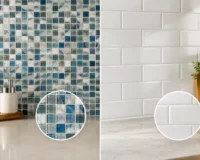
Do not judge the coping in isolation. Consider it against the waterline tile, pool interior, exterior wall finishes, cabinetry or outdoor kitchens, and the landscape palette. Water changes the perceived color of every surface nearby. A warm beige may read golden beside blue mosaic, while the same material can look cool and gray next to green planting and dark stone.
How to Select Pool Coping Tiles by Size and Profile
The tile size should support the geometry of the pool. Long rectangular coping pieces emphasize linear pools and create fewer joints along the edge. Smaller modules can be more adaptable around curves, steps, spas, and irregular shapes. For a curved pool, purpose-made radius pieces may deliver a cleaner result than forcing straight tiles into tight cuts.
Consider the visible joints, too. Large-format coping creates a calm, continuous appearance, but it requires a flat, accurately prepared substrate and careful handling. Smaller-format material can introduce more grout lines, which may suit a traditional, textured, or handcrafted aesthetic.
Before ordering, confirm the dimensions of the chosen coping pieces, corner units, return edges, and any matching stair or spa details. A collection may look complete on a sample board but require specific accessory pieces to finish the pool perimeter elegantly. Planning these details prevents last-minute substitutions that disrupt the design.
Order Samples and View Them Outdoors
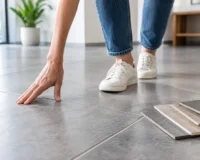
A small sample can reveal what product photography cannot: undertones, texture, edge detail, and how the surface behaves in changing light. Place samples beside the pool finish, outdoor furniture, and any existing paving. View them in morning sun, full afternoon light, shade, and after they have been wet.
This is particularly valuable for natural stone, where shade variation is expected, and for porcelain, where a color can appear noticeably different outdoors. Order enough samples to compare options side by side rather than deciding from memory. At Mecca Tiles, sample-led selection is a practical way to narrow a premium range with greater confidence.
When reviewing samples, assess four things together:
- Is the surface comfortable and secure under bare wet feet?
- Does the color complement the water, rather than dull or overpower it?
- Will the finish suit the site’s sun, salt, and maintenance demands?
- Are matching coping profiles, corners, and pavers available for a resolved finish?
Invest in Installation Details That Protect the Finish
Even the finest coping tiles cannot compensate for poor preparation or incorrect adhesive, grout, and waterproofing choices. Use experienced pool and exterior tiling professionals who understand substrate preparation, movement joints, and material-specific installation requirements.
Natural stone may need sealing before and after installation, depending on the product and application. Porcelain may need less ongoing protection, but its joints and surrounding surfaces still require regular care. Avoid harsh cleaners unless they are approved for the coping material and pool environment. Routine rinsing, prompt removal of leaf tannins or spills, and periodic maintenance preserve the surface’s original character.
The most successful pool coping does more than finish an edge. It gives the water a considered frame, makes every entry and exit feel secure, and connects the pool to the rest of the outdoor design. Choose a surface you want to see in full sun, touch with bare feet, and live with through every season – that is the detail that turns a pool into a complete outdoor retreat.