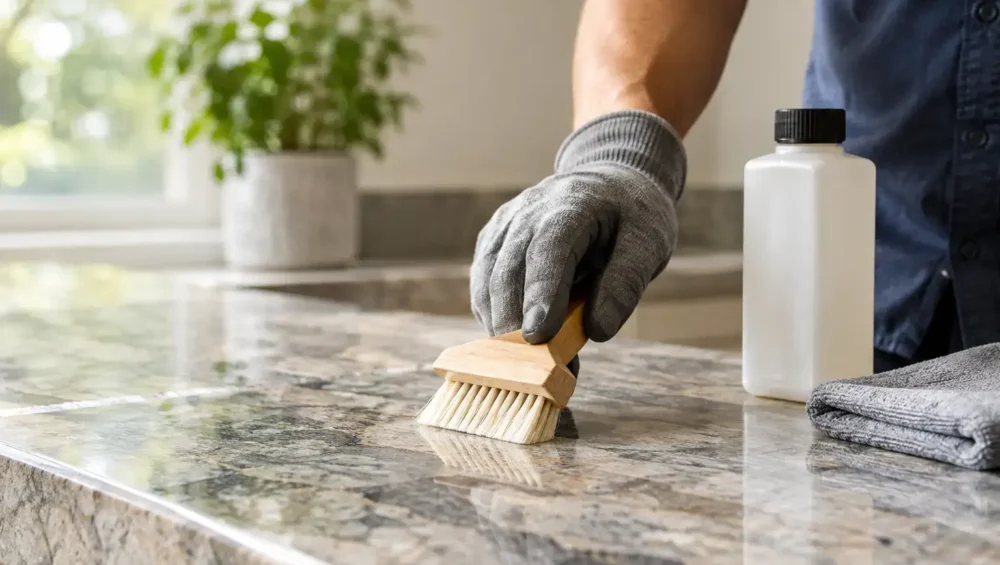
Natural stone earns its place through character that manufactured surfaces cannot quite replicate: soft veining in marble, the warmth of travertine, the quiet texture of limestone, or the mineral depth of slate. This guide to natural stone sealing helps protect that investment without obscuring the finish that made you choose it. The right sealer can make everyday living easier, but the wrong product – or the wrong application – can leave a premium surface looking patchy, overly glossy, or poorly protected.
Why Natural Stone Needs Sealing
Most natural stone is porous to some degree. Tiny openings in the surface can absorb water, cooking oils, wine, cosmetics, soap residue, and outdoor grime. Once these materials penetrate the stone, they can create stubborn stains or encourage moisture-related issues in wet areas.
Sealing does not make stone indestructible, nor does it remove the need for considered care. It is a protective treatment that reduces absorption and gives you more time to wipe up spills before they become a problem. For kitchens, bathrooms, entryways, patios, and commercial spaces, that extra margin can preserve the surface’s refined appearance over years of use.
The need for sealer depends on the stone, its finish, and where it is installed. A honed marble vanity, for example, benefits from a penetrating sealer because it sees water, skincare products, and makeup. Dense granite may require less frequent treatment. Textured outdoor slate can need protection from weathering and staining, but it also needs a product suited to UV exposure and changing temperatures.
A Guide to Natural Stone Sealing by Stone Type
Before selecting a sealer, identify both the stone and the finish. Polished, honed, tumbled, brushed, and split-face surfaces absorb products differently. A sample tile is a useful place to test the result before treating an entire floor, wall, or countertop.
Marble
Marble is a classic choice for bathrooms, kitchens, fireplaces, and statement floors. It is also calcium-based, which means acidic products such as lemon juice, vinegar, and many conventional bathroom cleaners can etch its surface. Sealer helps with staining, not etching. Choose a high-quality penetrating or impregnating sealer, and clean with a pH-neutral stone cleaner rather than relying on the sealer to solve every maintenance concern.
Travertine and Limestone
Travertine and limestone bring a warm, architectural quality to interiors and outdoor living areas. Their naturally open structure means they commonly benefit from sealing, especially when used as flooring, splashbacks, shower walls, or poolside paving. Filled and honed travertine may absorb less than an unfilled tumbled finish, but both should be assessed individually.
For a natural, understated result, use a penetrating sealer that does not alter the color. If you prefer the deeper, freshly wet appearance often seen in outdoor stone, consider an enhancing sealer only after testing it on a spare piece. Enhancers can enrich color beautifully, but the change is usually permanent and may make future touch-ups more noticeable.
Slate
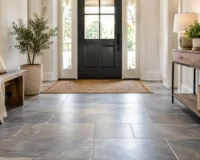
Slate ranges from relatively dense to highly absorbent, depending on its composition. It often has a textured surface and layered cleft that can hold dust, dirt, and excess sealer. Penetrating sealers are generally a strong choice for a natural finish, while color-enhancing products can bring out richer charcoal, rust, green, or blue tones.
Avoid building a thick topical coating on textured slate unless the product is specifically designed for that purpose. Surface coatings can wear unevenly in traffic areas, create a plastic-like sheen, and become difficult to remove later.
Granite, Quartzite, and Other Dense Stones
Granite and quartzite are often selected for their durability, particularly for countertops and high-traffic floors. Their density can make them less absorbent than marble or limestone, but “less absorbent” does not always mean “no sealer needed.” Perform a simple water test, and follow the supplier’s recommendation for the exact material.
A few drops of water that darken the stone within several minutes suggest the surface is absorbing moisture and may benefit from sealing. If the water beads and leaves no darkening, existing protection may still be effective.
Choose the Right Type of Sealer
For most residential stone applications, a penetrating sealer is the preferred option. It moves below the surface to reduce absorption while allowing the stone to breathe. The appearance remains close to natural, which suits the elegant, tactile character of premium stone.
Enhancing sealers also penetrate the stone but intensify color and visual depth. They can be especially effective on tumbled travertine, slate, and certain outdoor pavers where a richer finish supports the overall design. Test first, preferably on multiple pieces, since natural variation can produce different results across a batch.
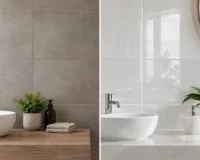
Topical sealers form a protective layer on the surface. They can add sheen and may be specified for particular commercial or decorative applications, but they are not the default choice for every stone installation. In wet rooms, outdoor spaces, and busy floors, a film-forming product can affect slip resistance or show wear more readily than a penetrating treatment.
Always confirm that the sealer is compatible with the stone, location, and finish. An indoor countertop product is not automatically suitable for an exterior patio, a shower, or a pool surround.
How to Seal Natural Stone Correctly
Timing matters. Newly installed stone and grout must be fully cured and completely dry before sealing. Moisture trapped beneath a sealer can cause hazing, uneven absorption, or a weakened result. Refer to the installation materials and sealer instructions for curing guidance rather than assuming the surface is ready after a day or two.
Start by cleaning the stone with a product made for natural stone. Remove dust, adhesive residue, grout haze, oils, and old surface treatments before applying new sealer. Do not use vinegar, bleach, or acidic cleaners on calcium-based stone such as marble, limestone, or travertine.
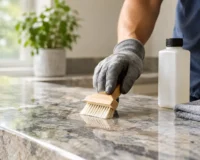
Apply the sealer evenly with a clean microfiber cloth, applicator pad, brush, or roller, depending on the surface texture and product directions. Work in manageable sections so the product does not dry on the surface. Allow it to dwell for the specified time, then wipe away every trace of excess with clean, dry cloths.
This final wipe is where many DIY applications go wrong. Sealer that dries on top of stone can leave streaks, dull patches, or a sticky residue. More product does not equal more protection. The stone should absorb what it needs; anything remaining on the surface should be removed before it cures.
Porous stone may need a second coat, applied while the first coat is still within the manufacturer’s recommended recoat window. Let the surface cure fully before exposing it to water, foot traffic, food preparation, or cleaning products.
How Often Should You Reseal Stone?
There is no single calendar rule. Some surfaces need attention every year, while a dense indoor stone may remain protected for several years. Usage matters as much as material. A busy kitchen island, a family bathroom floor, and an uncovered patio face very different demands.
Instead of resealing on habit, test the surface periodically. Place a few drops of water in an inconspicuous area and watch for darkening over several minutes. On a countertop, you can also test with a drop of cooking oil, then clean it promptly. If the stone darkens quickly or absorbs the liquid, it may be time to reseal.
Remember that grout may absorb moisture faster than the stone itself. In a tiled shower or floor, inspect both materials and use a treatment appropriate for each.
Keep the Finish Looking Considered
Sealer works best alongside practical daily care. Wipe spills promptly, particularly red wine, coffee, oils, citrus, and strongly pigmented foods. Use coasters, trivets, and cutting boards on stone countertops. In entryways and outdoor areas, mats can reduce abrasive grit before it reaches the surface.
For cleaning, choose a pH-neutral product formulated for natural stone and avoid abrasive pads. Regular sweeping or vacuuming with a suitable hard-floor attachment helps protect the finish from fine particles that can gradually dull it. In showers, a quick squeegee after use reduces mineral buildup and makes deep cleaning far less frequent.
Natural stone is not meant to look artificial or untouched forever. A gentle patina can be part of its appeal, especially in lived-in kitchens and relaxed outdoor settings. With the right sealer and a thoughtful maintenance routine, that patina develops as character rather than damage – allowing your surface to remain an elegant foundation for the space around it.