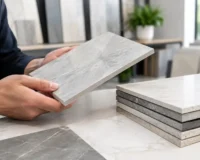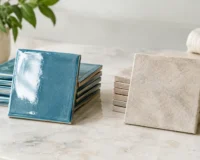
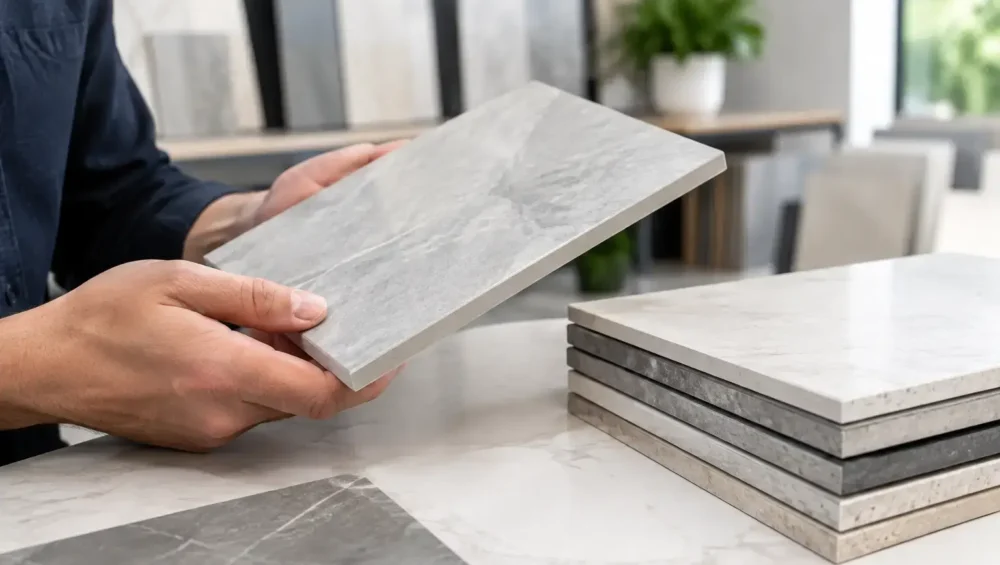
A porcelain tile can look beautifully refined in a showroom or sample box, but its performance is determined well before the color, vein, or finish takes center stage. Porcelain tile thickness influences how a surface feels underfoot, how it handles daily traffic, the preparation required beneath it, and whether it is suited to a wall, a busy kitchen floor, or an outdoor entertaining area.
For a premium result, thickness should never be selected in isolation. Tile format, installation method, subfloor condition, grout joint, and the intended use of the space all matter. The right specification creates a finish that looks considered from every angle and performs with confidence for years to come.
Why Porcelain Tile Thickness Matters
Thickness affects more than the tile’s ability to resist impact. It changes the weight of the material, the height it adds to a finished floor, the way it is cut and handled, and the type of adhesive bed an installer may require. A thicker tile is not automatically the better tile, but it can be the more appropriate choice when the surface will carry higher loads or sit outdoors.
For interior residential floors, standard porcelain is engineered to deliver excellent strength while retaining the elegant profiles favored in contemporary homes. On walls, a slimmer tile can be a practical and visually graceful option, especially for expansive bathroom or kitchen surfaces. Outside, a substantially thicker porcelain paver may be designed for patios, pathways, pool surrounds, and pedestal systems.
The distinction is particularly valuable during renovations. If new tile must meet existing timber flooring, stone, carpet, cabinetry, or door thresholds, a few millimeters can affect the overall finish. Planning thickness early helps avoid awkward transitions and preserves the clean, tailored lines that make a space feel complete.
Common Porcelain Tile Thicknesses
While specifications vary by collection and manufacturer, porcelain tile typically falls into a few useful categories. Always confirm the exact product data before ordering, as a nominal thickness can differ slightly between styles and formats.
Around 6 mm: sleek walls and large-format surfaces
Slim porcelain, often around 6 mm thick, is frequently used for walls and select interior applications. It is especially appealing in large-format designs, where fewer grout lines allow marble-look, concrete-look, and softly textured finishes to read as one continuous surface.
A thinner tile can reduce weight on vertical installations and create a polished, contemporary profile. It is not, however, a shortcut around proper preparation. Large slim panels demand an exceptionally flat substrate, appropriate adhesives, careful handling, and an installer familiar with the material. Depending on the product’s rating and installation requirements, 6 mm porcelain may also be suitable for certain floors, but it should not be assumed to suit every high-impact setting.
Around 8-10 mm: the versatile interior standard
For many residential and light commercial floors, porcelain in the 8-10 mm range offers an excellent balance of durability, visual refinement, and installation flexibility. This is a common choice for kitchens, living areas, bathrooms, laundries, hallways, and bedrooms.
At this thickness, porcelain can support a broad range of formats, from classic squares and timber-look planks to generous contemporary rectangles. It provides the reassuring solidity homeowners expect from a premium floor while keeping buildup manageable in most renovation projects. A well-made 9 or 10 mm porcelain tile can be an exceptional performer when it is installed over a sound, properly prepared base.
Around 12 mm: added substance for demanding interiors
Porcelain around 12 mm thick is often chosen where a more substantial tile is desired, including high-traffic interiors, commercial settings, and projects where a heavier visual presence suits the design. It can also work beautifully for coordinating floors, steps, and custom details, provided the collection offers the necessary trims or fabrication options.
The trade-off is weight and height. Thicker tiles require thoughtful planning around transitions and may increase installation labor. Yet for a grand entry, busy retail environment, or design scheme built around tactile, architectural surfaces, the added depth can be worth it.
Around 20 mm: outdoor porcelain pavers
Twenty-millimeter porcelain pavers are purpose-built for exterior use. Their extra thickness makes them well suited to patios, terraces, garden paths, courtyards, and poolside zones when the selected product is rated for those applications. Many can be installed over a prepared mortar bed, gravel and sand base, or adjustable pedestal system, depending on the site and product guidance.
Outdoor porcelain is valued for its low absorption, resistance to fading, and ability to deliver a refined stone or concrete aesthetic with less ongoing maintenance than many natural materials. Thickness alone does not make a tile outdoor-ready, though. Slip resistance, drainage, frost exposure in colder regions, and the installation system must all be considered.
Choosing Porcelain Tile Thickness by Space
The most effective choice begins with how the room will be used. A powder room wall does not need the same specification as a restaurant entrance, and a pool deck has entirely different demands from a bedroom floor.
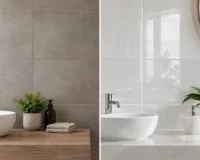
For bathroom walls, a slim or standard-thickness porcelain tile can create a calm, continuous backdrop without adding unnecessary weight. Larger formats are particularly striking behind a vanity or inside a shower, where reduced grout lines support a more luxurious, spa-like effect. In wet areas, waterproofing and correct installation matter more than choosing the thickest available tile.
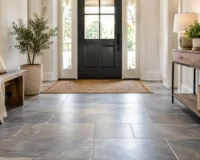
For kitchens, living spaces, and hallways, standard 8-10 mm porcelain is often the natural choice. These areas benefit from a durable, easy-care surface that can stand up to foot traffic, pets, dropped cookware, and the everyday rhythm of family life. Consider a finish with sufficient slip resistance for the room, particularly near entries and sinks.
For exterior entertaining spaces, 20 mm porcelain pavers provide the strength and presence needed for a long-lasting installation. Choose a finish designed for wet conditions around pools and prioritize drainage from the start. A luxurious outdoor area should feel effortless to enjoy, not difficult to maintain.
Commercial projects need a closer reading of the specification. A boutique retail floor, hospitality venue, office lobby, or café may require porcelain that meets project-specific loading, slip, and code requirements. The best choice balances visual impact with the realities of traffic, cleaning routines, and expected wear.
Installation Details That Shape the Result
Even a premium porcelain collection will only perform as well as the surface beneath it. The substrate must be stable, clean, and sufficiently flat for the tile format. Larger tiles are less forgiving of uneven floors because small variations can create lippage, where adjoining tile edges sit at different heights.
Tile thickness also affects finished floor levels. Before installation, review door clearances, cabinetry, appliances, shower drains, stair edges, and the point where tile meets another flooring material. A graceful transition is not an afterthought. It is part of the design.
Do not mix different thicknesses across a continuous floor without a plan. It can be done successfully when transitions are intentionally detailed, but it may otherwise create visible height changes that undermine an otherwise elegant scheme. Your installer can advise on adhesive buildup, leveling, movement joints, and the correct cutting tools for the chosen porcelain.
Thickness, Format, and Finish Work Together
A large-format 10 mm tile may feel more architectural than a small 12 mm tile simply because scale changes the visual experience. Likewise, a matte outdoor paver may be thicker for performance reasons, while a slim wall panel creates a more delicate, expansive effect. Thickness supports the design, but it does not define it on its own.
When comparing samples, look at the full picture: the tile’s body, edge detail, texture, pattern variation, and intended application. A rectified edge can allow a narrower grout joint for a crisp, contemporary look, although grout width should always follow product and installation recommendations. For stone-look porcelain, a slightly wider joint may better suit a relaxed, natural composition.
At Mecca Tiles, ordering samples is a practical way to assess not only color and finish but also the tile’s depth and presence alongside your cabinetry, paint, and fixtures. Viewing a sample in the actual light of your space often makes the right direction much clearer.
Specify With Confidence
Before finalizing your selection, confirm the tile’s exact thickness, application rating, finish, and recommended installation method. Ask whether it is suitable for floors, walls, showers, exterior areas, or commercial use, rather than relying on appearance alone. If your project includes multiple rooms, map the finished levels early so each transition feels intentional.
The most compelling spaces are built on details that rarely demand attention once they are done well. Choose a porcelain thickness that respects the way the space will be lived in, and the finished surface will have the quiet confidence of true quality.