A beautiful floor should not become a source of anxiety the first time a glass spills, a dog races through the hall, or a busy morning turns the kitchen into a thoroughfare. Hybrid flooring answers that real-world brief with the warmth and character of timber-inspired design, paired with a resilient construction made for active interiors.
For homeowners, renovators, and design professionals, it offers a considered middle ground: a premium timber-look finish without many of the practical limitations associated with natural wood. The result can feel calm, refined, and architectural while remaining ready for daily life.
Why hybrid flooring has become a design favorite
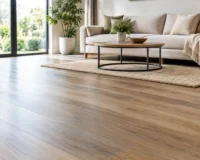
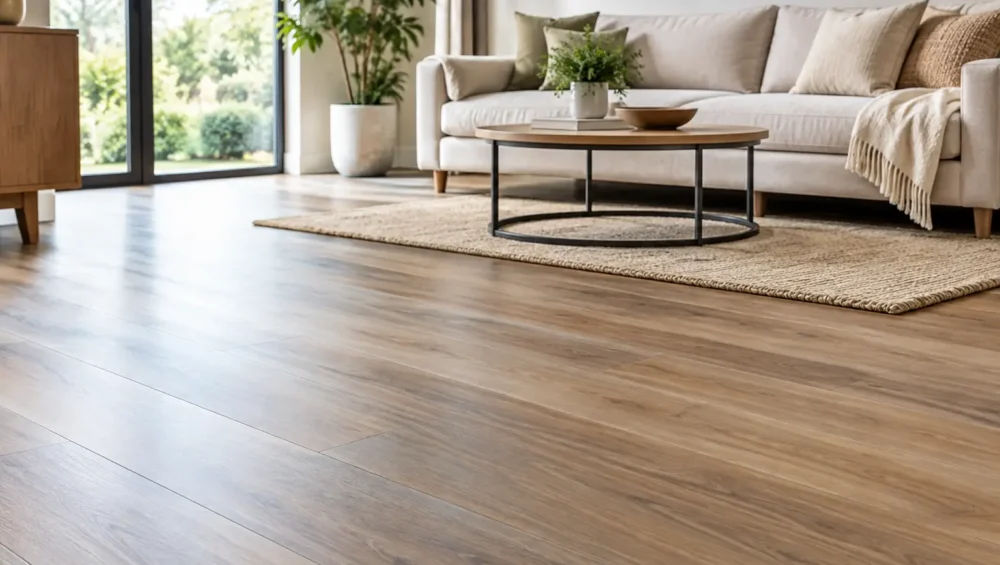
The appeal begins with versatility. Hybrid planks bring the organic grain, tonal variation, and visual scale of timber into spaces where moisture, foot traffic, and easy maintenance need equal consideration. A pale oak look can brighten a compact apartment. A smoked or walnut-inspired tone can give a living room, boutique workspace, or hospitality setting a more grounded, tailored presence.
Unlike a floor chosen only for appearance, hybrid flooring is designed to work across connected interiors. It can create continuity from an entryway through living areas and into a kitchen, reducing visual interruptions and making the overall plan feel more expansive. This is particularly valuable in open-concept homes, where one well-chosen surface helps furniture, lighting, cabinetry, and tile selections feel intentionally connected.
Its performance profile is another reason it has become a preferred option. Many hybrid products are water-resistant, highly scratch-resistant, and built with a stable rigid core. That makes them a practical consideration for family homes, pets, rental properties, and commercial environments with regular pedestrian traffic. Still, water-resistant does not mean every product is suitable for every wet area. Always confirm the manufacturer’s specifications before selecting flooring for bathrooms, laundry rooms, or other moisture-prone spaces.
How hybrid flooring is made
The quality of a hybrid floor is not defined by a timber-look photograph alone. Its layered construction influences how it performs, feels underfoot, and retains its appearance over time.
A protective wear layer
At the surface sits a transparent wear layer designed to help defend the decorative finish from scuffs, marks, and everyday abrasion. Thickness and finish vary by collection, so this is worth considering closely in homes with large dogs, children, rolling office chairs, or high-use entry areas. A matte finish often gives a more convincing timber effect and can make fine dust and minor marks less noticeable than a glossy surface.
A realistic decorative layer
Beneath the wear layer is the visual design. Premium hybrid flooring can capture oak, ash, hickory, and darker timber styles with convincing grain detail, color movement, and natural-looking plank variation. The most successful choices do not try to imitate every knot or board too dramatically. Instead, they establish a balanced rhythm across the room, delivering the warmth of timber without a repetitive or artificial appearance.
A rigid, supportive core
The core gives hybrid flooring much of its dimensional stability and everyday strength. Common constructions include stone polymer composite and wood polymer composite cores. Both can provide a firm platform underfoot, but individual products differ in density, acoustic properties, and installation requirements. The better choice depends on the room, the existing subfloor, and the performance demands of the project rather than the acronym on the label.
Some planks also include an attached backing to help with comfort and sound. This can be useful in apartments and upper-level rooms, although building regulations or body corporate requirements may call for a particular acoustic rating. An attached pad does not eliminate the need to check those requirements before ordering.
Where hybrid flooring performs best
Hybrid flooring is especially compelling in the spaces that carry the rhythm of everyday life. In kitchens, it offers a softer and warmer visual alternative to tile while managing the occasional splash or dropped utensil with confidence. In living and dining rooms, long planks create an elegant base for layered rugs, sculptural furniture, and relaxed entertaining.
Bedrooms benefit from its quieter visual texture and easy upkeep. Choose a warm natural oak for a serene, coastal-luxury mood, or select a deeper timber tone to anchor linen upholstery, brass details, and richly colored textiles. Hallways and entry spaces also suit hybrid well, particularly when a durable, polished surface is needed to transition from outdoors to the main living area.
There are limits to respect. A floor may be water-resistant, but standing water should still be wiped up promptly. For showers, exterior settings, and areas exposed to persistent water, purpose-designed tile and pavers remain the more appropriate surface. Likewise, rooms with intense direct sun may require a product with suitable UV performance and thoughtful window coverings to reduce fading and heat buildup.
Choosing a hybrid flooring look that lasts
Trends matter, but a floor occupies more visual area than almost any other finish in a room. The strongest choice is one that supports the architecture and the way the property will be used for years to come.
Light oak and neutral timber tones are enduring options for modern, Scandinavian-inspired, coastal, and minimalist interiors. They reflect light beautifully and work easily alongside white walls, stone-look tile, and soft neutral upholstery. Mid-tone timbers offer a little more definition and are often forgiving in busy households, where a floor must look composed between cleans.
Dark hybrid flooring can be striking in larger, well-lit spaces. It brings drama and sophistication to contemporary interiors, but it may reveal dust, pet hair, and scratches more readily than a mid-tone plank. Consider the amount of natural light, ceiling height, and maintenance expectations before committing to a deep shade.
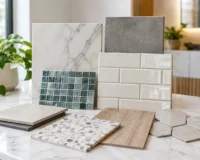
Plank size matters, too. Wide boards can create a generous, luxurious effect, especially in open living spaces. Narrower planks may suit more traditional homes or smaller rooms where a finer scale feels appropriate. Ask to view samples alongside cabinetry, paint, tile, and fabric rather than choosing from a screen alone. A sample lets you see how undertones change from morning to evening and how the texture works with the other materials in the room.
Installation details that protect the finished result
A refined floor begins below the surface. Hybrid flooring is often installed as a floating click-lock system, which can make renovation projects more efficient than fully adhered flooring. However, straightforward installation does not mean preparation is optional.
The subfloor must be clean, dry, level, and structurally sound. Uneven areas can create movement, noise, or stress at the locking joints over time. Moisture testing is essential over concrete, and installers should follow the product’s specifications for vapor barriers, underlayment, expansion gaps, and transitions.
Before installation, confirm four practical details: the condition of the existing subfloor, the floor height at doors and adjacent rooms, underfloor heating compatibility, and the direction in which the planks will run. Running planks toward the main source of natural light often creates a more fluid look, while a deliberate layout can visually lengthen a narrow room.
For substantial projects, experienced installation is a worthwhile investment. It protects the visual finish, supports warranty compliance, and ensures details such as trims, stair nosing, and transitions receive the same attention as the main floor area.
Caring for hybrid floors without overcomplicating it
Daily care is refreshingly simple. Sweep or vacuum with a hard-floor setting to remove grit, then clean with a lightly damp microfiber mop and a manufacturer-approved cleaner when needed. Avoid soaking the floor, abrasive pads, steam mops unless specifically approved, and harsh chemical products that may dull the finish.
Use felt protectors beneath furniture legs and place mats at exterior doors to reduce tracked-in dirt. In dining areas, a protective mat beneath rolling chairs or frequently moved furniture can help preserve the surface. These small measures maintain the composed look that made the floor appealing in the first place.
Is hybrid flooring right for your project?
Hybrid flooring is a strong choice when you want timber-inspired elegance, practical durability, and a low-maintenance finish for connected interior spaces. It is not a substitute for every material: authentic hardwood has unmatched natural character, while porcelain tile remains the specialist for wet areas and exterior performance. Yet for many homes and commercial interiors, hybrid delivers an exceptionally balanced combination of beauty, comfort, and day-to-day resilience.
At Mecca Tiles, a carefully selected sample is the best place to begin. Bring it into the room, place it beside your finishes, and let natural light reveal the tone that will make your space feel complete.