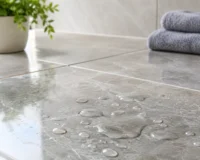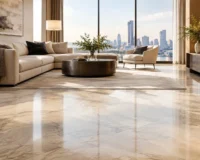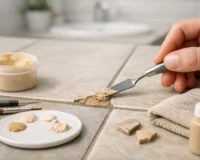
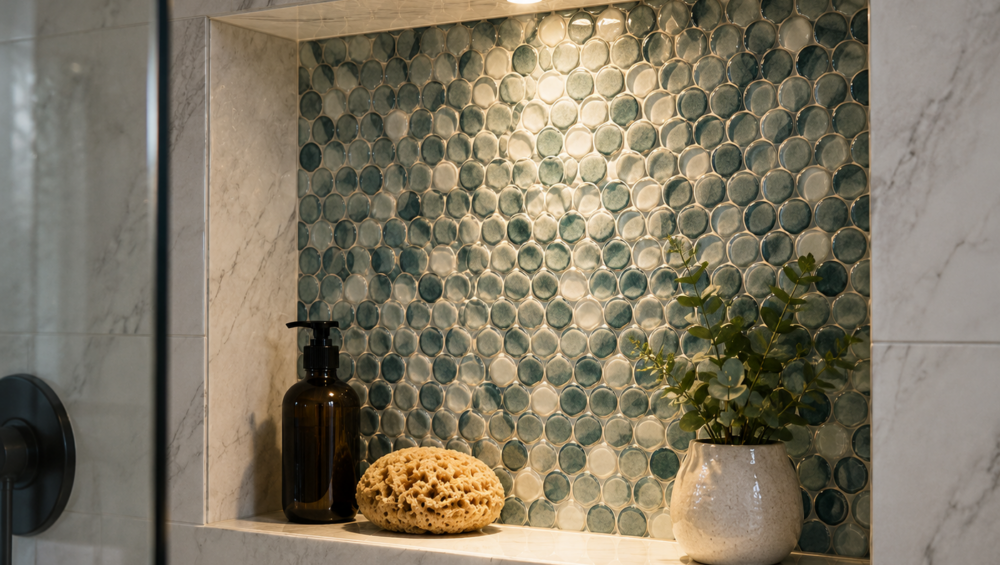
A shower niche is a small detail that carries a surprising amount of visual weight. Done well, it feels integrated, elevated, and intentional. Done poorly, it can interrupt the entire bathroom composition. That is exactly why mosaic tiles for shower niche designs remain such a strong choice – they bring texture, scale, and definition to one of the most visible moments in the shower.
For homeowners, designers, and builders aiming for a premium finish, mosaics offer more than decoration. They solve practical installation challenges inside a compact recessed space while creating contrast or continuity, depending on the look you want. The key is choosing a mosaic that works with the field tile, the niche size, the lighting, and the maintenance expectations of the room.
Why mosaic tiles for shower niche designs work so well
A shower niche has multiple inside corners, narrow returns, and a back panel that is often smaller than a standard tile format. Large-format tiles can work, but they usually require more cuts and more planning to avoid awkward slivers. Mosaic sheets are naturally suited to these dimensions, which makes the installation feel cleaner and more resolved.
There is also a design advantage. Mosaics create a focal point without needing a loud pattern or high-contrast color. Even a quiet matte porcelain mosaic can add depth simply through grout lines and surface rhythm. In a minimalist bathroom, that subtle variation can be enough to make the niche feel custom rather than purely functional.
Mosaics also help define the niche as its own feature. If the rest of the shower uses large porcelain or stone-look tiles, introducing a smaller format inside the recess gives the eye a natural pause. It is a refined way to break up expanses of tile and add a layer of detail associated with higher-end bathrooms.
Choosing the right mosaic tiles for shower niche style
Not every mosaic is right for every niche. The best selection depends on whether you want the niche to disappear into the wall or stand out as a feature.
If the bathroom leans clean and architectural, choose a mosaic in a tone close to the surrounding tile. This keeps the look cohesive while still adding texture. Think soft whites, warm greiges, charcoal tones, or natural stone hues that echo the broader palette. This approach works particularly well in contemporary bathrooms where restraint is part of the luxury.
If the goal is contrast, the niche is a smart place to introduce it. Deep green glass, dramatic marble mosaics, brushed metallic looks, or geometric porcelain patterns can create a more expressive statement without overwhelming the room. Because the niche is compact, you can be bolder here than you might be across an entire shower wall.
Shape matters too. Kit kat mosaics create a linear, elegant effect that feels current and design-led. Penny rounds feel softer and slightly playful, often suiting vintage-inspired or spa-like spaces. Herringbone and chevron mosaics introduce movement, while classic squares deliver a timeless finish. The most successful choice usually reflects the language of the entire bathroom rather than trying to compete with it.
Scale and pattern placement
Smaller does not always mean better. In a very small niche, an extremely busy mosaic can feel visually compressed. If the pattern is intricate, the niche may end up looking cluttered instead of curated. Medium-scale mosaics often strike the best balance, giving enough detail to feel special while still reading clearly from a standing distance.
Pattern direction is another detail worth getting right. Vertical kit kat mosaics can make a niche feel taller. Horizontal layouts can widen the visual line. Herringbone adds energy, but it should align with the room’s overall geometry. These are subtle moves, yet they influence how polished the final result feels.
Material matters in a wet area
A shower niche is exposed to constant moisture, soap residue, and routine cleaning, so material choice should be driven by performance as much as appearance.
Porcelain mosaics are often the most versatile option. They are durable, low maintenance, and available in a wide range of premium finishes, from stone-look neutrals to highly decorative patterns. For many projects, porcelain offers the easiest balance of luxury and practicality.
Ceramic mosaics can also work well, particularly on vertical surfaces where heavy wear is less of a concern. They can deliver beautiful color and finish variation, though the specific product should always be suited to wet-area use.
Natural stone mosaics bring unmistakable richness. Marble, travertine, and other stone surfaces can make a niche feel truly bespoke. The trade-off is maintenance. Stone generally needs more care, and some types are more sensitive to etching, staining, or moisture-related changes over time. For clients who want authentic material depth and are comfortable with upkeep, stone can be worth it. For those prioritizing easy care, porcelain usually wins.
Glass mosaics can create light play and a crisp, luminous finish, especially in smaller or darker showers. They can be striking, but they also show water spots more readily and may not suit every aesthetic. In a highly refined bathroom, they work best when the rest of the palette is controlled.
Grout color can make or break the look
People often focus on the tile and treat grout as an afterthought. In a mosaic niche, grout is part of the design.
A matching grout color creates a quieter, more continuous surface. This is ideal when you want the texture of the mosaic to speak softly and the niche to feel integrated into the wall. Contrasting grout emphasizes the shape of each piece and gives the niche more graphic presence. That can be effective with simple mosaic formats, but if the tile already has strong variation, too much contrast can make the area feel busy.
There is a maintenance angle here as well. Very light grout can brighten the niche, but it may show discoloration more easily. Mid-tone grouts often offer the most forgiving finish in daily use. In premium bathrooms, that balance between aesthetics and longevity is what separates a beautiful selection from a smart one.
Coordinating with the rest of the shower
The niche should feel connected to the entire shower composition. That does not mean everything must match exactly, but it should all speak the same design language.
When the main shower tile is large-format and understated, the niche is an opportunity to introduce a point of detail. If the shower walls already carry movement through veining, texture, or pattern, the niche may be better served by a quieter mosaic that supports rather than competes. A dramatic feature nested inside another dramatic surface can sometimes feel overdesigned.
Trim selection is equally important. Some projects look best with sleek metal edging for a crisp, contemporary finish. Others benefit from mitered edges or stone pencil trims that feel more tailored and traditional. The niche backing tile and the niche frame should be considered together, not as separate decisions.
Light changes everything
Bathroom lighting can shift how mosaic surfaces read. Glossy finishes bounce light and can make the niche feel brighter and more dimensional. Matte finishes feel softer and often more architectural. In showers with limited natural light, a slightly reflective mosaic can help prevent the recess from looking shadowy. In bright bathrooms, matte mosaics can bring a more grounded, sophisticated calm.
This is one reason sampling matters. A mosaic that looks perfect online or in a showroom can appear warmer, cooler, flatter, or more active once placed against your actual wall tile and viewed under your bathroom lighting.
Practical considerations before you buy
A beautiful niche still needs to function. Shelves should be sized for the products people actually use, and the tile should support that utility rather than fight it.
If shampoo bottles, razors, and soap will live there every day, highly textured mosaics may hold more residue and need slightly more regular cleaning. If low maintenance is a priority, smoother porcelain mosaics with quality grout are often the better fit. If the niche is mostly decorative in a guest bath, you may have more freedom to choose a delicate or expressive finish.
It is also worth thinking about shelf lines and cuts. Some mosaics align beautifully across the niche back and sides, while others can become awkward at edges or corners. A professional installer can manage this, but selecting a mosaic with installation logic in mind often leads to a cleaner result and less waste.
For design-led renovations, this is where curated product selection makes a difference. Brands such as Mecca Tiles position mosaic collections not just as surfaces, but as tools for creating a more resolved bathroom – one where style, durability, and purchase confidence all work together.
When to keep it subtle and when to go bold
If the bathroom already has standout stone, sculptural fixtures, or statement lighting, a subtle niche mosaic usually feels more expensive than a flashy one. Luxury often comes from restraint. A tonal mosaic with fine texture can read as highly considered without demanding attention.
If the bathroom palette is calm and minimal, the niche can carry more personality. This is a strong place to use color, gloss, geometric shape, or mixed material looks. The scale is small enough to feel edited rather than excessive.
There is no single right answer here. The best mosaic tiles for shower niche applications are the ones that support the broader vision of the space while still handling the realities of water, cleaning, and long-term use.
A well-chosen mosaic niche does not just hold products. It sharpens the whole bathroom, adding that final layer of detail that makes the space feel finished, elevated, and worth a second look.