A bathroom can look expensive without feeling refined. The difference usually comes down to surfaces. Premium bathroom tiles set the tone immediately – they shape how light moves, how the room feels underfoot, and whether the space reads as considered or simply finished.
For homeowners, renovators, and design professionals, tile is rarely a minor decision. In a bathroom, it covers some of the most visible and hardest-working surfaces in the home. It needs to deliver visual impact, handle moisture, clean well, and hold its appeal long after trends shift. That is exactly why premium tile earns its place. It offers a stronger balance of beauty, performance, and long-term value.
What makes premium bathroom tiles feel different
The word premium gets used loosely, but in tile, it should mean more than a higher price point. Premium bathroom tiles are defined by material quality, finish consistency, design depth, and the ability to elevate a room without compromising practicality.
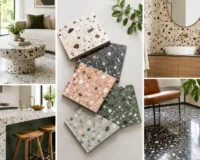
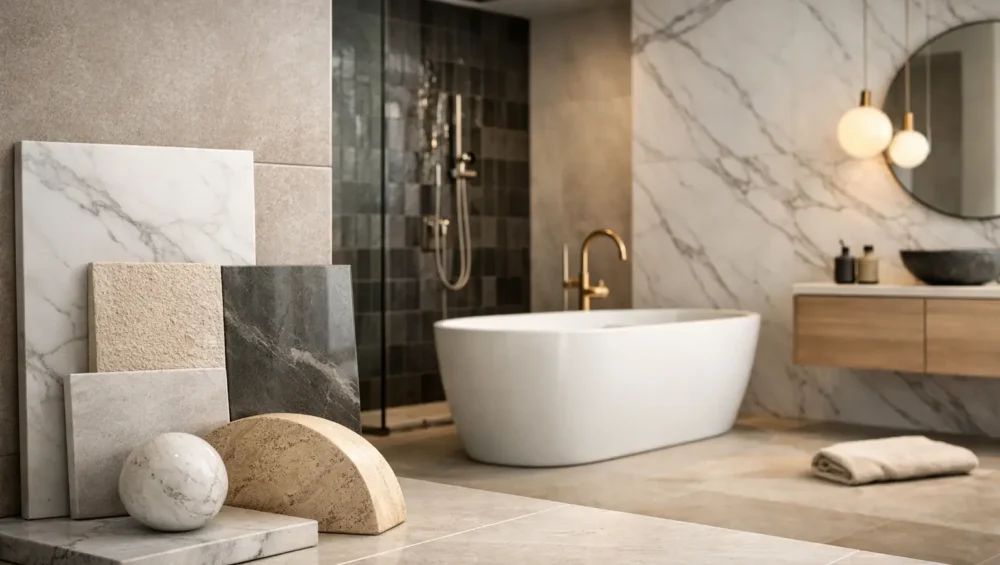
You see it in the surface detail. Porcelain with stone-inspired veining looks more natural and less repetitive. Handmade-look ceramics carry tonal variation that gives walls dimension. Mosaic formats feel precise rather than busy. Natural stone brings authentic movement and texture that mass-market products rarely match.
You also notice it in how the tile performs in the real world. Better manufacturing standards generally mean stronger durability, more reliable sizing, cleaner edges, and better finish retention. Those details matter on installation day, but they matter even more years later when the bathroom is still expected to look polished.
Choosing the right material for a luxury bathroom
Material is where style and function meet. The best choice depends on the look you want, how the bathroom is used, and how much maintenance you are willing to take on.
Porcelain for durability and design range
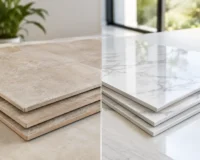
Porcelain is often the first choice for premium bathrooms because it is versatile, dense, and highly durable. It suits floors, walls, wet areas, and even larger-format feature applications. If you want the visual effect of marble, concrete, travertine, or limestone with easier day-to-day care, porcelain is usually the most practical path.
It also works particularly well in busy family homes and commercial bathrooms where performance matters as much as aesthetics. Premium porcelain can deliver a crisp, architectural finish or a softer, more organic look depending on the collection.
Natural stone for character and exclusivity
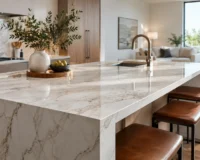
Natural stone brings a level of authenticity that manufactured surfaces are designed to emulate. Marble, travertine, limestone, and slate each carry their own personality, with variation in veining, movement, and tone that makes a bathroom feel custom rather than standardized.
The trade-off is maintenance. Stone generally requires more care and sealing than porcelain, and some varieties are better suited to certain applications than others. For clients who value uniqueness and tactile richness, that extra attention is often part of the appeal.
Ceramic and mosaic for decorative impact
Ceramic wall tiles remain a strong option in premium settings, especially when texture, gloss, handcrafted character, or color are central to the design. They can soften a bathroom, add a subtle artisanal note, or create a feature wall with more personality than a flat neutral tile.
Mosaics are especially effective in showers, niches, and curved or detailed surfaces. They can introduce contrast, pattern, or a jewelry-like finish to the room. Used well, they do not overpower the space – they sharpen it.
Premium bathroom tiles and the role of scale
Scale changes everything in a bathroom. The same color and finish can feel contemporary and expansive in a large format, or intricate and decorative in a smaller tile.
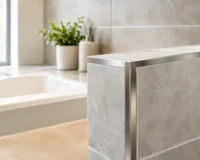
Large-format tiles are popular in premium bathrooms because they create a cleaner visual field. Fewer grout lines mean a calmer, more luxurious look, particularly in modern or minimalist interiors. They are especially effective in bathrooms where you want the walls and floors to feel continuous.
Smaller formats have their place too. Kit Kat mosaics, finger tiles, penny rounds, and stacked subway tiles can add movement and detail that larger tiles cannot. If the room needs texture or a focal point, smaller tile formats often deliver more design energy.
There is no universal winner here. In compact bathrooms, large format can make the room feel more open, but smaller tile can bring charm and character. In larger bathrooms, oversized tiles feel architectural, while mixed formats create layers and definition. The right choice depends on whether you want the tile to recede or speak up.
Finish matters as much as color
Many bathroom tile decisions start with color, but finish often has a stronger effect on the final result. A soft matte surface reads differently from a polished one, even in the same shade.
Matte tiles tend to feel grounded, contemporary, and understated. They work well in spa-like bathrooms and pair beautifully with brushed metal fixtures, timber vanities, and warm stone looks. They are also practical for flooring where slip resistance is part of the brief.
Gloss and polished finishes reflect light and can make smaller bathrooms feel brighter. They suit glamorous interiors, dramatic powder rooms, and spaces where a sharper, more polished aesthetic is desired. The consideration is that shiny finishes can show water marks and residue more readily, so they may require more frequent cleaning to maintain that pristine look.
Textured finishes add another layer. Fluted, ribbed, and tactile tiles are increasingly popular in premium bathrooms because they introduce shadow and depth without relying on bold color or pattern. Used on a feature wall, vanity backdrop, or shower zone, they can make the room feel custom-designed.
How to create a cohesive premium bathroom
A premium bathroom rarely depends on one standout tile alone. What creates the high-end effect is restraint, balance, and thoughtful contrast.
A tonal palette usually has more longevity than a highly fragmented one. Warm whites, layered grays, soft taupes, natural stone tones, and muted earthy shades tend to feel expensive because they allow material quality to lead. That does not mean the bathroom has to be neutral. Deep green, charcoal, clay, and muted blue can all feel elevated when used with control.
Matching every surface is not always the strongest move. Often, the best result comes from combining complementary finishes. A stone-look porcelain floor with a textured ceramic wall tile can feel more sophisticated than using one product everywhere. Likewise, a calm field tile paired with a feature mosaic in the niche or vanity area adds detail without clutter.
Grout color also deserves more attention than it usually gets. Closely matched grout creates a more continuous and refined finish. Contrasting grout can emphasize pattern and geometry, which works well in more graphic or vintage-inspired bathrooms but may not suit every premium scheme.
Practical decisions that protect the look
Luxury should still function well. In bathroom design, that means selecting tiles that suit the exact conditions of the room rather than choosing on appearance alone.
Floor tiles should offer the right slip resistance for wet areas. Wall tiles can prioritize decorative finish because they are not handling foot traffic. Shower floors may need smaller formats to better follow falls and drainage requirements. Steam, cleaning products, family use, and water exposure all affect which material makes the most sense.
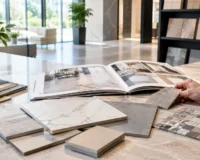
This is where sampling becomes valuable. A tile can look perfect online or in a showroom, then read completely differently under your bathroom lighting or next to your vanity finish. Ordering samples and viewing them in place helps avoid expensive guesswork and gives confidence before installation begins.
For larger projects or more design-led renovations, it is also worth considering how the bathroom tile relates to adjacent spaces. The most polished homes often carry a visual rhythm from room to room. That does not mean every surface should match, but there should be a clear design conversation between them.
Premium bathroom tiles as a long-term investment
Bathrooms are among the most frequently used rooms in a home, and they are closely tied to both everyday comfort and property appeal. Choosing premium bathroom tiles is not simply about aesthetics in the moment. It is a decision that affects durability, maintenance, and the lasting impression of the space.
Well-chosen premium tile can make a renovation feel current for longer because the design is anchored in quality rather than novelty. It also tends to support a stronger overall finish – one that photographs better, ages better, and feels more resolved in person.
At Mecca Tiles, that balance of elevated design and practical selection is what makes the process easier. When the range is curated well, you are not sorting through endless options with uneven quality. You are choosing from surfaces designed to perform beautifully and look exceptional.
The best bathroom tiles do more than cover a wall or floor. They set a mood, define the character of the room, and turn a functional space into one that feels considered every single day.