
A porcelain slab can make a kitchen feel sharper, a bathroom feel calmer, and a commercial space feel far more considered. But knowing how to choose porcelain slabs is rarely just about picking a color you like. Scale, finish, application, edge detail, and installation all shape the final result – and the right choice depends on how the space needs to look, feel, and perform.
Porcelain slabs sit in a premium category for a reason. They offer the visual impact of large-format surfaces with impressive durability, low porosity, and a refined, architectural finish. That makes them a compelling option for homeowners chasing a luxury look, as well as designers, builders, and specifiers who need a material that works hard without sacrificing style.
How to choose porcelain slabs for your space
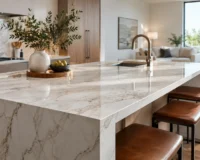
The best starting point is not the slab itself. It is the room, the use case, and the atmosphere you want to create. A dramatic marble-look slab may be perfect for a waterfall island, but that same look can feel too formal in a relaxed outdoor kitchen. Likewise, a soft concrete-inspired surface can bring restraint and sophistication to a bathroom, yet may not deliver enough visual warmth for a residential feature wall.
When you assess porcelain slabs in context, the decision becomes much clearer. Think about where the slab will be used, how much wear it will receive, what kind of maintenance expectations you have, and whether you want the surface to be the hero or the backdrop. Premium surface selection is often about balance, not excess.
Start with application, not appearance
This is where many projects go off track. A slab that looks exceptional in a product image may not be the right fit for a countertop, shower wall, fireplace surround, or exterior cladding. Each application has different technical demands.
For kitchen countertops, stain resistance, heat resistance, and ease of cleaning matter as much as the design. In bathrooms, low porosity and a clean, uninterrupted look often take priority. For walls, weight, slab size, and installation method need closer attention. In commercial settings, you also need to think about traffic, cleaning frequency, and the broader design language of the space.
Porcelain performs well across all of these environments, but not every slab specification suits every purpose. Before falling in love with a finish, confirm that the slab is suitable for the intended installation.
Consider slab thickness carefully
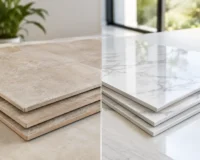
Thickness changes both performance and visual presence. Thinner porcelain slabs can be ideal for wall applications, cabinetry facades, and some renovations where minimizing weight matters. Thicker slabs are often preferred for countertops and surfaces that need a stronger, more substantial profile.
There is also an aesthetic trade-off. A slim slab edge creates a crisp, contemporary look, while a thicker build can feel more grounded and luxurious. Neither is automatically better. It depends on whether your project leans minimalist, sculptural, classic, or bold.
Size, layout, and visual impact
One of the biggest reasons people choose porcelain slabs is scale. Large-format surfaces reduce grout lines and create a cleaner, more expansive look. In smaller rooms, that can make the space feel calmer and more open. In larger rooms, it can add the kind of visual continuity that makes a design feel expensive.
But bigger is not always simpler. Large slabs require thoughtful planning around joins, cutouts, transport, and installation access. A generous slab size may give you a nearly uninterrupted backsplash or shower wall, but only if the dimensions work with the room and the installer can maneuver the material safely.
If the slab has strong veining or movement, layout becomes even more important. Directional patterning can either elevate the space or make it feel visually busy. This is especially true for bookmatched looks, waterfall edges, and feature walls where pattern flow is part of the appeal.
Match the pattern to the room’s scale
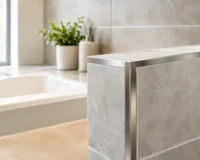
A bold marble look with dramatic veining can be stunning, but in a compact powder room it may overwhelm the space. A quieter limestone or concrete effect often feels more balanced in smaller areas. In open-plan kitchens or commercial interiors, larger patterns can read beautifully because there is enough room for the design to breathe.
This is one of the most overlooked parts of how to choose porcelain slabs. The pattern should suit the size of the room, not just the style brief.
Finish matters more than most people expect
The same porcelain slab can feel completely different in a polished finish than it does in matte or textured. Finish influences appearance, light reflection, slip resistance, and the day-to-day experience of using the surface.
Polished porcelain slabs tend to deliver the most dramatic, high-end look. They reflect light beautifully and amplify marble-inspired designs in particular. That said, they can show smudges more readily, and they are not always the best choice for wet floors or heavily used family zones.
Matte finishes are often easier to live with. They feel contemporary, understated, and sophisticated, with less glare and a softer presence. Textured finishes can bring extra grip and a more tactile character, especially in outdoor or wet-area applications, though they may require a little more attention when cleaning.
The right finish is not only about style. It is about how the surface will be used every day.
Think about light, undertones, and surrounding materials
A slab never exists in isolation. It sits beside cabinetry, paint, flooring, fixtures, and natural light. That is why a sample or slab image viewed on its own can be misleading.
Warm white cabinetry can make a cool gray slab feel bluer than expected. Brushed brass fixtures can bring out beige undertones in a stone-look porcelain. Strong daylight may flatten certain patterns, while softer interior lighting can make them feel richer and more layered.
If your goal is a polished, cohesive finish, undertones matter. Look at the slab with your other selections, not after them. This is especially important in premium spaces, where small shifts in tone can change the overall feel from crisp and tailored to mismatched.
Decide whether the slab is the statement or the support
Some projects need the slab to lead. Think a dramatic island, a full-height fireplace wall, or a reception desk with strong veining and visual movement. Other projects need the slab to support the broader palette quietly, allowing cabinetry, lighting, or furniture to take center stage.
When you know the role of the slab, choosing becomes easier. If everything in the room tries to be the feature, the space can feel unresolved. A more restrained porcelain slab often creates a stronger luxury result than an overly busy one.
Durability, maintenance, and real-world use
Porcelain slabs are favored for their practical performance as much as their design flexibility. They are generally resistant to staining, scratching, moisture, and UV exposure, which makes them well suited to busy residential and commercial settings.
Still, practical selection should be honest. A family kitchen with frequent cooking, kids, and constant traffic may call for a forgiving finish and a pattern that hides daily marks well. A boutique retail space may prioritize visual drama because maintenance protocols are already in place. A luxury bathroom may benefit from a softer, spa-like look with minimal visual noise.
This is where premium design and practicality should meet. The most successful slab choice is not the most expensive or the most eye-catching. It is the one that still looks right after years of use.
Installation is part of the decision
Porcelain slabs demand skilled handling. Their large format is part of the appeal, but it also means fabrication, substrate preparation, edge finishing, and installer expertise matter enormously. A beautiful slab can underperform visually if joins are poorly planned or if the edge detail feels clumsy.
That is why selection should happen with installation in mind. Confirm the slab dimensions, thickness, intended use, and fabrication details early. If there will be cutouts for sinks, cooktops, niches, or fixtures, those need to be factored into the slab layout from the start.
For designers and builders, this step protects the integrity of the concept. For homeowners, it prevents expensive surprises later.
Sample first, then commit
Luxury surfaces deserve a closer look before purchase. Images can help narrow the field, but texture, undertone, scale, and finish are best judged in person. A sample lets you see how the slab behaves under your lighting and against your chosen materials.
At Mecca Tiles, this is part of making premium selection feel more approachable. A well-chosen sample can save time, reduce hesitation, and give you greater confidence before you commit to a full slab order.
If you are deciding between two strong options, bring the choice back to the essentials. Which slab suits the function of the space, complements the rest of the palette, and delivers the kind of presence you want to live with every day? The right porcelain slab should not just look impressive on day one. It should continue to elevate the room long after the project is finished.