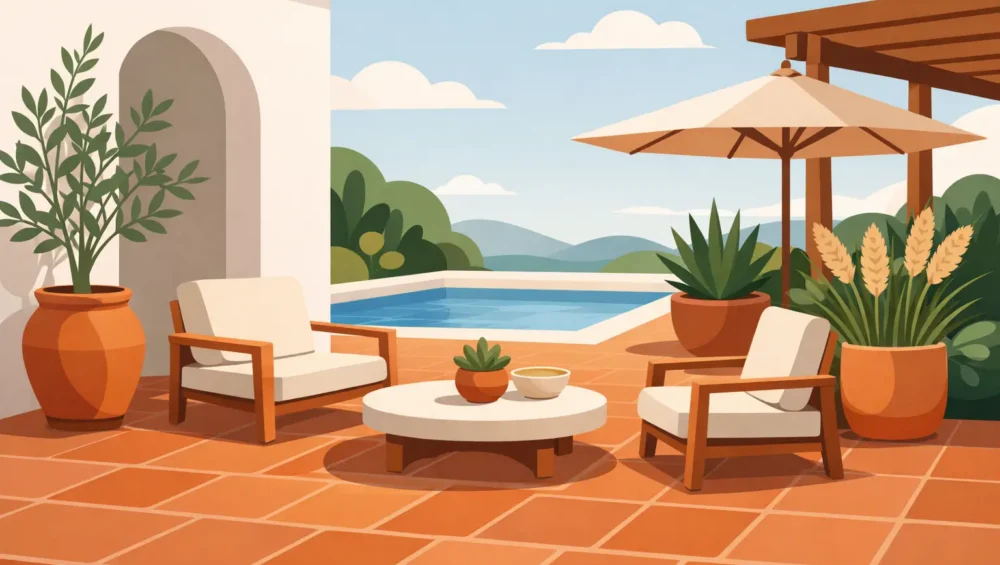
A patio can have all the right furniture and still feel unfinished. Often, the missing layer is underfoot. Terracotta tiles for outdoor spaces bring something many hard surfaces do not – warmth, depth, and an easy architectural character that makes a courtyard, terrace, or poolside area feel considered rather than simply paved.
That appeal is not just aesthetic. Terracotta has a grounded, natural quality that suits everything from Mediterranean-inspired backyards to modern homes that need a softer counterpoint to concrete, glass, and steel. When chosen well, it gives outdoor areas a premium, lived-in look that feels timeless rather than trend-driven.
Why terracotta tiles for outdoor spaces stand out
Terracotta has a distinct visual language. Its earthy red, clay, rust, and sunbaked orange tones create instant warmth, while its surface variation adds movement and authenticity. In outdoor design, that matters. Large exterior areas can quickly feel flat or overly hard, especially when finished in uniform gray or beige materials. Terracotta introduces texture and tonal variation that make a space feel richer.
It also ages with character. Rather than looking clinical, terracotta tends to develop a softer, more natural patina over time. For homeowners and designers chasing an outdoor area with soul, that is part of the attraction.
There is also a practical design reason it remains relevant. Terracotta pairs beautifully with natural stone, timber, limewash-style walls, polished concrete, black steel, and lush planting. Few materials bridge classic and contemporary schemes as easily. It can support a rustic courtyard, a refined resort-style terrace, or a minimalist outdoor kitchen that needs a warmer finish.
Where terracotta works best outdoors
Terracotta is especially effective in spaces designed for atmosphere as much as function. Courtyards are a natural fit because the material amplifies intimacy and enclosure. In a smaller outdoor footprint, the tonal depth of terracotta can make the area feel curated and architectural rather than purely practical.
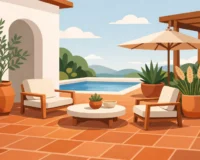
Patios and alfresco dining zones are another strong match. The warmth of the tile complements timber tables, woven seating, soft upholstery, and layered landscaping. If the goal is to create an outdoor room rather than a leftover backyard slab, terracotta does a lot of visual heavy lifting.
It can also work around garden paths, entry sequences, and certain poolside settings, but this is where material selection needs more care. Not every terracotta tile is right for every exposure level. Slip resistance, porosity, sealing requirements, and climate conditions all matter. A beautifully designed space still needs to perform under weather, foot traffic, water, and regular maintenance.
The look: refined, not rustic by default
One of the biggest misconceptions about terracotta is that it only suits traditional or rustic homes. In reality, the finish you choose makes all the difference.
Handmade or hand-finished terracotta has more variation, more movement, and a softer, artisanal presence. This style is ideal for projects that lean Mediterranean, Spanish, farmhouse, or old-world. It creates charm quickly and can make a new build feel more established.
More structured terracotta formats, with cleaner edges and a more consistent finish, can feel surprisingly modern. Paired with restrained landscaping, neutral render, or slimline black detailing, terracotta becomes elegant rather than overtly rustic. The result is warm minimalism – a look that feels elevated, design-led, and highly livable.
Tile size affects this balance too. Smaller formats feel classic and textural. Larger formats tend to read more contemporary and can visually calm a busy outdoor scheme. If you want character without too much visual noise, size and layout deserve as much attention as color.
What to consider before choosing terracotta
Outdoor materials always need to balance beauty with performance. Terracotta is no exception.
The first consideration is porosity. Traditional terracotta is naturally more porous than many porcelain or dense stone alternatives. That means it can absorb moisture if left unsealed or improperly maintained. In dry, covered, or moderately exposed outdoor areas, this may be entirely manageable. In wetter conditions or freeze-thaw climates, the specification needs to be more exact.
The second is slip resistance. Outdoor flooring should feel secure underfoot, especially in areas exposed to rain, pool water, or frequent washing. A matte, textured, or appropriately finished terracotta tile is typically a better choice than a smoother surface in high-moisture settings.
The third is maintenance. Some clients love materials that evolve and wear in naturally. Others want something close to set-and-forget. Terracotta generally asks for more care than ultra-low-maintenance porcelain. Sealing is often recommended, and ongoing maintenance helps preserve both appearance and performance. That does not make it high hassle, but it does mean expectations should be realistic.
This is where premium product selection matters. Not all terracotta is equal in finish quality, density, or suitability for exterior use. For design professionals and homeowners investing in a long-term result, it is worth choosing from a curated range rather than treating terracotta as a generic material category.
Styling terracotta tiles for outdoor spaces
Terracotta is expressive, but it does not need much help. In fact, it often looks best when the surrounding design is disciplined.
For a Mediterranean-inspired setting, pair terracotta with white or warm off-white walls, olive trees, stone planters, and natural linen tones. Brass or aged metal accents can add polish without making the look feel formal. The result is relaxed luxury – sun-washed, textural, and inviting.
For a more contemporary outdoor scheme, contrast terracotta with crisp architecture. Think charcoal joinery, clean-lined furniture, pale masonry, and sculptural greenery. This sharpens the warmth of the clay tones and gives the entire space a tailored, high-end feel.
If the space already has strong visual elements, such as patterned cushions, layered planting, or feature masonry, a quieter terracotta tile may be the better choice. If the architecture is simple and restrained, a more varied handmade finish can add the character the project needs.
Grout color also shapes the final look more than many people expect. A close tonal grout creates a more continuous, premium surface. Higher contrast grout will emphasize each tile and lean more traditional. Neither is wrong, but the effect is very different.
Is terracotta the right choice for your project?
It depends on what matters most to you.
If you want an outdoor surface with warmth, authenticity, and design presence, terracotta is hard to beat. It offers a kind of visual richness that many manufactured materials try to imitate. It can transform a plain exterior into a destination within the home.
If your top priority is the easiest possible maintenance routine, or the outdoor area will face constant water exposure and heavy wear, another surface may be more practical in some cases. Porcelain, for example, often wins on low-maintenance performance. Natural stone may suit projects where a cooler, more restrained palette is preferred. The best choice depends on the site, the style direction, and how the space will actually be used.
That said, for clients who value materiality and atmosphere, terracotta consistently earns its place. It does not just cover the ground. It defines the mood of the space.
How to shop with confidence
When specifying terracotta for an exterior project, seeing the surface in person is invaluable. Tone variation, edge detail, and texture all influence the final result in ways that photography cannot fully capture. Samples help clarify whether the tile suits your architecture, your lighting, and the broader material palette.
It is also worth confirming practical details early – whether the product is rated for outdoor use, what sealing is recommended, and how the finish will respond to your local conditions. These are the decisions that separate a beautiful short-term choice from a lasting one.
At Mecca Tiles, the advantage is not simply access to premium surfaces. It is being able to browse a curated selection with a clear design point of view, compare options with confidence, and move from inspiration to specification without unnecessary complexity.
Terracotta rewards projects that want more than a generic outdoor finish. If you are designing a space meant to feel warm, elevated, and memorable, it is one of the few materials that can make the entire setting feel better before a single piece of furniture is added.