A beautiful floor or wall surface should still look considered after years of wet shoes, dropped cookware, energetic pets, and everyday cleaning. This porcelain tile durability review looks beyond the showroom sample to examine how porcelain performs in real homes and commercial spaces – and where selecting the right finish, rating, and installation matters most.
Porcelain has earned its place among premium surface materials because it combines design flexibility with serious day-to-day resilience. Marble looks, warm timber effects, concrete finishes, bold patterns, and large-format slabs can all be achieved in a material built for demanding spaces. But porcelain is not automatically the right tile for every application. Its long-term performance depends on the product specification and how well it suits the room.
What Makes Porcelain Tile So Durable?
Porcelain is a type of ceramic tile made from refined clay, minerals, and feldspar, then fired at exceptionally high temperatures. That firing process creates a dense, hard body with very low water absorption. In practical terms, it makes porcelain far less vulnerable to moisture, staining, and ordinary wear than many other flooring materials.
A quality porcelain tile is generally resistant to scratching, fading, and cracking under normal use. It does not swell when exposed to humidity like some timber products, and it does not require sealing in the way natural stone often does. For busy kitchens, bathrooms, laundries, entryways, and open-plan living areas, that low-maintenance strength is a compelling advantage.
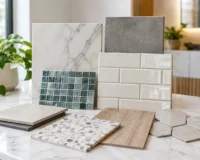
The visual layer is equally important. Through-body porcelain carries its color and pattern throughout the tile body, so a small chip is less obvious. Glazed porcelain has a decorative surface layer that expands the design possibilities dramatically, from glossy white wall tile to convincing travertine-look flooring. A high-quality glaze is highly durable, but in hard-working floor areas, it is wise to check the product’s wear rating rather than choosing on appearance alone.
Porcelain Tile Durability Review by Performance Factor
Scratch and abrasion resistance
Porcelain handles everyday abrasion exceptionally well, particularly in matte, textured, and through-body finishes. It is a smart choice for households with children or pets, as well as retail, hospitality, and office settings where foot traffic is constant.
For floors, ask about the PEI rating, which measures the wear resistance of glazed tile. Lower ratings may suit decorative walls and lightly used residential bathrooms, while higher-rated tiles are designed for active household floors and commercial environments. An entryway used by a family of five needs a more durable specification than a powder room wall, even if both spaces share the same color palette.
No tile is completely immune to damage. Dragging metal furniture, grit trapped beneath outdoor shoes, or dropping a heavy cast-iron pan can mark or chip a surface. Porcelain’s advantage is that these incidents are uncommon, and the tile will not show the gradual scuffing common with softer flooring.
Water and stain resistance
Porcelain’s low porosity is one of its strongest credentials. When installed and grouted correctly, it is well suited to splash-prone and wet areas, including showers, bathroom floors, kitchen backsplashes, laundries, and pool surrounds. Spills such as coffee, red wine, cooking oil, and cosmetics are generally easy to clean before they leave a mark.
This does not mean every porcelain tile can go everywhere without consideration. Outdoor areas require tiles rated for exterior conditions, with a slip-resistant finish and suitability for the local climate. Shower floors need adequate grip and carefully planned drainage. Large-format polished porcelain may be striking in a formal living room but can be too slippery for an exposed patio or a frequently wet bathroom floor.
Grout deserves attention, too. The tile itself may resist stains beautifully, while cement-based grout can absorb dirt and discolor over time. Selecting a high-quality grout, using a suitable sealer where recommended, and cleaning spills promptly protects the polished look of the entire installation.
Heat, sunlight, and temperature changes
Porcelain performs confidently around heat. It is an excellent choice for kitchen floors near cooking zones, fireplace surrounds when installed to the appliance manufacturer’s requirements, and sunlit interiors. Unlike some vinyl or laminate products, porcelain is not prone to fading or warping from ordinary solar exposure.
For outdoor projects, look beyond the label of “porcelain” and confirm the tile is designed for exterior use. A properly specified porcelain paver can create a refined, low-maintenance terrace, pathway, or poolside setting. In freeze-thaw climates, low water absorption helps reduce the risk of moisture entering the tile and causing damage as temperatures shift. Correct substrate preparation and movement joints remain essential, especially across large outdoor expanses.
Impact resistance and cracking
Porcelain is hard, but hardness is not the same as being indestructible. A tile can crack when a heavy object hits it at the wrong angle, or when the floor beneath it moves, flexes, or settles. Most cracked tile problems are installation problems rather than a failure of the porcelain itself.
A stable subfloor, suitable adhesive coverage, correctly placed expansion joints, and experienced installation are central to durability. Large-format porcelain, in particular, demands precision. Its clean, luxurious scale can make rooms feel expansive, but the larger the tile, the less forgiving the installation process becomes.
If a single tile is damaged, replacement is possible when spare material has been retained. Ordering 10 to 15 percent extra at the start of a project is a practical safeguard, particularly for distinctive collections or vein-matched designs that may vary between production runs.
Where Porcelain Performs Best
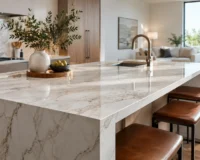
Porcelain is one of the few materials that can carry a cohesive design language through nearly every room. A warm limestone-look porcelain can run from an entry hall into a kitchen and living zone, then continue outdoors in a coordinating grip finish. A marble-look collection can bring a calm, high-end effect to bathroom walls without the maintenance demands of natural marble.
In kitchens, porcelain flooring stands up to dropped utensils, spills, and frequent cleaning. On walls, it creates an easy-care backsplash with a more elevated finish than painted drywall. In bathrooms, its moisture resistance supports a refined, practical scheme, whether the vision is spa-like minimalism or richly patterned character.
Commercial settings benefit from porcelain’s resilience as well. Cafes, boutiques, offices, apartment lobbies, and hospitality spaces need surfaces that maintain their appearance under repeated cleaning and sustained traffic. The specification should account for the expected use, including slip resistance, loading, cleaning chemicals, and the need for replacement stock.
The Trade-Offs Worth Considering
Porcelain’s strength comes with a few practical compromises. It is harder and cooler underfoot than carpet, cork, or timber, which can make living spaces feel less cozy without rugs or radiant floor heating. It can also be unforgiving if glassware falls, and installation costs may be higher than simpler floating-floor options.
Texture is another balance between beauty and performance. Polished porcelain reflects light and creates a sophisticated, expansive effect, but it may show water spots and be less appropriate in wet zones. Highly textured finishes deliver greater grip outdoors and in bathrooms, although they can hold more grime than a smooth surface. The ideal selection is not the most durable tile in isolation. It is the tile that balances durability, safety, maintenance, and visual intent for the room.
Color and pattern influence how well a floor conceals daily life. Very dark polished tiles can reveal dust, while ultra-light grout around a busy kitchen floor may show staining sooner. Mid-tone stone looks, subtle movement, and larger formats with fewer grout lines are often forgiving choices for active households.
How to Choose a Porcelain Tile That Lasts
Start with the space, not the sample. Consider whether the tile is for a decorative wall, a family bathroom, an outdoor entertaining area, or a high-traffic commercial floor. Then assess the finish, wear rating, slip resistance, tile thickness, and installation requirements.
Ordering samples is particularly valuable for premium porcelain. View them in the room at different times of day, place them beside cabinetry or paint, and test how the finish feels underfoot. A tile that appears soft and matte under showroom lighting may read differently in direct morning sun or beside warm timber joinery.
It also helps to think several years ahead. Choose a surface you will enjoy maintaining, rather than one that asks you to work around it. Mecca Tiles’ curated porcelain collections make it easier to pair this practical thinking with a design-led finish, whether the project calls for understated stone, bold pattern, or a continuous indoor-outdoor surface.
Porcelain rewards thoughtful specification. Choose a tile built for the way the space will be used, invest in skilled installation, and keep a few spare pieces. The result is not simply a floor or wall that survives daily life, but a surface that continues to make the room feel beautifully resolved long after the project is complete.